Witheringia solanacea Care

Witheringia solanacea

About Witheringia solanacea

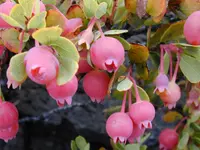
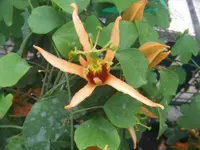
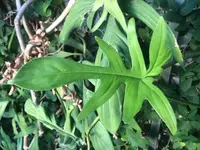
Witheringia solanacea is a small shrub or subshrub in the nightshade family, usually with thin, branching stems and simple, medium-green leaves. It produces small, star-shaped flowers that are often followed by round berries, giving it a delicate, ornamental look rather than a bold display.

This species is native to tropical regions of the Americas, where it typically grows in understory or edge habitats with filtered light and consistent moisture. It is not a common houseplant, but its moderate growth rate and tolerance of partial shade can suit patient growers who want to learn how to care for Witheringia solanacea. It generally prefers well-drained, humus-rich soil and protection from temperature extremes.

Main Plant Requirements

Care Difficulty

Moderate Care

Light Preference

Partial Shade

Water Requirements

Moderate Water

Temperature Preference

Tropical / Frost Sensitive

Hardiness Zone

10–11

Soil Texture

Loamy, Sandy, Organic-rich

Soil pH

Acidic (5.5–6.5), Slightly acidic (6.5–7.0)

Soil Drainage

Moist but well-drained

Fertilization

Light (every 4–6 weeks)

Get Personalized Care Plan

Scan your plant to receive care tips personalized for your specific plant

Available on iOS and Android

How to Care for the Witheringia solanacea

This shrub prefers bright, gentle light similar to a light woodland edge.

  • Provide 3–5 hours of soft morning sun with bright, filtered light the rest of the day; avoid harsh afternoon sun in hot summers to prevent leaf scorch.
  • Plant Witheringia solanacea in a spot with dappled or partial shade, especially in warmer zones, as it tolerates lower light better than intense full sun.
  • In winter, ensure access to as much indirect light as possible, since very deep shade leads to leggy, weak growth and poor flowering.

This species prefers evenly moist, well-drained soil without long dry or waterlogged periods.

  • Water when the top 3–5 cm of soil feels dry, allowing moisture to reach the full root zone but not leaving puddles around the plant.
  • Use soil rich in organic matter with good drainage; persistent wetness, sour smell, yellowing leaves, and soft stems indicate overwatering and risk of root rot.
  • In cooler months, reduce frequency as growth slows; dull, drooping leaves and dry, crumbly soil signal the plant needs a thorough soak.

This plant thrives in mild, frost-free conditions with stable warmth through the growing season.

  • Aim for 65–80°F (18–27°C) for active growth, as sustained warmth supports steady foliage and flowering development.
  • Protect it from cold; growth slows below 55°F (13°C) and tissue damage occurs around 32°F (0°C), so avoid any frost exposure.
  • In hotter climates, brief peaks up to 90°F (32°C) are tolerated if soil moisture is stable and the plant receives partial shade to limit heat stress.

This species prefers moderately humid air but tolerates typical indoor levels if not extremely dry.

  • Aim for 40–60% humidity, as Witheringia solanacea may show stress in very dry, heated rooms.
  • Watch for crisp leaf edges, curling, and slow growth as signs of low humidity stress.
  • Increase humidity with a nearby humidifier, grouped plants, or a pebble tray, rather than misting directly onto foliage.

This plant performs best in loose, fertile, well-draining soil that still retains some moisture.

  • Use a loamy mix made from roughly 2 parts peat or coco coir, 1 part compost, and 1 part perlite or coarse sand for structure.
  • Ensure rapid drainage so water runs through within seconds, avoiding heavy clay or compacted garden soil that holds standing water.
  • Keep soil slightly acidic to neutral, around pH 6.0–7.0, which supports nutrient availability and balanced root function.
  • Improve aeration by mixing in chunky materials like pine bark fines, which create air spaces and reduce the risk of root rot.

This species adapts well to container growing when given stable moisture and space for root development.

  • Choose a pot slightly deeper than wide to accommodate its root system and reduce tipping in windy sites.
  • Select a heavier material such as ceramic if grown tall, as added weight improves stability for the leafy canopy.
  • Raise the pot on feet or bricks so drainage holes stay clear and excess water can escape quickly after irrigation.

Nutrient-rich but well-drained soil is usually enough for Witheringia solanacea, yet light feeding supports steady growth in containers or poor soils.

  • Use a balanced NPK fertilizer at 1/4–1/2 strength every 4–6 weeks during the warm growing season.
  • Incorporate a thin layer of mature compost or a mild slow-release fertilizer at the start of the season.
  • Always water before and after feeding to reduce root burn risk and improve nutrient uptake.
  • Stop or greatly reduce fertilization in late fall and winter when growth slows.

Pruning is mainly used to maintain shape and remove weak growth rather than to control size strongly in Witheringia solanacea.

  • Carry out light pruning in late winter or early spring before strong new growth starts.
  • Remove dead, diseased, or crossing stems first, then thin crowded interior branches for better airflow.
  • Shorten overly long shoots to maintain a balanced framework and encourage bushier growth.
  • Use sharp, clean hand pruners and make angled cuts just above a healthy outward-facing bud.

This species is more often grown in the ground, but container plants benefit from periodic repotting to maintain root health.

  • Check for roots circling the pot, pushing through drainage holes, or noticeably slowed growth as signals to repot.
  • Plan repotting or transplanting in spring, every 2–3 years for containers, when active growth supports recovery.
  • Step up only 1 pot size with fresh, free-draining mix to limit waterlogging and encourage new root growth.
  • Handle the root ball gently, loosen only the outer roots, water thoroughly after potting, and shade for several days to reduce stress.

This shrub is most often propagated by semi-ripe cuttings and seeds under warm, stable conditions.

  • Take semi-ripe stem cuttings in late spring or summer, 8–10 cm long, with 2–3 leaf nodes.
  • Dip the cut base in rooting hormone and place in a moist, free-draining medium under high humidity and bright, indirect light.
  • Sow fresh seeds in a light seed mix, barely covered, kept at 70–75°F with consistently moist but not waterlogged conditions.
  • Provide bottom heat if possible and good air circulation to limit fungal problems during rooting or germination.

In mild climates this plant needs only modest winter attention, but it is sensitive to hard frost in colder regions.

  • In-ground plants in cool areas benefit from 5–8 cm of organic mulch around the root zone, kept away from stems.
  • Where freezes occur, cover young plants with breathable fabric during cold nights to reduce tissue damage.
  • Move container specimens indoors or into a frost-free, bright shelter before temperatures fall near freezing.

Care Tips

Provide light staking

Install a slim bamboo stake or discreet shrub ring early in the season so the flexible stems can be loosely tied and supported as they elongate, which keeps fruiting branches upright and reduces breakage in wind or heavy rain.

Use mulch strategically

Apply a 3–5 cm layer of fine bark or leaf mold around the root zone, keeping it a few cm away from the stem, to moderate soil temperature, reduce weed competition, and maintain a more even moisture profile for this shallow-rooted species.

Encourage branching

Pinch or lightly tip-prune the soft ends of young shoots once they reach 15–20 cm to stimulate lateral branching, which results in a fuller shrub with more flowering and fruiting points.

Monitor for sap-suckers

Inspect the undersides of leaves and young stems every 1–2 weeks during warm weather for aphids and whiteflies, and wash them off with a firm water spray or use insecticidal soap at first signs to prevent sooty mold and leaf distortion when caring for Witheringia solanacea.

Protect from root disturbance

Avoid deep cultivation around the plant and instead pull or cut weeds by hand, because disturbance of the fine feeder roots can slow growth and reduce flowering in the current season.

Common Pests and Diseases

Whiteflies

These insects are small, white, flying sap-suckers that often build up on the undersides of tender leaves, especially in sheltered or shaded sites. Symptoms include sticky honeydew, sooty mold growth, and gradual yellowing or decline of foliage.

Solution

Shake foliage to check for adults flying up, then reduce populations by spraying the undersides of leaves with a firm stream of water and removing heavily infested leaves. For ongoing control, use horticultural soap or lightweight horticultural oil every 7–10 days, and reduce excess nitrogen fertilization that promotes soft, susceptible growth when caring for Witheringia solanacea.

Spider mites

These pests are tiny, often reddish or yellowish, and thrive on thin, tender foliage in warm, dry conditions, causing stippling and a dull, dusty look. Symptoms include very fine webbing between leaves and stems and gradual leaf drop when populations are high.

Solution

Increase humidity around the plant, then wash both sides of leaves with lukewarm water or a mild soap solution to dislodge mites. In persistent cases, apply horticultural oil or insecticidal soap to all leaf surfaces, repeating at 5–7 day intervals while improving air movement and avoiding hot, dry microclimates.

Leaf spot

This disease causes small, dark, often irregular spots on the leaves that may expand, merge, and lead to premature leaf drop, especially in dense, shaded plantings. Symptoms include lesions with yellow halos and a patchy, thinned canopy.

Solution

Promptly remove and discard affected leaves, including fallen material, to reduce the source of spores. Improve air circulation by thinning crowded stems, water at soil level rather than overhead, and if humid conditions persist, apply a copper-based or biofungicide labeled for ornamental solanaceous plants according to the label directions.

Powdery mildew

This disease appears as a white to gray, powdery coating on the upper leaf surfaces, young stems, and sometimes flower parts in shaded, stagnant air conditions. Symptoms include distorted new growth and a gradual loss of vigor if infection is heavy.

Solution

Increase light and airflow around the plant, avoiding crowding and overhead watering in the evening. Remove heavily infected leaves and, if needed, use a sulfur-based or potassium bicarbonate fungicide labeled for ornamentals, applied as a light, even coating to both sides of the foliage.

Aphids

These insects are soft-bodied and cluster on shoot tips and young leaves, feeding on sap and excreting sticky honeydew that can attract sooty mold. Symptoms include curled or distorted new growth and stunted shoots on actively growing plants.

Solution

Pinch or prune off heavily infested soft tips, then rinse remaining colonies from stems and leaf undersides with water. For continued suppression, apply insecticidal soap or neem oil thoroughly to all infested areas every 5–7 days until new growth emerges clean, and encourage natural enemies by avoiding broad-spectrum insecticides nearby.

Interesting Facts

Shade-tolerant understory shrub

This species naturally grows as an understory shrub or small tree in humid forests from Mexico to South America, where it thrives in dappled shade rather than direct sun.

Nightshade family flowers

It belongs to the Solanaceae (nightshade) family and produces small, tubular white to pale green flowers that are pollinated by insects, reflecting its close relationship to plants like Solanum and Cestrum.

Berry-forming fruiting habit

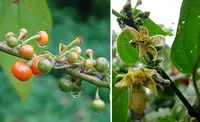
After flowering, it develops small, colorful berries that are eaten by birds, which then disperse the seeds and help maintain populations across its native range.

FAQs about Witheringia solanacea

This species can be grown indoors if it receives bright, indirect light, consistently warm temperatures, and moderate humidity. Witheringia solanacea indoor care also requires a well-draining potting mix and enough space for its shrubby, branching habit.

Grow Healthy Plants with Botan Care

Keep your plants happy and healthy with plant identification, disease detection, and easy care guidance.

Botan plant care app — identify plants on mobile

Explore More Plants