Medinilla formosana Care

Medinilla formosana

About Medinilla formosana

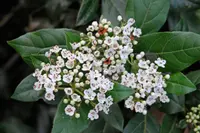
Medinilla formosana is an evergreen shrub from warm, humid forests in Taiwan and nearby East Asian regions. It is mainly grown for its decorative foliage and clusters of small flowers. The plant typically has upright, branching stems with thick, leathery leaves and pendant flower clusters that give a tropical look, even in container culture. It prefers sheltered, bright conditions and steady moisture, so it is often grown indoors or in greenhouses in cooler climates. Understanding how to care for Medinilla formosana helps keep it healthy, as it dislikes drying out completely or sitting in heavy, waterlogged soil.

Main Plant Requirements

Care Difficulty

Moderate Care

Light Preference

Bright Indirect Light

Water Requirements

Keep Soil Moist

Temperature Preference

Tropical / Frost Sensitive

Hardiness Zone

10–11

Soil Texture

Loamy, Peaty, Organic-rich

Soil pH

Acidic (5.5–6.5)

Soil Drainage

Moist but well-drained

Fertilization

Light (every 4–6 weeks)

Get Personalized Care Plan

Scan your plant to receive care tips personalized for your specific plant

Available on iOS and Android

How to Care for the Medinilla formosana

This shrub prefers bright, gentle light that mimics a forest edge or understory.

  • Provide 3–5 hours of soft morning sun with bright, filtered light the rest of the day; avoid harsh midday and late afternoon sun that can scorch leaves.
  • Grow Medinilla formosana in light dappled shade outdoors, such as under high tree canopies, where it receives broken sunlight but is protected from extremes.
  • In summer, increase shade if leaves fade, curl, or show dry brown patches; in winter, allow more direct morning sun to compensate for shorter days.

This plant prefers evenly moist but not saturated soil, with brief drying at the surface between waterings.

  • Water thoroughly when the top 2–4 cm of soil feels dry, allowing excess to drain completely so roots sit in moist, not waterlogged, conditions.
  • Reduce frequency in cooler months when growth slows, but do not let the root zone dry out fully; soil should feel slightly damp below the surface.
  • Watch leaves for signals: yellowing, soft leaves and a sour soil smell suggest overwatering, while limp, thin, or crispy leaf edges point to underwatering.

This species favors warm, stable conditions similar to a subtropical understory.

  • Aim for 65–80°F (18–27°C) for active growth, with the most consistent performance near 70–75°F (21–24°C) and moderate humidity.
  • Protect the plant from cold; growth slows below about 60°F (16°C) and tissue damage can occur below 45–50°F (7–10°C), especially with wind or wet soil.
  • Avoid exposing it to hot, dry conditions above 90°F (32°C); provide shade and airflow during heat waves to prevent leaf scorch and bud drop.

This species prefers moderately high humidity to maintain healthy foliage and flowering.

  • Aim for 50–70% humidity, as very dry indoor air leads to dull, slow-growing leaves.
  • Crisp leaf edges, limp buds, and stalled flower spikes often indicate humidity stress.
  • Use a pebble tray, group plants, or run a nearby humidifier rather than misting heavily, which can encourage leaf spots.

Medinilla formosana benefits from a loose, airy, organic-rich mix that drains quickly yet holds some moisture.

  • Use a mix of 40% peat or coco coir, 30% fine bark, and 30% perlite or pumice for structure and drainage.
  • Keep pH slightly acidic to neutral, around 5.8–6.8, to support nutrient uptake and root health.
  • Ensure water runs freely through the pot; soggy, compacted, or heavy clay-based substrates quickly cause root problems.
  • Improve aeration by adding extra bark or perlite if water lingers on the surface or the pot feels heavy for several days.

This species is well suited to container growing when the pot supports its woody stems and moisture needs.

  • Choose a wide, weighty pot to prevent tipping as the plant develops tall, branching stems and hanging flower clusters.
  • Select a container material that moderates moisture, such as thick plastic or glazed clay, to avoid rapid drying between waterings.
  • Keep the root zone shallow to medium deep, as overly deep pots hold excess moisture in the lower third and increase rot risk.

This shrub benefits from light, consistent feeding during active growth to support foliage and flowering.

  • Use a balanced liquid fertilizer (such as 10-10-10) diluted to 1/2 strength every 4–6 weeks in spring and summer.
  • Alternatively, apply a light top-dressing of fine compost or a low-dose slow-release fertilizer at the start of spring.
  • Skip feeding in late fall and winter, since Medinilla formosana slows growth and excess nutrients may cause root stress.
  • Always water before applying fertilizer and avoid contact with dry roots to reduce burn risk.

Thoughtful pruning keeps Medinilla formosana compact, encourages branching, and maintains flowering performance.

  • Prune just after main flowering in late spring or early summer, when new growth is starting.
  • Remove dead, diseased, or damaged stems first, then thin crowded interior branches for better light and airflow.
  • Shorten overly long shoots by up to 1/3, cutting back to a node to shape the plant and promote bushier growth.
  • Use clean, sharp scissors or bypass pruners, disinfecting blades between plants to limit disease spread.

Container-grown plants appreciate occasional repotting to refresh the substrate and prevent root congestion.

  • Check for roots circling the pot, growing through drainage holes, or slowed top growth as signs a move is needed.
  • Plan to repot every 2–3 years in late winter or early spring, just before strong new growth begins.
  • Choose a pot 2–3 cm wider with free-draining, slightly acidic mix, handling the root ball gently to limit disturbance.
  • Loosen only the outer roots, water thoroughly after potting, and keep in bright, indirect light for 1–2 weeks to reduce stress.

This species is most often propagated from semi-ripe stem cuttings under warm, humid conditions.

  • Take 8–10 cm semi-ripe cuttings in late spring or early summer from non-flowering shoots with several nodes.
  • Remove lower leaves, optionally dip the cut end in rooting hormone, and insert into a sterile, well-drained mix.
  • Maintain 70–80°F warmth, bright but indirect light, and high humidity using a clear cover with small vents.
  • Keep the medium just moist, then pot rooted cuttings individually once new growth appears and resistance is felt when gently tugged.

This subtropical shrub is not frost hardy and needs protection from freezing conditions in most regions.

  • For container plants, move indoors or to a greenhouse before temperatures drop near 40°F.
  • Provide bright, indirect light and keep indoor temperatures around 60–70°F with slightly reduced watering.
  • In mild climates, use a 5–8 cm mulch layer around the root zone to buffer soil temperature and moisture.
  • Avoid cold drafts and sudden temperature swings, which can cause leaf drop and stress.

Care Tips

Support Heavy Stems

Install a discreet hoop or stake before flower clusters form so you can loosely tie stems with soft ties and prevent snapping under the weight of maturing inflorescences.

Rotate For Even Bloom

Turn the pot 90° every 1–2 weeks during active growth so flower buds develop evenly and the plant does not lean strongly toward one light source.

Cooler Night Period

Provide a slight night drop to around 60–65°F in late winter to early spring to encourage reliable bud initiation without exposing the plant to drafts or sudden temperature shocks.

Use Pebble Trays Wisely

Place the pot on a wide pebble tray with water kept below pot base level to boost local humidity around the foliage while keeping the root zone aerated and avoiding waterlogging.

Prevent Bud Drop

Once buds appear, avoid repotting, large moves, and sudden changes in light or watering, since stable conditions significantly reduce bud drop when growing Medinilla formosana.

Common Pests and Diseases

Mealybugs

This pest appears as white, cottony clusters in leaf axils, along stems, and sometimes on roots, often causing yellowing and reduced vigor.

Solution

Isolate the plant, then dab visible insects with cotton swabs dipped in 70% isopropyl alcohol and gently wipe affected areas; repeat weekly until no new pests appear, and improve air movement and avoid excess nitrogen fertilization to reduce reinfestation when caring for Medinilla formosana.

Scale insects

These insects form small, rounded or oval brown bumps on stems and leaf undersides and feed on sap, leading to sticky honeydew and sooty mold on the foliage.

Solution

Manually scrape or rub off adults with a soft cloth or fingernail, then treat remaining juveniles with repeated applications of insecticidal soap or horticultural oil, ensuring good coverage of stems and leaf undersides while keeping the plant out of direct sun until foliage dries.

Spider mites

This pest causes fine stippling, dulling of leaves, and in heavier infestations, fine webbing between leaves and stems, especially in warm, dry indoor air.

Solution

Rinse foliage thoroughly with lukewarm water, including the undersides of leaves, then apply insecticidal soap or horticultural oil on a 7–10 day schedule and raise humidity slightly while avoiding overcrowding to lower stress on the plant.

Leaf spot

This disease produces dark, water-soaked or tan lesions on leaves that may enlarge, merge, and cause premature leaf drop under consistently wet foliage conditions.

Solution

Remove and discard affected leaves, improve air circulation, and water at the soil level so leaves dry quickly; if new spots keep appearing, use a labeled copper or chlorothalonil fungicide according to directions, treating both upper and lower leaf surfaces.

Botrytis blight

This disease shows as gray, fuzzy mold on spent flowers, damaged tissue, and sometimes leaves, especially in cool, humid, low-airflow conditions.

Solution

Promptly remove faded blooms and any soft, decaying tissue, increase airflow and reduce overhead misting, and in persistent cases apply a suitable ornamental fungicide while keeping the plant in a drier, well-ventilated location during treatment.

Interesting Facts

Endemic mountain shrub

This species is naturally restricted to mid‑ to high‑elevation forests of Taiwan, where it grows as a woody shrub on shaded slopes and ridges rather than as a typical lowland tropical plant.

Nectar‑rich bird flowers

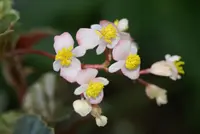
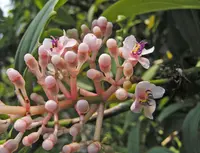
Its nodding clusters of pale pink to white flowers produce abundant nectar and are visited by local nectar‑feeding birds in its native range, which act as important pollinators.

Segmented berry fruits

After flowering, it forms decorative purple berries arranged in tight clusters along the flower stalks, with each berry containing several small seeds that are dispersed by frugivorous birds.

Botan icon

Did you know?

In Taiwan this species is sometimes described as an indicator of relatively undisturbed montane broadleaf forest, since it tends to be more frequent in cooler, moist, semi‑natural habitats than in heavily disturbed lowland sites.

FAQs about Medinilla formosana

This species performs best in warm, humid, frost-free outdoor conditions such as tropical or subtropical gardens. In cooler climates, it is usually grown in containers and kept indoors or in a greenhouse to maintain stable warmth and humidity.

Grow Healthy Plants with Botan Care

Keep your plants happy and healthy with plant identification, disease detection, and easy care guidance.

Botan plant care app — identify plants on mobile

Explore More Plants