Elephant's Foot Plant Care (Pachypodium rosulatum)

Elephant's Foot Plant

About Elephant's Foot Plant

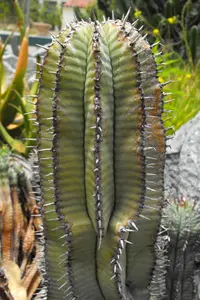
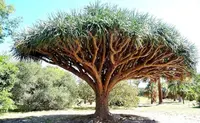
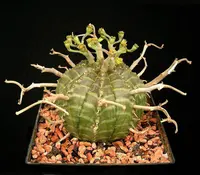
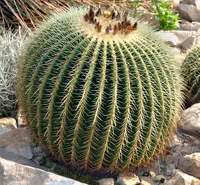
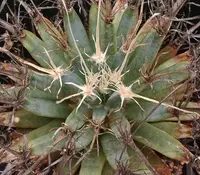
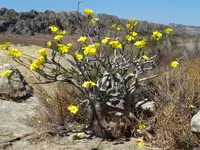
Pachypodium rosulatum, often called elephant's foot plant, is a caudiciform succulent shrub with a swollen, woody base and spiny, branching stems. It forms rosettes of narrow, glossy leaves and can produce bright yellow, funnel-shaped flowers.

This species is native to rocky, dry habitats in Madagascar, where it stores water in its enlarged base to survive long droughts. Its slow growth, seasonal leaf drop, and sensitivity to cold make it slightly more demanding than typical house succulents.

Those who care for Elephant's Foot Plant should provide strong light, very well-drained gritty soil, and careful watering to avoid rot while respecting its natural dry rest period.

Main Plant Requirements

Care Difficulty

Moderate Care

Light Preference

Full Sun

Water Requirements

Low Water

Temperature Preference

Tropical / Frost Sensitive

Hardiness Zone

10–11

Soil Texture

Sandy, Loamy, Rocky

Soil pH

Acidic (5.5–6.5), Slightly acidic (6.5–7.0)

Soil Drainage

Well-drained

Fertilization

Minimal (feed rarely)

Get Personalized Care Plan

Scan your plant to receive care tips personalized for your specific plant

Available on iOS and Android

How to Care for the Elephant's Foot Plant

This species prefers strong light and benefits from several hours of direct sun each day.

  • Provide 4–6 hours of direct morning sun, with bright, filtered light or light shade during intense afternoon hours, especially in hot summers.
  • Outdoors, place Elephant's Foot Plant in an open, unshaded spot in mild climates; in hotter regions, give midday protection to prevent leaf scorch and caudex sunburn.
  • In winter, maximize light by using the brightest window or site available; weak, stretched growth and small leaves indicate insufficient light.

Watering for this succulent shrub should follow a soak-and-dry pattern adjusted to season and growth stage.

  • During active growth in spring–summer, water only when the top 3–5 cm of soil are completely dry, then irrigate thoroughly and let excess drain away.
  • Use a very fast-draining, gritty mix; soft, yellowing leaves, blackened base, or a mushy caudex indicate overwatering and poor drainage.
  • In fall–winter, especially if growth slows or leaves drop, reduce watering sharply and allow the soil to stay dry for longer; wrinkling of the caudex signals it is time to water Pachypodium rosulatum.

This plant prefers warm, stable conditions and reacts poorly to cold and sudden temperature swings.

  • Aim for 70–85°F (21–29°C) during the growing season for strong, compact growth; short spikes up to 95°F (35°C) are tolerated if soil is well-drained and not waterlogged.
  • Protect from cold; growth slows below 60°F (16°C) and prolonged exposure under 50°F (10°C) can cause damage, especially in wet soil.
  • Keep it completely frost-free, never allowing temperatures near 32°F (0°C); in cooler regions, move plants to a sheltered location before nights drop below 45°F (7°C).

This species handles typical indoor humidity and does not need extra moisture in the air.

  • Target 30–50% humidity, similar to most heated or air‑conditioned homes.
  • Elephant's Foot Plant tolerates very dry air; leaf tip browning usually indicates underwatering or heat, not low humidity.
  • If air is extremely dry and hot, move the plant away from vents and drafts rather than adding humidifiers.

This plant requires a very fast-draining, mineral-rich, sandy substrate to protect its caudex from rot.

  • Use a gritty cactus mix with at least 50–70% inorganic particles such as pumice, coarse sand, and small gravel.
  • Keep organic content low; add only a small amount of fine bark or compost to hold nutrients without staying wet.
  • Ensure the mix is loose and airy so water runs through in seconds and roots receive constant oxygen.
  • Aim for slightly acidic to neutral pH around 6.0–7.0, and avoid dense, peat-heavy or clay-based substrates that compact.

This species is well suited to container growing due to its slow growth and compact caudex.

  • Choose a wide, shallow pot to accommodate the spreading caudex and keep the plant stable as the stem elongates.
  • Select a heavy clay or ceramic container so the plant does not tip over as the upper stem and branches gain weight.
  • Use a pot with multiple drainage holes so excess water escapes rapidly and the lower caudex never sits in a wet zone.

This succulent needs modest feeding to support its caudex and seasonal growth.

  • Use a balanced liquid cactus fertilizer (around 10-10-10) diluted to 25–50% strength.
  • Feed every 4–6 weeks during active spring–summer growth for healthy Elephant's Foot Plant indoor care.
  • Avoid compost-heavy mixes; they stay too wet and can rot the caudex and roots.
  • Stop feeding in fall–winter dormancy, when light and water are reduced.

Pruning Pachypodium rosulatum is minimal and mainly focused on health and safety.

  • Carry out any pruning in late spring, after new growth begins.
  • Remove dead, damaged, or crossing branches using clean, sharp pruners.
  • Limit cuts to small tips; shaping is subtle and helps maintain a balanced crown.
  • Wear gloves and avoid skin contact with sap, which can be irritating.

Repotting is infrequent and should be done carefully to protect the swollen caudex and brittle roots.

  • Repot every 3–4 years or when roots circle the pot, growth slows, or soil compacts.
  • Choose late spring, just before strong growth, for least stress.
  • Move to a slightly wider, heavy pot with very sharp-draining cactus mix.
  • Gently loosen roots, keep the caudex high, water lightly once, then let soil dry well between waterings.

Propagation is usually done from seed and is considered slow and somewhat challenging.

  • Sow fresh seeds in late spring in a sterile, gritty cactus mix.
  • Maintain 75–85°F, bright light, and lightly moist, never wet, substrate for germination.
  • Cover seeds very shallowly and provide gentle bottom warmth if possible.
  • Keep seedlings in small pots with excellent drainage to avoid damping-off and root rot.

This species is not frost hardy and requires controlled, dry, cool conditions in winter.

  • Move containers indoors before temperatures drop below 45°F.
  • Provide bright light and keep room temperatures around 55–65°F during dormancy.
  • Reduce watering sharply; keep soil almost dry to prevent root and caudex rot.
  • Ensure good air circulation and avoid cold drafts directly on the plant.

Care Tips

Winter rest period

From late fall to early spring, keep the plant much drier and slightly cooler to allow a clear dormancy, which reduces rot risk and supports stronger new growth in the next season.

Caudex rot check

When repotting or if the caudex looks discolored, gently expose and inspect the base for soft or dark tissue, trimming only clearly rotten parts with a sterile blade and dusting cuts with dry sulfur or cinnamon before replanting in fresh dry mix.

Targeted branch training

Rotate the pot 1–2 times per month in the growing season and lightly prune only overly tall, bare stems to encourage a more compact, multi-branched form rather than a single stretched trunk.

Safe handling routine

Because of sharp spines, always handle the plant with thick gloves or a folded towel and move it by holding the pot rim, which prevents accidental damage to both skin and branches.

Gradual light shifts

When moving the plant between indoor lights and strong outdoor sun, increase light levels over 7–10 days by stepping it closer to the window or sun exposure every few days to prevent sunburn on the caudex and leaves while growing Elephant's Foot Plant.

Common Pests and Diseases

Mealybugs

These insects hide in leaf bases and along the swollen stem, feeding on sap and causing yellowing, distortion, and sticky honeydew. Symptoms include cottony white clusters that can stunt growth if not controlled.

Solution

Isolate the plant, then dab visible mealybugs with cotton swabs dipped in 70% isopropyl alcohol and gently wipe leaf bases and spines. For heavier infestations, use repeated applications of an insecticidal soap or neem oil spray, making sure the plant dries quickly and receives bright light to avoid prolonged leaf wetness.

Spider mites

These pests favor dry indoor conditions and can cause pale stippling on leaves, bronzing, and fine webbing between leaf rosettes. Symptoms include dull, dusty-looking foliage and slow decline of new growth.

Solution

Rinse the entire plant thoroughly with lukewarm water, focusing on the underside of leaves and tight rosettes, then allow it to dry in bright, airy conditions. Follow with several treatments of insecticidal soap or horticultural oil at 5–7 day intervals, while slightly increasing ambient humidity and reducing heat stress to discourage reinfestation.

Scale insects

These insects attach firmly to the caudex and stems as small, brown or tan bumps, sucking sap and weakening the plant over time. Symptoms include sticky honeydew, sooty mold on nearby surfaces, and slow, uneven growth.

Solution

Manually remove individual scales with a cotton swab or soft brush dipped in 70% isopropyl alcohol, taking care around spines and new shoots. After mechanical removal, treat remaining nymphs with a light horticultural oil spray, repeat after 7–10 days, and avoid overfertilizing, which can encourage rapid, soft growth that is more susceptible to attack.

Fusarium stem canker

This disease can enter through wounds on the caudex or stem, leading to sunken, discolored patches that may crack or ooze. Symptoms include localized softening of tissue and eventual collapse of affected areas if moisture is high and airflow is poor.

Solution

Cut out all visibly affected tissue with a sterile blade, allow the wound to dry and callus in a warm, dry, bright location, and discard all infected material. Reduce watering, improve air circulation, and in humid climates consider a targeted fungicide labeled for Fusarium on ornamentals applied carefully to wounded or previously affected areas.

Cercospora leaf spot

This disease produces small, dark, often circular spots on leaves that can merge into larger patches, sometimes with a pale or yellow halo. Symptoms include premature leaf drop, especially on plants kept in cool, humid, or poorly ventilated spaces.

Solution

Remove and discard all affected leaves to reduce spore load, then keep foliage dry by watering only at the soil level and ensuring good airflow around the rosette. For recurring issues, move the plant to a brighter, warmer spot and consider applying a preventive copper-based or chlorothalonil fungicide according to label directions, which supports consistent Pachypodium rosulatum plant care in humid regions.

Interesting Facts

Madagascar granite specialist

This species is native to Madagascar’s central and southern highlands, where it grows in shallow pockets of gritty soil on exposed granite or gneiss outcrops, tolerating intense sun and large daily temperature swings.

Seasonal leaf rosette

It produces a tight rosette of narrow leaves only in the warm rainy season, then drops most or all leaves in the dry season while the caudex stores enough water and nutrients to survive dormancy.

Spiny pollinator landing pads

The short, stout spines are modified leaf bases that help protect the swollen stem and may guide or support visiting insects as they approach the yellow, tubular flowers for pollination.

Botan icon

Did you know?

In habitat, this species often grows wedged into rock crevices on steep, sun-baked slopes, forming natural bonsai-like clusters that can live for many decades despite having only a few centimeters of soil around their roots.

FAQs about Elephant's Foot Plant

Lack of flowering usually comes from insufficient light, cool temperatures during the growing season, or inadequate winter rest. Mature plants bloom more reliably when kept bright, slightly root-bound, and given a cooler, drier winter dormancy period.

Grow Healthy Plants with Botan Care

Keep your plants happy and healthy with plant identification, disease detection, and easy care guidance.

Botan plant care app — identify plants on mobile

Explore More Plants