


Stem pinching routine
Pinch back the soft tips of actively growing stems every 3–4 weeks to keep plants dense, encourage branching, and maintain richer purple coloration along the whole plant.

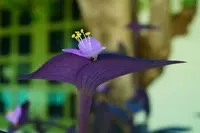
Purple heart, Tradescantia pallida 'Purpurea', is a trailing perennial often grown as a houseplant or warm-climate groundcover. It is valued for its deep purple leaves and small pink flowers that appear along the stems. This plant forms dense, cascading mats, making it suitable for hanging baskets, containers, and edging. It originates from northeastern Mexico, where it grows in warm, bright conditions. Tradescantia pallida 'Purpurea' is generally fast-growing and forgiving, which makes it accessible for beginners who want to learn how to care for Purple Heart. It prefers bright light, modest but regular moisture, and well-drained soil for best color and growth.

Care Difficulty
Easy Care

Light Preference
Partial Sun

Water Requirements
Moderate Water

Temperature Preference
Tropical / Frost Sensitive

Hardiness Zone
8–11

Soil Texture
Sandy, Loamy, Organic-rich

Soil pH
Acidic (5.5–6.5), Slightly acidic (6.5–7.0)

Soil Drainage
Well-drained

Fertilization
Light (every 4–6 weeks)
Scan your plant to receive care tips personalized for your specific plant
Available on iOS and Android
This plant develops its best purple color in strong, indirect light with some direct sun exposure.
This species prefers evenly moist but never soggy soil.
This plant thrives in warm, frost-free conditions with moderate seasonal variation.
This species prefers moderately humid air but copes fairly well with typical indoor levels.
This plant grows best in light, fast-draining, organic-rich soil that does not stay wet for long.
This species is very suitable for container growing, especially for trailing or edging displays.
This plant responds well to light, consistent feeding during active growth for strong color and trailing stems.
Thoughtful pruning keeps Tradescantia pallida 'Purpurea' dense, colorful, and within bounds.
This species adapts well to containers and benefits from periodic repotting to refresh soil and manage vigor.
New plants are most commonly produced from stem cuttings, which root fast under warm, bright conditions.
Cold sensitivity means plants in cool climates need basic winter management, especially in containers.

Plant Health Check
Not sure what's wrong with your plant? Check your plant's health inside the app.
The intense purple color of the leaves comes from high concentrations of anthocyanins, pigments that can help protect the plant’s tissues from strong light and UV radiation while still allowing photosynthesis to occur.
This plant readily forms adventitious roots along its creeping stems whenever they touch a suitable substrate, an efficient strategy that allows it to spread quickly and stabilize soil on embankments and in containers.
Its small, three-petaled pink flowers typically open in the morning and close by early afternoon, and each individual flower lasts only about a day even though the plant may produce flowers over a long warm season.

In frost-free climates, this species can naturalize and form dense groundcover mats, and in some regions such as parts of Australia it is classified as an environmental weed because those mats can outcompete native low-growing vegetation.
Brown leaf edges usually result from low humidity, excess fertilizer salts, or irregular watering. Flush the soil, remove damaged leaves, and maintain steadier moisture. Very strong direct sun or cold drafts can also scorch tissues and cause browning.
Keep your plants happy and healthy with plant identification, disease detection, and easy care guidance.

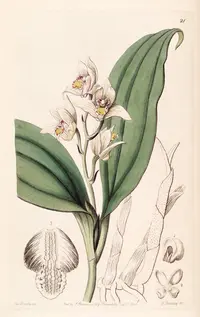
Eria coronaria
Eria coronaria
 POPULAR
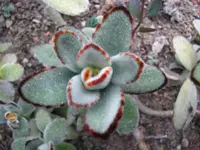
Panda Plant
Kalanchoe tomentosa
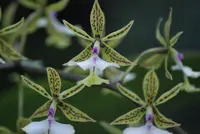
Stamford's Epidendrum
Epidendrum stamfordianum
Griffith Humata
Davallia griffithiana
Chrysothemis friedrichsthaliana
Chrysothemis friedrichsthaliana
Creeping Cradle Plant
Cyanotis axillaris
Tillandsia pseudobaileyi
Tillandsia pseudobaileyi
silvery stelis
Stelis argentata