Pilea rotundinucula Care

Pilea rotundinucula

About Pilea rotundinucula

Pilea rotundinucula is a small, creeping houseplant valued for its dense mats of tiny, rounded green leaves. It forms a low, trailing carpet that suits tabletops, shelves, and terrariums.

This species comes from subtropical and tropical regions of Asia, where it grows in moist, shaded habitats. Its compact growth and fine foliage give it a delicate look, but it is fairly forgiving once settled.

Understanding how to care for Pilea rotundinucula mainly involves providing bright, indirect light, consistent but moderate moisture, and a well-drained, airy potting mix. These traits make it suitable for beginners who are comfortable monitoring soil moisture and avoiding waterlogged conditions.

Main Plant Requirements

Care Difficulty

Moderate Care

Light Preference

Bright Indirect Light

Water Requirements

Moderate Water

Temperature Preference

Tropical / Frost Sensitive

Hardiness Zone

10–12

Soil Texture

Loamy, Sandy, Organic-rich

Soil pH

Acidic (5.5–6.5), Slightly acidic (6.5–7.0)

Soil Drainage

Moist but well-drained

Fertilization

Light (every 4–6 weeks)

Get Personalized Care Plan

Scan your plant to receive care tips personalized for your specific plant

Available on iOS and Android

How to Care for the Pilea rotundinucula

This small creeping plant prefers bright, gentle light to keep its leaves compact and evenly colored.

  • Provide 4–6 hours of bright, indirect light each day; soft morning sun with light afternoon shade suits Pilea rotundinucula well.
  • Protect from harsh midday sun, which can cause leaf scorch, pale patches, and dry, crispy edges, especially in hot summers.
  • In low-light spots, growth becomes sparse and stems stretch; move closer to a bright window or use filtered light in winter when natural light is weaker.

This species prefers lightly moist but never soggy soil, with short dry periods between waterings.

  • Water when the top 2–3 cm of soil feels dry; in active growth this may mean every few days, but always confirm by touch rather than following a fixed schedule.
  • Use a sharply draining mix and ensure excess water runs freely away; drooping, yellowing lower leaves and a musty smell indicate overwatering and possible root rot.
  • Slight leaf curl, loss of turgor, and very light pot weight signal underwatering; water thoroughly, then reduce frequency in cooler months when growth slows.

This plant favors mild, frost-free conditions and reacts quickly to temperature extremes.

  • Aim for 65–80°F (18–27°C) for steady growth; short dips to 60°F (16°C) are usually tolerated without damage.
  • Avoid temperatures below 50°F (10°C); near-freezing exposure can cause blackened, mushy foliage and permanent root damage, especially in wet soil.
  • In hot spells above 85°F (29°C), increase airflow, shade from direct afternoon sun, and monitor soil moisture closely to prevent heat stress and leaf scorch.

This species grows best in moderately humid air but adapts to typical indoor conditions.

  • Aim for 40–60% humidity to keep foliage dense and minimize leaf-edge browning.
  • It tolerates short dry spells indoors, but very dry air can cause curling, crisp tips, and slower growth.
  • Increase humidity with a nearby pebble tray or grouping plants together rather than misting leaves frequently.

Use a loose, airy mix that drains quickly yet holds some moisture around the roots.

  • Choose a peat- or coco coir-based mix with added perlite and fine bark for a light, slightly springy texture.
  • Ensure fast drainage so water does not sit around the roots; a mix that feels heavy or stays wet for days is unsuitable.
  • Aim for slightly acidic to neutral pH, roughly 6.0–7.0, which suits most commercial houseplant or succulent mixes.
  • For Pilea rotundinucula, improve aeration by blending 30–40% perlite or pumice into an all-purpose potting mix and avoid dense garden soil.

This compact species is well suited to container growing.

  • Select a shallow to medium-depth pot that matches its relatively fine root system to prevent unused, soggy lower soil.
  • Use a container material that matches your watering style, such as terracotta for faster drying or plastic to retain moisture slightly longer.
  • Place the pot where any spreading stems can trail over the rim without being crushed or blocking airflow around the foliage.

This plant benefits from light, consistent feeding during its active season to support compact growth.

  • Use a balanced liquid fertilizer (around 10-10-10 or 20-20-20) diluted to 1/4–1/2 strength for Pilea rotundinucula.
  • Feed every 4–6 weeks in spring and summer when growth is active.
  • Skip or reduce feeding to 1 very light application in fall; do not fertilize in midwinter.
  • Flush the pot with plain water every few months to prevent salt buildup from fertilizer.

Thoughtful pruning keeps this plant dense and prevents stems from becoming leggy.

  • Best time to prune Pilea rotundinucula is in spring or early summer, when growth is strongest.
  • Remove dead, yellowing, or damaged leaves with clean, sharp scissors or small pruners.
  • Pinch or cut back longer, straggly stems just above a leaf node to encourage branching.
  • Disinfect tools before and after use to limit disease spread and reduce tissue damage.

Container-grown plants appreciate periodic repotting to refresh soil and support healthy roots.

  • Check for roots circling the pot, growing out of drainage holes, or unexplained slow growth as signs Pilea rotundinucula needs repotting.
  • Plan to repot every 1–2 years in spring, stepping up only 2–3 cm in pot diameter.
  • Use a well-drained mix with added perlite or fine bark, and gently loosen circling roots without tearing heavily.
  • Water thoroughly after repotting, then keep the plant in bright, indirect light and slightly reduced watering for 1–2 weeks to limit stress.

This species is commonly multiplied from stem cuttings, which root reliably under the right conditions.

  • Take 5–8 cm non-flowering stem cuttings from healthy Pilea rotundinucula in spring or early summer.
  • Remove lower leaves and insert the cut end into moist, well-drained mix or water, keeping at 70–75°F.
  • Provide bright, indirect light and high humidity (50–70%) to encourage root formation.
  • After roots reach 2–3 cm, pot cuttings gently into small containers and resume normal care.

This plant is frost sensitive and needs protection in regions with cold winters.

  • Move outdoor containers of Pilea rotundinucula indoors before temperatures drop below 50°F.
  • Grow indoors in bright, indirect light at 60–75°F, away from drafts and cold windows.
  • Reduce watering in winter, keeping the soil slightly drier while avoiding complete dryness.
  • Avoid feeding in winter and resume normal care once days lengthen and growth restarts.

Care Tips

Control mat spread

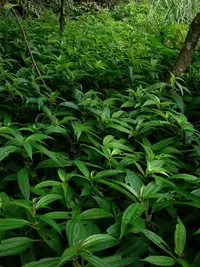
Regularly trim back outer runners with clean scissors to keep the plant in a compact mat and to prevent it from overtaking neighboring plants or potmates.

Use shallow containers

Plant it in wide, shallow pots to encourage lateral spread of stems and roots, which creates a denser groundcover effect and reduces the risk of soggy soil pockets.

Divide for renewal

Every 1–2 years, lift and gently split the mat into several sections, discarding any brown, woody centers and replanting only vigorous green pieces to keep the colony young and dense.

Edge containment barrier

In outdoor beds, sink a plastic or metal edging strip 5–8 cm deep around the planting area to keep stems from escaping into paths or lawns while still allowing good surface spread inside the bed.

Check under foliage

During routine inspections, gently lift the low foliage to look for fungus gnats, aphids, or rot at the stem bases, since caring for Pilea rotundinucula is easier when problems are caught early in these hidden areas.

Common Pests and Diseases

Spider mites

This pest often appears on Pilea grown in warm, dry indoor air, causing tiny pale speckles on leaves and fine webbing between stems and foliage.

Solution

Rinse foliage thoroughly under a gentle shower or sink spray, then repeat every few days and increase humidity around the plant; if needed, apply insecticidal soap or a neem oil spray to both upper and lower leaf surfaces, repeating weekly until new growth is clean.

Fungus gnats

These insects thrive in the consistently moist, fine-textured potting mixes often used for this species, with adults hovering over the soil and larvae feeding on organic matter and fine roots.

Solution

Allow the top 2–3 cm of soil to dry between waterings, use yellow sticky traps for adults, and if infestation persists, drench the soil with a biological control such as Bacillus thuringiensis israelensis (BTI) according to label directions.

Bacterial leaf spot

This disease can occur when foliage stays wet and air circulation is poor, leading to water-soaked translucent spots that turn brown and may merge along leaf edges.

Solution

Remove and discard affected leaves, avoid overhead watering, improve airflow around the plant, and keep foliage dry; in severe or persistent cases, dispose of heavily affected plants to prevent spread to nearby Pilea rotundinucula specimens.

Oedema

Symptoms include small, corky, blister-like bumps on the lower leaf surfaces, often following periods of overwatering or sudden changes in light and moisture conditions.

Solution

Reduce watering frequency so the top layer of soil dries slightly between waterings, improve light to a bright, indirect level, and maintain stable temperatures to prevent further cell damage; new leaves typically emerge normal once conditions are corrected.

Interesting Facts

Chinese riverbank origin

This species is naturally found along moist, rocky stream banks and shaded slopes in parts of China, where it forms low mats in crevices and thin soils rather than deep forest leaf litter.

Miniature creeping habit

Unlike its upright relatives, this plant has a strongly creeping, mat-forming growth pattern with tiny round leaves that root at nodes, allowing it to slowly carpet surfaces and trail over edges.

Cool-tolerant tropical species

Although it is a tropical plant, it tolerates cooler conditions than many other Pilea species, which helps explain its use as a compact foliage accent in temperate indoor collections and in mild outdoor climates.

FAQs about Pilea rotundinucula

This species stays compact and easier to manage indoors, where temperature and moisture are stable. Outdoors, it needs frost-free, sheltered, humid conditions. In most climates, Pilea rotundinucula indoor care offers the most reliable, attractive growth.

Grow Healthy Plants with Botan Care

Keep your plants happy and healthy with plant identification, disease detection, and easy care guidance.

Botan plant care app — identify plants on mobile

Explore More Plants