Harvesting Strategy
Harvest leaves and tender stems by pinching only the upper third of each shoot, rotating around the plant so it can regrow evenly and maintain a compact, leafy form.

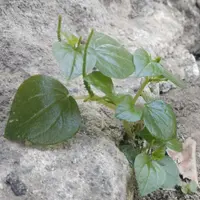
Man to man, botanically known as Peperomia pellucida, is a small, soft-stemmed herb often grown as an indoor ornamental or in herb gardens. It has glossy, heart-shaped leaves on fleshy stems and usually forms a low, compact mat. In the wild it occurs in tropical regions of the Americas and Asia, often appearing in shaded, moist spots such as garden edges, walls, and pathways. Its rapid growth and self-seeding habit make it easy to establish where conditions are suitable. This species prefers bright, indirect light, evenly moist but not waterlogged soil, and good air movement. These traits make basic how to care for man to man relatively straightforward for beginners.

Care Difficulty
Easy Care

Light Preference
Partial Shade

Water Requirements
Moderate Water

Temperature Preference
Tropical / Frost Sensitive

Hardiness Zone
11–12

Soil Texture
Loamy, Silty, Organic-rich

Soil pH
Acidic (5.5–6.5), Slightly acidic (6.5–7.0)

Soil Drainage
Moist but well-drained

Fertilization
Minimal (feed rarely)
Scan your plant to receive care tips personalized for your specific plant
Available on iOS and Android
Peperomia pellucida grows best in bright, indirect light with gentle sun exposure.
Peperomia pellucida prefers lightly moist, not soggy, soil and reacts quickly to excess water.
Stable, warm conditions support compact growth and healthy leaves for this species.
Peperomia pellucida prefers moderately humid air but usually adapts well indoors.
Use a loose, airy medium that drains quickly yet holds some moisture.
This species is well suited to shallow containers and small pots.
Peperomia pellucida is a light feeder that benefits from modest, diluted nutrition during active growth when caring for man to man.
Light pruning keeps Peperomia pellucida compact and encourages fresh foliage.
This shallow-rooted plant prefers snug containers and only needs infrequent repotting.
Peperomia pellucida is commonly multiplied from soft cuttings and sometimes from seed.
This tropical species is frost-tender and needs mild conditions in winter.

Plant Health Check
Not sure what's wrong with your plant? Check your plant's health inside the app.
The leaves are thin and slightly translucent, allowing light to pass through the tissues, which helps this small herb photosynthesize efficiently on shaded, low-light forest floors.
This species often behaves as a short-lived annual in the wild, quickly germinating, flowering, and setting seed in moist disturbed soils such as garden beds, pathways, and shaded rock crevices.
In several tropical regions, the fresh leaves and stems are used as a mild, peppery-flavored garnish or pot herb, reflecting its long history as a minor leafy vegetable in traditional cuisines.

In tropical urban areas, this plant frequently colonizes damp cracks in concrete, walls, and rooftops, acting as a spontaneous green cover that can appear and disappear within a single rainy season as its tiny seeds exploit even very small pockets of retained moisture and organic dust.
This species is commonly eaten in parts of Asia and Latin America. The leaves and tender stems are used raw in salads or lightly cooked. Only harvest from clean, chemical‑free areas to avoid contamination from pesticides or polluted soil.
Keep your plants happy and healthy with plant identification, disease detection, and easy care guidance.