blister vetch Care (Vicia ervilia)

Also known as: Ervil
blister vetch

About blister vetch

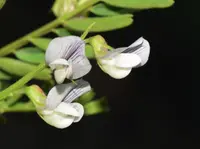
Blister vetch (Vicia ervilia) is an annual legume traditionally grown as a fodder and cover crop rather than a decorative garden plant. It forms low, branching plants with fine, pinnate leaves and small pea-like flowers that develop into short pods with hard seeds.

This species is native to the Mediterranean region and western Asia, where it thrives in dry, sunny fields and poor, stony soils. It is valued for its drought tolerance and ability to fix nitrogen, which can improve soil fertility.

Blister vetch is generally easy to grow in full sun and well-drained soil, but it is more suitable for agricultural or restoration settings than for small containers. It helps to understand how to care for blister vetch before planting large areas.

Main Plant Requirements

Care Difficulty

Easy Care

Light Preference

Full Sun

Water Requirements

Moderate Water

Temperature Preference

Cool Climate

Hardiness Zone

6–9

Soil Texture

Sandy, Loamy, Clay

Soil pH

Slightly acidic (6.5–7.0), Slightly alkaline (7.0–7.5)

Soil Drainage

Well-drained

Fertilization

Minimal (feed rarely)

Get Personalized Care Plan

Scan your plant to receive care tips personalized for your specific plant

Available on iOS and Android

How to Care for the blister vetch

Vicia ervilia prefers open, bright field conditions with steady direct sun for strong growth.

  • Aim for 6–8 hours of direct sunlight daily; full sun from morning to mid-afternoon supports compact plants and good flowering.
  • It tolerates light partial shade, especially in hot regions, but dense shade reduces flowering and seed set and leads to weaker, elongated growth.
  • In very hot summers, avoid harsh late-afternoon sun on shallow, dry soils to reduce leaf scorch and moisture stress for blister vetch.

Vicia ervilia performs best in moderately dry, well-drained soil rather than constantly moist conditions.

  • Let the top 3–5 cm of soil dry between rains or irrigations; use your fingers or a trowel to check soil moisture before adding water.
  • Water deeply but infrequently, allowing excess to drain; avoid puddling or standing water, which promotes root rot and yellowing foliage.
  • Reduce supplemental water once plants are established and during seed ripening; very limp, grey-green leaves indicate drought stress, while soft, yellowed stems suggest overwatering.

This cool-season annual grows best in mild conditions and struggles with both hard frost and intense heat.

  • Optimal growth occurs around 50–70°F (10–21°C), which supports steady vegetative development and flowering without heat stress.
  • Established plants tolerate brief drops to about 25°F (-4°C), but repeated hard frosts below this can damage foliage and reduce yield.
  • In late spring, sustained temperatures above 85°F (29°C) cause stress, earlier senescence, and poorer pod set, so many growers time sowing to finish main growth before peak summer heat.

Humidity is not a critical factor for Vicia ervilia, which is adapted to dry, open-field conditions.

Vicia ervilia grows best in moderately fertile, well-drained mineral soils that do not stay waterlogged.

  • Use a loamy or sandy-loam structure with at least moderate silt or sand content to prevent compaction.
  • Aim for a slightly alkaline to neutral pH of about 6.8–8.0, avoiding strongly acidic conditions that restrict nutrient uptake.
  • Incorporate 10–20% mature compost to improve structure, but avoid heavy, peat-rich mixes that hold persistent moisture.
  • On heavy clay sites, add coarse sand or fine gravel to increase aeration and speed drainage before sowing.

This species can be grown in containers, mainly for trials, small-scale seed production, or educational purposes.

  • Choose a container at least 25–30 cm deep so the taproot can develop without curling tightly at the base.
  • Use a rigid pot or box that can be anchored or weighted to resist wind and the lateral pull of vining stems.
  • Fill with a fast-draining mix and elevate the pot slightly so drainage holes never sit directly in collected runoff water.

Vicia ervilia usually needs modest feeding, especially in poor soils or intensive production.

  • Apply a light dressing of mature compost or well-rotted manure before sowing to enrich the bed.
  • Use a balanced NPK fertilizer at half strength once at early vegetative growth and again at early flowering if soil is low in nutrients.
  • Avoid high-nitrogen products, since this legume fixes its own nitrogen and can lodge or produce weak growth.
  • Stop feeding blister vetch as plants approach maturity and do not fertilize during winter fallow or dormancy.

Vicia ervilia generally needs only light management rather than structured pruning.

  • During active growth, trim back dead, diseased, or storm-damaged stems with clean scissors or small shears.
  • Lightly clip tangled or overly long vines to keep rows manageable and encourage bushier side shoots.
  • Remove crowded or shading stems in dense stands to improve airflow and reduce fungal problems.
  • Cut plants at the base after seed harvest, leaving roots in the soil to maintain structure and fixed nitrogen.

This species is usually field-grown, so focus on careful transplanting rather than routine repotting.

  • Sow or transplant in early spring once soil is workable and risk of hard frost has passed.
  • Transplant seedlings only when necessary; Vicia ervilia dislikes root disturbance and performs best from direct sowing.
  • If container-grown, shift to a slightly larger pot when roots circle the drainage holes or growth stalls.
  • Water well before and after moving plants, handle the root ball gently, and keep soil evenly moist for several days to limit stress.

Vicia ervilia is most commonly propagated from seed and fits well into cool-season sowing schedules.

  • Sow seeds in early spring or late fall, when soil is cool but not waterlogged.
  • Use loose, well-drained soil and plant seeds 2–4 cm deep with good seed-to-soil contact.
  • Maintain consistent moisture until germination, then avoid waterlogging to prevent damping-off, a seedling rot disease.
  • For best stands, use fresh, viable seed and consider inoculating with appropriate rhizobia to support root nodulation.

In many temperate areas Vicia ervilia behaves as a cool-season annual and needs minimal winter care.

  • In mild climates, fall-sown plants tolerate light frosts, but prolonged hard freezes can damage foliage and buds.
  • Apply a light mulch around the base in colder regions to buffer rapid soil temperature swings.
  • For containers in very cold zones, move pots to a sheltered, unheated space to reduce freeze–thaw stress.

Care Tips

Sturdy row support

Install low pea netting or a line of string at 15–30 cm height along the row to keep stems upright, reduce lodging, and make harvest faster and cleaner.

Targeted inoculation

Dust seed with the appropriate Rhizobium leguminosarum inoculant just before sowing to improve nitrogen fixation and overall stand vigor, especially in soils without a recent history of legumes.

Timely weed knockdown

Use a light hoe or shallow stirrup cultivator when seedlings are 5–10 cm tall to remove young weeds without burying or damaging the crop, as later weeding is far less effective.

Disease-splash reduction

Maintain narrow irrigation bands or use drip lines between rows so foliage stays as dry as possible, which lowers the risk of foliar diseases that spread by water splash when growing blister vetch.

Staged harvest timing

Walk the field and begin harvesting once most pods have turned brown but before they shatter, taking the driest areas first to limit seed loss and maintain more uniform grain quality.

Common Pests and Diseases

Aphids

These insects cluster on young shoots, leaves, and pods, sucking sap and causing curling, yellowing, and sticky honeydew that can lead to sooty mold. This pest can reduce seed yield and weaken plants, especially during early growth and flowering.

Solution

Spray plants with a strong stream of water to dislodge colonies, then apply an insecticidal soap or neem oil, coating undersides of leaves and tender growth. Encourage natural predators such as lady beetles, avoid excess nitrogen fertilization, and remove heavily infested shoot tips if needed.

Sitona weevils

These insects feed as adults on leaf margins, causing characteristic notching, while their larvae feed on root nodules and reduce nitrogen fixation. Plants may show poor growth and pale foliage due to impaired nutrient supply.

Solution

Monitor for leaf notching early in the season and use crop rotation to avoid continuous planting of vetches and other legumes in the same field. Encourage ground beetle predators, maintain residue management to limit overwintering sites, and, in larger plantings, consider seed treatments or targeted early-season control based on local extension guidance.

Bruchid beetles

These insects attack developing and stored seeds, where larvae bore inside the seed, leaving round exit holes and reducing germination and grain quality. Infestation often becomes evident after harvest when damaged seeds are inspected.

Solution

Harvest promptly as pods dry and clean seed thoroughly, removing visibly damaged grains. Dry seed well, store in cool, dry, sealed containers, and, for larger seed lots, use approved grain sanitation methods such as temperature-controlled storage or short-term freezing to break the life cycle.

Ascochyta blight

This disease causes dark, sunken lesions on leaves, stems, and pods, often with light centers and dark borders, leading to dieback and poor seed fill. Symptoms include premature leaf drop and shriveled, discolored seeds in severe infections.

Solution

Remove and destroy infected plant debris after the season and avoid overhead irrigation to keep foliage as dry as possible. Use crop rotation with non-legumes for at least 3–4 years, plant clean certified seed, and ensure good row spacing to improve air movement and leaf drying.

Rust

This disease produces orange-brown pustules on leaves and stems, which can merge into larger areas, reducing photosynthesis and causing early leaf drop. In humid conditions, symptoms spread rapidly and can significantly reduce biomass and seed yield.

Solution

Promote airflow by using wider spacing and avoiding dense, overly lush stands, and water at soil level rather than over foliage. Remove and destroy heavily infected plants or residues, rotate with non-host crops, and in larger plantings consider resistant lines and timely fungicide applications recommended for Vicia ervilia care in the local region.

Interesting Facts

Ancient Mediterranean crop

Vicia ervilia, commonly called bitter vetch or ervil, has been cultivated around the Mediterranean since at least the Neolithic period, with charred seeds found in archaeological sites in the Near East and southern Europe.

High-protein livestock feed

The seeds are rich in protein and have long been used as a grain legume for feeding sheep, goats, and other livestock, especially in dry regions where more sensitive crops struggle.

Adapted to dry climates

This species shows strong tolerance to drought and poor, calcareous soils, which makes it important in low-input farming systems in semi-arid areas.

Botan icon

Did you know?

Vicia ervilia has been used in crop rotations as a green manure legume because its root-associated bacteria fix atmospheric nitrogen, which can help improve soil fertility for subsequent cereal crops.

FAQs about blister vetch

This species performs best outdoors in full sun and open, well-drained ground. Indoors it tends to be leggy, disease-prone, and short-lived. For practical results, focus on growing it in garden beds, fields, or large outdoor containers.

Grow Healthy Plants with Botan Care

Keep your plants happy and healthy with plant identification, disease detection, and easy care guidance.

Botan plant care app — identify plants on mobile

Explore More Plants