balsampear Care (Momordica cochinchinensis)

Also known as: Gac
balsampear

About balsampear

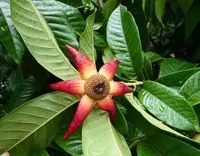
Momordica cochinchinensis, commonly called balsampear or gac fruit, is a vigorous tropical vine grown for its striking orange-red spiny fruits and dense foliage. It climbs using tendrils and can quickly cover trellises, fences, or arbors in warm climates.

This species is native to Southeast Asia and prefers consistently warm conditions, ample sunlight, and evenly moist but well-drained soil. Its seasonal flowering and fruiting habit makes it more suitable for outdoor cultivation in frost-free regions.

Growth is fast but needs structural support and space, so planning the planting site is important. Beginners can learn how to care for balsampear with some attention to temperature and regular watering, but it is not ideal for very cool or dry locations.

Main Plant Requirements

Care Difficulty

Moderate Care

Light Preference

Full Sun

Water Requirements

Regular Water

Temperature Preference

Tropical / Frost Sensitive

Hardiness Zone

11–12

Soil Texture

Loamy, Sandy, Organic-rich

Soil pH

Acidic (5.5–6.5), Slightly acidic (6.5–7.0)

Soil Drainage

Moist but well-drained

Fertilization

Moderate (every 2–4 weeks)

Get Personalized Care Plan

Scan your plant to receive care tips personalized for your specific plant

Available on iOS and Android

How to Care for the balsampear

This vigorous tropical vine needs abundant sun to flower and fruit well, but benefits from some protection at the hottest times of day.

  • Provide 6–8 hours of direct sun daily, ideally with strong morning sun and light afternoon shade in hot climates for balsampear.
  • Allow partial shade (4–5 hours direct sun) in regions with intense summer sun to reduce leaf scorch and flower drop.
  • In cooler seasons, maximize exposure by avoiding shade from trees or structures, as low light leads to weak, tangling growth and fewer fruits.

This species prefers consistently moist, well-drained soil and reacts quickly to both drought and waterlogging.

  • Irrigate when the top 3–5 cm of soil feels dry, aiming for deep soaking rather than frequent shallow splashes.
  • Use freely draining, organic-rich soil so excess water runs through; persistent puddling, yellowing leaves, or a sour smell indicate overwatering and poor drainage.
  • In hot, active growth periods increase watering, while in cooler or rainy weather reduce it; wilting at midday that recovers by evening usually signals mild drought stress in Momordica cochinchinensis.

This warm-season climber thrives in stable heat and is highly sensitive to cold and frost.

  • Aim for daytime temperatures of 75–90°F (24–32°C) and nights above 60°F (16°C) for strong vegetative growth and flowering.
  • Protect the plant from any frost; tissue damage occurs near 32°F (0°C), and growth slows sharply below 55°F (13°C).
  • In very hot spells above 95°F (35°C), provide soil mulch and light shade cloth to limit heat stress, flower abortion, and fruit sunscald during peak afternoon hours.

This vine prefers moderately humid air but adapts to many outdoor conditions.

  • Aim for 50–70% humidity in warm growing periods to support steady vine and fruit development.
  • It tolerates short spells of drier air but prolonged <40% humidity can slow growth and cause tender shoot tip dieback.
  • Watch for curled young leaves and stalled tendrils as low-humidity stress signs, and increase humidity with nearby water trays or dense companion planting.

This species performs best in deep, loose, organic-rich soil that drains freely yet holds some moisture.

  • Use a loamy mix built from roughly 50% garden soil, 30–40% mature compost, and 10–20% coarse sand or perlite for structure.
  • Target slightly acidic to neutral pH around 6.0–7.0, which keeps nutrients available and supports healthy root activity in Momordica cochinchinensis.
  • Improve aeration by incorporating coarse materials like perlite, pumice, or gritty sand rather than fine builders’ sand that compacts easily.
  • Avoid heavy clay that stays wet, poorly decomposed manure, or mixes high in peat alone, which can lead to waterlogging and root decline.

This climbing species can grow successfully in containers when given enough volume and support.

  • Choose a container at least 35–40 cm deep and wide to accommodate vigorous roots and reduce rapid drying in hot weather.
  • Select a weighty clay or cement pot if possible, which stabilizes the vine and prevents tipping once a tall trellis or support is added.
  • Position the pot where drainage water can exit freely, and slightly elevate it on feet or bricks so the large root mass never sits in a saucer of water.

This vigorous vine benefits from moderate, targeted feeding to support flowering and fruiting.

  • Apply a balanced NPK liquid fertilizer at 1/2 strength every 2–3 weeks during active growth in late spring and summer.
  • Use well-rotted compost or organic slow-release pellets at planting to enrich the root zone for caring for balsampear.
  • Avoid high-nitrogen products that drive excess foliage at the expense of flowers and fruit.
  • Stop feeding in late fall and during winter dormancy, when the plant’s nutrient demand drops.

Thoughtful pruning keeps Momordica cochinchinensis manageable, productive, and well ventilated.

  • Best time is late winter or very early spring before new shoots extend.
  • Remove dead, diseased, storm-damaged, or pest-infested stems with clean, sharp pruners.
  • Thin crowded, tangled vines to improve light penetration and air flow along the trellis.
  • Shorten overly long shoots to maintain size and direct growth toward strong, fruiting laterals.

This climbing vine is usually grown in the ground, so focus on careful transplanting and early support.

  • Transplant in late spring once soil is warm and frost risk has passed, as seedlings resent cold conditions.
  • Look for roots circling small nursery cells or slowed top growth as signs plants are pot-bound and ready for the garden.
  • Move seedlings into a sunny site with fertile, well-drained soil; disturb roots as little as possible when removing from pots.
  • Water thoroughly after transplanting, provide a trellis immediately, and shade lightly for a few days to limit transplant shock.

New plants are most commonly raised from seed, with timing and warmth critical for good Momordica cochinchinensis plant care.

  • Sow fresh, cleaned seeds in late winter to early spring in a warm, bright indoor setup or heated greenhouse.
  • Nick or gently file the hard seed coat, then soak seeds 12–24 hours to speed and even out germination.
  • Use a loose, sterile seed-starting mix kept evenly moist at 75–85°F for reliable sprouting.
  • Provide strong light and individual pots once seedlings develop true leaves, handling roots carefully when potting on.

This tropical to subtropical vine is frost sensitive and needs protection in climates colder than USDA zone 10.

  • In mild climates, mulch the root zone 5–8 cm deep with straw or compost in late fall to buffer temperature swings.
  • Cut back frost-killed top growth, leaving the crown area lightly covered but not buried.
  • In cooler regions, grow in large containers and move plants indoors to a bright, frost-free space before temperatures drop near 40°F.

Care Tips

Provide strong trellis

Install a sturdy trellis or wire fence 1.8–2.4 m high before planting so the vigorous vines can be tied in loosely as they grow, which improves airflow and fruit quality and makes harvest safer.


Hand-pollinate flowers

In cooler or low-insect areas, use a small soft brush to transfer pollen from male to female flowers in the morning, which significantly increases fruit set when growing balsampear outdoors or in protected structures.

Mulch root zone

Apply a 5–8 cm layer of clean straw or shredded bark around, but not touching, the stems to keep the root zone cool, reduce water stress, and minimize soil-borne disease splash onto lower leaves.

Monitor for nematodes

In areas with known root-knot nematode issues, rotate planting beds every year and consider using soil solarization or resistant cover crops during the off-season to protect roots and maintain vine vigor.

Staggered sowing

Sow seeds in 2–3 small batches at 2-week intervals at the start of the warm season so flowering and fruiting are spread out, which eases harvest scheduling and reduces stress on any single planting.

Common Pests and Diseases

Fruit fly infestation

These insects lay eggs in young fruits, and larvae feed inside, causing internal rotting, premature fruit drop, and deformed gac fruits.

Solution

Collect and destroy infested and fallen fruits, use fine mesh bags over developing fruits, and remove nearby wild cucurbit hosts. For larger plantings, deploy bait traps or protein bait sprays targeted at adult flies and maintain good field sanitation to reduce population build‑up.

Powdery mildew

This disease causes white, powdery fungal growth on leaves, leading to yellowing, reduced photosynthesis, and premature leaf drop, especially in dense vines late in the season.

Solution

Improve airflow by pruning excess vine growth and spacing plants, avoid overhead watering in the evening, and promptly remove heavily infected leaves. In home gardens, apply a sulfur or potassium bicarbonate fungicide labeled for cucurbits, following directions carefully, and start treatments at the first visible spots.

Downy mildew

This disease produces yellow angular leaf spots that later turn brown and dry, with gray to purplish fuzz on the undersides of leaves in humid conditions, leading to rapid defoliation and reduced fruit set.

Solution

Water at soil level in the morning, not on the foliage, and increase air movement around the vines with trellising and pruning. Remove and discard infected leaves, avoid overhead irrigation during humid periods, and, where disease pressure is high, use a copper‑based or phosphonate fungicide suitable for cucurbits as a protective treatment.

Aphids

These insects cluster on tender shoots and leaf undersides, sucking sap, causing curled and distorted leaves, sticky honeydew, and sometimes transmitting viral diseases.

Solution

Wash colonies off with a strong but controlled stream of water, encourage or introduce natural enemies such as lady beetles, and remove heavily infested shoot tips. For persistent populations, use insecticidal soap or a light horticultural oil, coating leaf undersides thoroughly and repeating as needed according to label directions.

Cucurbit viruses

Symptoms include mosaic or mottled leaf patterns, leaf distortion, stunted vines, and deformed or poorly colored fruits, often following aphid or whitefly activity in the area.

Solution

Promptly remove and destroy plants with strong mosaic symptoms to limit virus spread and control aphid populations early in the season. Use clean seed, avoid planting near other infected cucurbits, disinfect tools between plants, and rotate growing areas yearly to reduce viral pressure and support more reliable Momordica cochinchinensis plant care.

Interesting Facts

Carotenoid-rich arils

The soft red arils surrounding the seeds are exceptionally rich in carotenoids such as beta-carotene and lycopene, giving the fruit its intense orange-red color and strong antioxidant capacity documented in food science studies.

Southeast Asian native vine

This species is a perennial climbing vine native to Southeast Asia, especially Vietnam and neighboring regions, where it grows over trees and fences in warm, humid lowland habitats.

Traditional food pigment

In parts of Vietnam, the fruit pulp has long been used as a natural coloring and flavoring in festive rice dishes, where a small amount of aril is mixed into rice to produce an orange-red preparation often served at celebrations.

Botan icon

Did you know?

The seeds of this species have a distinctive sculptured surface with wing-like margins, a morphology that helps botanists identify it and suggests adaptation for dispersal and protection within the spiny fruit.

FAQs about balsampear

This species is a vigorous climbing vine that twines using tendrils. It prefers to grow up trellises, fences, or other supports rather than sprawl, which keeps stems healthier and fruits cleaner and easier to harvest.

Grow Healthy Plants with Botan Care

Keep your plants happy and healthy with plant identification, disease detection, and easy care guidance.

Botan plant care app — identify plants on mobile

Explore More Plants