garden chervil Care (Anthriscus cerefolium)

Also known as: Chervil, Salad Chervil
garden chervil

About garden chervil

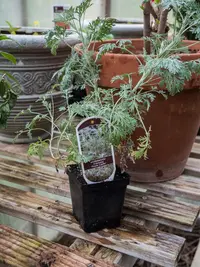
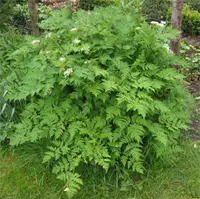
Garden chervil, Anthriscus cerefolium, is a delicate annual herb in the carrot family, grown mainly for its finely flavored leaves. It forms soft, fern-like foliage with a light green color and produces small, white, umbrella-shaped flower clusters if allowed to mature.

The plant originates from southern Europe and western Asia but is now widely cultivated in herb gardens and containers. It has a relatively fast life cycle, which makes it easy to grow but also means it can bolt and fade quickly in hot weather.

Garden chervil prefers cool conditions, partial shade, and consistently moist, well-drained soil. Understanding these preferences helps gardeners care for garden chervil successfully in both beds and pots.

Main Plant Requirements

Care Difficulty

Moderate Care

Light Preference

Partial Shade

Water Requirements

Keep Soil Moist

Temperature Preference

Cool Climate

Hardiness Zone

3–7

Soil Texture

Loamy, Silty, Organic-rich

Soil pH

Acidic (5.5–6.5), Slightly acidic (6.5–7.0)

Soil Drainage

Moist but well-drained

Fertilization

Light (every 4–6 weeks)

Get Personalized Care Plan

Scan your plant to receive care tips personalized for your specific plant

Available on iOS and Android

How to Care for the garden chervil

This annual herb prefers soft, cool light rather than strong, direct sun.

  • Provide 3–5 hours of gentle light, ideally morning sun with light shade or dappled light from midday onward, especially in warmer regions.
  • Allow bright partial shade or filtered light in summer; strong afternoon sun can scorch leaves, bleach color, and shorten the harvest window.
  • In cooler seasons or cloudy climates, slightly more direct sun is acceptable, but avoid prolonged exposure during hot, dry periods for stable garden chervil growth.

This shallow-rooted herb needs consistently moist but not saturated soil.

  • Water when the top 2–3 cm of soil feels dry, aiming for evenly moist soil that never stays soggy or turns completely dusty.
  • Use well-draining, loose soil so excess water can escape; yellowing, limp foliage and a sour smell suggest overwatering and possible root rot.
  • Increase watering frequency during hot, windy periods, and reduce slightly in cool, overcast weather; limp, floppy leaves that perk up after watering indicate mild underwatering in Anthriscus cerefolium.

This cool-season herb performs best in mild, stable temperatures.

  • Aim for 55–70°F (13–21°C) for steady growth; flavor and leaf quality are usually best at the lower end of this range.
  • The plant tolerates brief drops to about 25–28°F (-4 to -2°C) once established, but repeated hard frosts can damage foliage and reduce yield.
  • Heat above 80°F (27°C), especially combined with strong sun, often triggers early bolting; provide shade or sow earlier or later in the season in hot-summer climates to avoid peak heat stress.

Humidity is not a major factor for Anthriscus cerefolium in typical home or outdoor conditions.

Anthriscus cerefolium prefers light, moist, well-drained soil with consistent structure.

  • Use a loose loamy mix with high organic matter, for example 2 parts garden loam, 1 part compost, 1 part leaf mold or coco coir.
  • Aim for slightly acidic to neutral pH around 6.0–7.0, avoiding strongly acidic or alkaline conditions that restrict nutrient uptake.
  • Improve drainage and aeration by incorporating coarse sand or fine grit at 10–20% of the volume, especially in heavier soils.
  • Avoid compacted, heavy clay or waterlogged spots, which quickly cause root decline and reduce aromatic leaf quality.

This herb is well suited to container growing on patios, balconies, or near the kitchen.

  • Choose a container at least 20–25 cm deep to allow the fine taproot to develop without circling or deforming.
  • Select a heavier clay or ceramic pot if placed outdoors to reduce tipping from the plant’s airy, upright foliage.
  • Elevate the pot on feet or spacers so drainage holes stay clear and runoff does not reabsorb into the root zone.

This short-lived herb grows best with light, balanced feeding rather than heavy fertilization.

  • Use a diluted balanced liquid fertilizer (around 10-10-10 NPK at 1/2 strength) every 3–4 weeks during the main growing season.
  • Alternatively, apply a thin layer of fine compost to the soil surface in spring for slow, gentle nutrition.
  • Stop feeding in late fall or when growth slows, as additional nutrients are unnecessary in winter for garden chervil.
  • Avoid high-nitrogen or fast-release products that can cause weak, lush growth with reduced flavor.

Pruning Anthriscus cerefolium focuses on keeping foliage productive and delaying flowering.

  • Begin light trimming once plants are established in spring, using clean scissors or small snips.
  • Remove yellowing, damaged, or overcrowded stems at the base to improve airflow and reduce disease risk.
  • Pinch off emerging flower stalks if longer leaf harvest is desired, as flowering quickly reduces leaf quality.
  • After plants become woody or mostly flowered, cut them down to soil level and re-sow if fresh leaves are needed.

This shallow-rooted annual is usually direct-sown, but young plants tolerate gentle transplanting if handled carefully.

  • Transplant in early spring or early fall when temperatures are mild and plants have 2–3 true leaves.
  • Move seedlings before roots circle the container; slow growth or tight root masses signal stress.
  • Set plants at the same soil level in loose, moist, well-drained soil, disturbing roots as little as possible.
  • Water thoroughly after transplanting, then shade lightly for 2–3 days to reduce transplant shock and wilting.

New Anthriscus cerefolium plants are most commonly raised from fresh seed rather than division or cuttings.

  • Sow seeds in early spring or late summer in trays or directly outdoors, as viability drops quickly in storage.
  • Press seeds lightly into moist, well-drained soil; they need shallow coverage and consistent moisture for germination.
  • Maintain cool conditions around 55–65°F with gentle light; seedlings usually emerge within 1–3 weeks.
  • Thin or transplant seedlings to allow spacing of 15–20 cm, which reduces crowding and improves leaf quality.

This cool-season annual has limited frost tolerance and generally does not need complex winter care.

  • In mild climates, light frosts are usually tolerated if soil drains well and plants are not waterlogged.
  • Apply a thin mulch layer around the root zone in late fall to moderate soil temperature swings.
  • For container plants in colder regions, move pots to a sheltered, frost-free spot such as a cool porch or unheated garage.

Care Tips

Succession Sowing

Sow a small patch every 2–3 weeks during the cool season so foliage stays tender and you always have young plants ready to harvest as older ones start to bolt.

Shade Net Management

In warm climates, install a 30–40% shade cloth on a simple frame and adjust its height through the season to reduce heat stress and delay premature flowering.

Harvesting Technique

Cut outer stems with scissors just above a leaf node, leaving the central crown intact, which encourages continuous regrowth instead of exhausting the plant at once.

Container Rotation

If grown in pots, rotate containers every 3–4 days and occasionally shift them to a slightly cooler, brighter but indirect spot to maintain compact growth and reduce bolting pressure when growing garden chervil.

Slug and Snail Barriers

Place rough mineral grit, sharp sand, or copper tape around bed edges or container rims to reduce slug and snail feeding on the soft young foliage without using broad-spectrum pesticides.

Common Pests and Diseases

Powdery mildew

This disease causes a white, powdery coating on leaves, often starting on older foliage and in crowded, humid plantings.

Solution

Remove heavily affected leaves, thin plants to improve airflow, avoid overhead watering, and water at the base in the morning; if needed, apply a sulfur or potassium bicarbonate fungicide labeled for edible herbs and follow all label directions carefully.

Leaf spot

This disease produces small brown to dark spots on leaves that can merge into larger patches, leading to yellowing and premature leaf drop.

Solution

Promptly remove and discard affected leaves, avoid wetting foliage, provide good spacing and air circulation, and rotate beds so chervil is not grown in the same soil every year to reduce pathogen buildup.

Aphids

These insects cluster on young stems and leaf undersides, sucking sap and causing curling or distortion of tender foliage and sticky honeydew deposits.

Solution

Spray plants with a firm stream of water to dislodge aphids, encourage natural predators like lady beetles, and if populations remain high, use insecticidal soap or neem oil, making sure to cover leaf undersides and repeat as needed.

Leaf miners

This pest causes winding, pale tunnels inside the leaves where larvae feed between the leaf surfaces, reducing usable foliage quality.

Solution

Remove and discard mined leaves as soon as tunnels appear, use floating row covers to exclude egg‑laying adults from young plantings, and keep nearby weeds down to reduce alternate host plants.

Downy mildew

This disease leads to yellow patches on upper leaf surfaces with gray to purplish fuzzy growth on the undersides, especially in cool, humid weather.

Solution

Improve air circulation, water at soil level early in the day, avoid overhead irrigation, remove infected foliage, and rotate crops; in severe cases, use a copper-based fungicide approved for herbs, following label directions and observing harvest intervals for Anthriscus cerefolium care.

Interesting Facts

Ancient culinary herb

Garden chervil has been cultivated in Europe since at least Roman times and was traditionally used to flavor eggs, fish, and delicate spring dishes because of its mild anise-like aroma that fades quickly with heat.

Ephemeral spring annual

This species completes its life cycle rapidly in cool weather; once exposed to long days and rising temperatures, it quickly bolts to flower and set seed, which is why cooks prize the very young leaves.

Fine, aromatic foliage

The foliage is finely divided and fern-like, and the essential oils responsible for its scent are most concentrated in the fresh leaves, which is why they are typically added at the end of cooking or used raw.

Botan icon

Did you know?

In traditional French cuisine, garden chervil is one of the classic fines herbes, grouped with parsley, chives, and tarragon, and is considered essential for giving a distinctively delicate flavor to many omelets and sauces.

FAQs about garden chervil

Yellowing leaves usually result from aging foliage, water stress, or nutrient deficiency. Check for soggy or very dry soil, improve drainage, and provide a light, balanced fertilizer. Remove the oldest yellow leaves to redirect energy to new growth.

Grow Healthy Plants with Botan Care

Keep your plants happy and healthy with plant identification, disease detection, and easy care guidance.

Botan plant care app — identify plants on mobile

Explore More Plants