spotted beebalm Care (Monarda punctata)

Also known as: spotted horse mint, Dotted Mint
spotted beebalm

About spotted beebalm

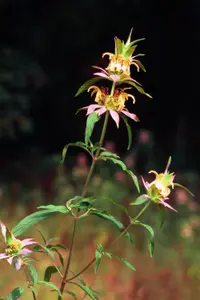
Spotted beebalm, Monarda punctata, is a perennial herb in the mint family valued for its tall, upright habit and tiered, spotted tubular flowers. The showy, often pink or yellow-tinged bracts around the blooms give the plant a layered, architectural look.

It is native to dry, open areas of North America, including sandy prairies, coastal plains, and roadsides. This background makes it well adapted to heat, wind, and relatively poor soils.

Spotted beebalm is generally easy to grow when given full sun, well-drained soil, and moderate moisture. Understanding these preferences is the basis of how to care for spotted beebalm in home gardens.

Main Plant Requirements

Care Difficulty

Easy Care

Light Preference

Full Sun

Water Requirements

Low Water

Temperature Preference

Cold Hardy

Hardiness Zone

3–9

Soil Texture

Sandy, Loamy, Rocky

Soil pH

Acidic (5.5–6.5), Slightly acidic (6.5–7.0)

Soil Drainage

Well-drained

Fertilization

Minimal (feed rarely)

Get Personalized Care Plan

Scan your plant to receive care tips personalized for your specific plant

Available on iOS and Android

How to Care for the spotted beebalm

Monarda punctata needs abundant sun to flower well and stay compact.

  • Provide 6–8 hours of direct sun daily; full sun is ideal, especially in cooler climates.
  • Tolerates light afternoon shade in hotter regions, but dense shade leads to lanky growth and fewer blooms in spotted beebalm.
  • Avoid strong reflected heat from walls or pavement; in summer, some protection from intense late-afternoon sun reduces leaf scorch and moisture stress.

Monarda punctata prefers moderately dry to slightly moist soil and dislikes prolonged wet conditions.

  • Water when the top 3–5 cm of soil feels dry, applying a deep soak rather than frequent light sprinkling.
  • Use well-drained, sandy or loamy soil so water moves through quickly; standing water or sticky, compacted soil increases root rot risk.
  • In hot, dry spells, watch for wilting or crisp leaf edges as a cue to water; yellowing, soft stems often indicate overwatering issues.

This species is adapted to warm summers and cold winters but prefers moderate, stable temperatures during active growth.

  • Optimal growing temperatures are 70–85°F (21–29°C), with strong flowering as long as soil is not waterlogged.
  • Established plants tolerate down to about -20°F (-29°C) in the ground, but new plantings benefit from protection from hard frost their first winter.
  • Heat tolerant up to about 95°F (35°C) if soil drains well; in extended heat waves, mulch around the base to keep roots cooler and reduce stress.

This species tolerates relatively dry air and usually does not need special humidity management outdoors.

  • Performs well at 30–50% humidity, typical of many outdoor climates.
  • Shows humidity stress mainly when roots stay wet, with wilting and browning leaf edges despite moist soil.
  • If grown in a hot, very dry, windy spot, shelter spotted beebalm slightly to reduce moisture loss rather than raising air humidity.

Monarda punctata prefers lean, sandy, well-aerated soil that drains quickly and does not stay wet.

  • Use a gritty mix such as 50–70% sandy or loamy garden soil blended with coarse sand or fine gravel and a modest amount of compost.
  • Aim for slightly acidic to neutral pH around 6.0–7.0, avoiding highly acidic or strongly alkaline conditions that restrict nutrient uptake.
  • Improve drainage and aeration by incorporating coarse mineral materials, and avoid heavy clay or compacted areas that hold water around the roots.
  • Do not plant in low spots or where irrigation collects, as prolonged saturation greatly increases root rot risk for Monarda punctata.

This species can be grown in containers if the pot is prepared to mimic its naturally dry, well-drained conditions.

  • Choose a deep, relatively wide container to accommodate its spreading root system and keep the plant from becoming top-heavy in wind.
  • Use a heavier material like clay or ceramic to stabilize the pot and reduce tipping when tall flowering stems develop.
  • Elevate the container slightly on pot feet or bricks so drainage holes stay clear and excess water escapes rapidly from the base.

Monarda punctata grows well in modest soils, but light feeding improves flowering in poor sites.

  • Apply a balanced, slow-release fertilizer (around 10-10-10) once in early spring as new growth starts.
  • On very sandy or low-nutrient soils, top-dress with a thin layer of compost in spring to boost organic matter.
  • Use fertilizers at half the label strength to avoid lush, floppy growth and reduced essential oil content.
  • In late fall and winter, stop feeding spotted beebalm to allow natural dormancy.

Monarda punctata responds well to thoughtful pruning that maintains vigor and encourages more blooms.

  • In late spring, lightly shear or pinch stem tips to promote bushier growth and more flowering stems.
  • Deadhead spent flower spikes during summer to extend the blooming period and reduce self-seeding.
  • After frost, cut back dead or damaged stems to 5–10 cm above soil using clean, sharp pruners.
  • Remove crowded or crossing stems at the base to improve airflow and lower the risk of powdery mildew.

Monarda punctata is usually grown in the ground, so focus on careful transplanting rather than frequent repotting.

  • Transplant in early spring or early fall when temperatures are mild and soil is evenly moist.
  • Move clumps every 3–4 years if centers thin out, flowering declines, or plants spread beyond their space.
  • For containers, shift to a slightly larger pot when roots circle the sides or growth becomes stunted.
  • Water deeply before and after moving plants, keep roots shaded, and avoid breaking the root ball to limit stress.

Monarda punctata is commonly propagated by seed and division, with stem cuttings as another option.

  • Sow seeds in late fall outdoors or early spring indoors; provide light exposure, as seeds need light to germinate.
  • Divide established clumps in early spring, replanting vigorous outer sections into prepared soil.
  • Take 8–10 cm softwood cuttings in late spring, root in a sterile, moist medium, and maintain high humidity.
  • For consistent results in Monarda punctata plant care, label selections and discard weak or diseased stock.

Monarda punctata is generally cold hardy in much of the US and needs only modest winter care.

  • In late fall, leave some stems standing to catch snow and protect the crown in colder regions.
  • Apply a 5–8 cm mulch layer after the ground cools to insulate roots, keeping mulch off the stems.
  • For container plants in cold climates, move pots into a sheltered, unheated garage or against a protected wall.

Care Tips

Encourage Bushy Growth

Pinch back soft stem tips when plants are 15–20 cm tall to encourage branching, which produces sturdier plants and more flower spikes.

Airflow Against Mildew

Space clumps so mature plants barely touch and remove crowded inner stems in early summer to improve airflow and reduce powdery mildew risk when growing spotted beebalm.

Targeted Flower Deadheading

Clip off spent flower whorls just above a leaf node to extend the blooming season, but leave late-season seed heads if self-seeding or wildlife support is desired.

Root-Zone Weed Control

Use a thin, coarse mulch layer kept 3–5 cm away from the stems to suppress weeds around the shallow root system without trapping excess moisture at the crown.

Planned Self-Seeding

Allow a few of the healthiest plants to set seed and gently shake dried flower heads over the desired area in late fall to maintain a naturalized patch without overcrowding.

Common Pests and Diseases

Powdery mildew

This disease causes white, powdery patches on leaves, stems, and bracts, often appearing in late summer during warm, dry days with humid nights.

Solution

Remove and discard heavily infected leaves, thin crowded stems to improve air circulation, avoid overhead watering, and water early in the day. In recurring cases, use a sulfur or potassium bicarbonate fungicide labeled for ornamentals, applying according to label directions as part of broader Monarda punctata care instructions.

Leaf spot

This disease produces small brown or purplish spots on leaves that may merge, leading to yellowing and early leaf drop, especially in humid or wet conditions.

Solution

Prune and dispose of affected foliage, avoid wetting the leaves when watering, and space plants to allow better airflow. In severe or repeated outbreaks, apply a copper-based or chlorothalonil fungicide labeled for leaf spots on ornamentals and clean up plant debris each fall to reduce overwintering spores.

Spider mites

These insects feed on the undersides of leaves, causing fine stippling, bronzing, and possible webbing during hot, dry weather.

Solution

Spray foliage thoroughly with a strong stream of water to knock mites off the plant and increase humidity around the plant during very dry periods. If populations remain high, treat the undersides of leaves with insecticidal soap or horticultural oil, repeating as directed and avoiding applications during full midday sun.

Aphids

These insects cluster on young stems and flower shoots, sucking sap and causing curling or distortion of new growth and sticky honeydew on leaves.

Solution

Dislodge colonies with a firm spray of water and pinch off or prune heavily infested shoot tips. For persistent infestations, apply insecticidal soap or a light horticultural oil, making sure to cover all plant surfaces and repeating at intervals specified on the product label.

Interesting Facts

Stacked floral whorls

Spotted beebalm produces several tiers of flower clusters up a single stem, each surrounded by pale pink to creamy, often purple-spotted bracts that function like visual flags to pollinators.

Specialist bee associations

This species supports specialist native bees such as Perdita species that preferentially collect its pollen, making it ecologically more important than many other ornamental mints in its native range.

Sand and fire adaptation

Spotted beebalm is naturally common in sandy, open habitats and often persists or increases after disturbance such as fire, due to its ability to regrow from surviving root systems and its preference for low competition sites.

Botan icon

Did you know?

The essential oil profile of spotted beebalm is unusually rich in thymol and carvacrol, compounds more often associated with thyme and oregano, which gives the plant a strong, pungent aroma that can deter some herbivores and certain plant pathogens.

FAQs about spotted beebalm

This species spreads by both seed and short rhizomes, forming loose clumps rather than dense, smothering mats. It can self-seed in open soil, so deadhead spent flowers if you want to limit spread.

Grow Healthy Plants with Botan Care

Keep your plants happy and healthy with plant identification, disease detection, and easy care guidance.

Botan plant care app — identify plants on mobile

Explore More Plants