Oregon anemone Care (Anemonoides oregana)

Also known as: blue anemone, blue windflower, western wood anemone
Oregon anemone

About Oregon anemone

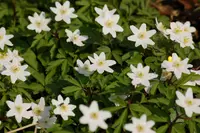
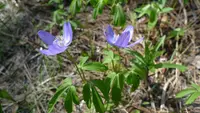
Oregon anemone, Anemonoides oregana, is a low-growing woodland perennial valued for its early spring flowers and dense, spreading habit. It forms carpets of finely divided leaves topped with single, daisy-like blooms in shades of blue, purple, or occasionally white.

This species is native to moist forests and streamside areas of the Pacific Northwest, where it thrives in cool, shaded conditions and rich, humus-based soil. It suits gardeners seeking a naturalistic groundcover under trees but can be sensitive to heat and drying winds.

Understanding how to care for Oregon anemone starts with providing filtered light, consistently moist but well-drained soil, and protection from harsh afternoon sun or heavy foot traffic.

Main Plant Requirements

Care Difficulty

Moderate Care

Light Preference

Partial Shade

Water Requirements

Regular Water

Temperature Preference

Cold Hardy

Hardiness Zone

5–9

Soil Texture

Loamy, Silty, Organic-rich

Soil pH

Acidic (5.5–6.5), Slightly acidic (6.5–7.0)

Soil Drainage

Moist but well-drained

Fertilization

Minimal (feed rarely)

Get Personalized Care Plan

Scan your plant to receive care tips personalized for your specific plant

Available on iOS and Android

How to Care for the Oregon anemone

This woodland perennial prefers cool, dappled light similar to an open forest floor.

  • Provide 2–4 hours of gentle morning sun with bright, filtered shade the rest of the day; avoid strong afternoon sun in summer.
  • Plant Oregon anemone beneath deciduous shrubs or trees where spring light is brighter, then naturally shifts to shade as foliage fills in.
  • Watch foliage color and texture: pale, scorched, or crispy leaves indicate too much sun, while very sparse, leaning growth suggests insufficient light.

This species prefers consistently moist but never waterlogged soil.

  • Water when the top 2–3 cm of soil feel slightly dry, aiming for evenly damp soil around the root zone during active spring growth.
  • Ensure soil has very good drainage using loose, humus-rich ground; prolonged puddling or a sour smell indicates poor drainage and potential root rot.
  • Reduce watering in summer dormancy or dry spells, giving only enough to prevent complete drying and watching for limp, folding leaves as a sign of thirst.

This woodland plant favors cool to mild temperatures with a distinct winter chill period.

  • Active growth is strongest around 50–65°F (10–18°C), typical of early spring in many temperate gardens.
  • Established plants tolerate short dips to about 15–20°F (-9 to -6°C) under mulch, but young crowns benefit from an insulating leaf or bark layer in colder areas.
  • Heat above 80°F (27°C) often triggers summer dormancy; in hot regions, use shade and mulch to keep soil cooler and protect roots from stress.

This woodland perennial is flexible about humidity but prefers slightly moist air.

  • Target 40–60% humidity, typical of most homes, to prevent leaf edges from drying.
  • It tolerates short dry spells, but prolonged air below 30% can cause crisped tips and slower growth.
  • Increase humidity locally with a nearby pebble tray or grouping plants, rather than misting leaves directly.

This species prefers loose, humus-rich soil that mimics a cool forest floor.

  • Use a loamy mix with high organic matter, such as 2 parts leaf mold or compost to 1 part garden soil and 1 part fine bark.
  • Ensure fast drainage; water should pass through quickly while the mix stays lightly moist but never waterlogged.
  • Aim for slightly acidic to neutral pH around 6.0–7.0, which supports nutrient availability and healthy root function.
  • Avoid heavy clay, compacted ground, or pure sand; improve aeration and drainage with shredded bark, leaf mold, or coarse perlite.

This species can be grown in containers if its shallow, fibrous roots and moisture needs are respected.

  • Choose a wide, shallow pot that allows rhizomes to spread horizontally rather than a very deep container.
  • Select a stable, heavier pot material if placing the container in windy spots, since foliage and flowers can act as a sail.
  • Use a mix that drains quickly yet holds moisture, and monitor the potting zone closely because small containers dry out faster than garden soil.

This woodland perennial needs only light feeding in suitable soil.

  • Apply a thin layer of compost or leaf mold around clumps in early spring to mimic forest soil.
  • If growth seems weak, use a balanced liquid fertilizer (such as 10-10-10) at 1/4–1/2 strength every 4–6 weeks in spring.
  • Stop feeding once flowering of Oregon anemone finishes and foliage starts to yellow for dormancy.

Anemonoides oregana needs minimal pruning, mainly cleanup after flowering.

  • In late spring or early summer, remove spent flower stems at the base to keep clumps tidy.
  • Cut away dead, yellowing, or diseased leaves with clean, sharp scissors or hand pruners.
  • In autumn, clear away collapsed foliage to reduce fungal problems and allow new growth to emerge cleanly next season.

This species is usually grown in the ground and only occasionally moved once established.

  • Transplant in early spring or early fall when growth is slow and soil is moist but not waterlogged.
  • Move clumps only when performance declines, flowering reduces, or plants become overcrowded, typically every 4–6 years.
  • Lift carefully with a fork, keeping as much root and surrounding soil intact as possible to limit shock.
  • Replant at the same depth in humus-rich, well-drained soil, then water gently and keep evenly moist until resettled.

Division is the most reliable way to increase Anemonoides oregana in gardens.

  • Divide established clumps in early spring just as shoots emerge, or in early fall after flowering.
  • Lift the clump and gently separate rhizomes so each piece has several buds and healthy roots.
  • Replant divisions immediately at the same depth in moist, humus-rich soil with partial shade.
  • Seeds can also be sown fresh outdoors in fall, allowing natural winter cold to break dormancy.

This woodland perennial is generally cold hardy in much of the US and needs only light winter care.

  • Plants tolerate typical frosts once established, with foliage naturally dying back in late fall.
  • Apply a 3–5 cm layer of leaf mold or bark mulch over the root zone after the ground cools.
  • For containers, move pots into a sheltered, unheated but frost-free or slightly protected area to prevent root freeze–thaw damage.

Care Tips

Mark Dormant Clumps

Place small, durable labels where clumps grow before they go dormant in late spring so you avoid disturbing or damaging the crowns when working or mulching the bed in summer and fall.

Use Deciduous Companions

Plant near deciduous shrubs or small trees so the anemones receive bright light before leaf-out and then light shade later, which mimics their woodland habitat and helps stabilize soil moisture.

Leaf-Litter Mulch

Top-dress the planting zone each fall with 2–4 in of shredded leaves to recreate woodland duff, support beneficial soil fungi, and protect shallow rhizomes from freeze–thaw cycles.

Gentle Division Timing

If clumps thin out, lift and divide them only just after flowering or very early in spring while new shoots are short, keeping divisions moist and shaded at all times to prevent stress to the fine roots.

Rodent And Slug Checks

Inspect regularly for slug feeding on new shoots and rodent tunneling around rhizomes in late winter and early spring, and use physical barriers or targeted traps early to protect plants when growing Oregon anemone.

Common Pests and Diseases

Powdery mildew

This disease often appears in spring on crowded clumps in shade with poor air movement. Symptoms include white, powdery patches on leaves that can cause distortion and early leaf drop.

Solution

Remove and discard affected leaves, then thin surrounding vegetation or divide congested clumps to improve airflow. Avoid overhead watering, water at soil level in the morning, and if needed apply a sulfur or potassium bicarbonate fungicide labeled for ornamentals, following Oregon anemone care instructions closely.

Downy mildew

This disease develops in cool, moist conditions and is favored by prolonged leaf wetness. Symptoms include yellow or pale leaf patches with grayish growth on the undersides, leading to leaf blight.

Solution

Promptly remove and destroy infected foliage and reduce overhead watering so foliage dries quickly. Increase spacing, improve airflow with light pruning of neighboring plants, and use a phosphonate or copper-based fungicide if the problem recurs yearly.

Leaf spot

This disease is commonly caused by fungi in cool, damp woodland beds. Symptoms include small brown or purple spots that may merge into larger blotches, making the foliage look tattered by midsummer.

Solution

Cut off and discard spotted leaves as soon as they appear and keep the soil surface clear of fallen, infected debris. Water at the base, avoid wetting foliage, and if needed apply a chlorothalonil or copper fungicide early in the season according to the label for ornamental perennials.

Aphids

These insects colonize young stems and flower stalks, sucking sap and excreting sticky honeydew. This pest can cause curling or distortion of new growth and may attract sooty mold on nearby surfaces.

Solution

Spray clusters off with a firm stream of water, then check undersides of leaves regularly during spring flush. If populations remain high, apply insecticidal soap or a light horticultural oil, making sure to coat all infested surfaces and repeating as directed.

Slugs and snails

This pest is particularly damaging to low woodland perennials in moist, organic soils. Symptoms include irregular holes in leaves, shredded margins, and slime trails on or near the plants, often appearing overnight in early spring growth.

Solution

Hand-pick slugs and snails at dusk or early morning and use barriers such as copper tape or sharp grit around vulnerable clumps. Where damage is severe, place iron phosphate slug bait around but not on the crowns, and keep mulch thin so hiding places are reduced.

Interesting Facts

Pacific Northwest specialist

This species is native to moist coniferous forests of the Pacific Northwest, where it typically carpets the understory in partial shade beneath Douglas-fir, western hemlock, and related trees.

Color-shifting blossoms

The flowers can appear white, pale blue, or lavender, and individual populations may show consistent color forms, which suggests local genetic variation rather than simple environmental effects.

Rhizome-based colonies

It spreads slowly through slender rhizomes just below the soil surface, forming loose colonies that are often made up of many genetically identical shoots, known as a clonal patch.

Botan icon

Did you know?

This species is considered an indicator of relatively undisturbed, moist woodland habitats in parts of its range, so healthy populations can signal that the forest floor community is still functioning close to its natural condition.

FAQs about Oregon anemone

This species spreads slowly by rhizomes, forming small clumps rather than large, aggressive colonies. In favorable woodland conditions it can naturalize over time, but it is usually easy to manage with basic garden maintenance.

Grow Healthy Plants with Botan Care

Keep your plants happy and healthy with plant identification, disease detection, and easy care guidance.

Botan plant care app — identify plants on mobile

Explore More Plants