little cottonrose Care (Logfia minima)

Also known as: small cudweed
little cottonrose

About little cottonrose

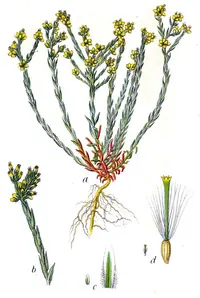
Little cottonrose (Logfia minima) is a small annual wildflower in the daisy family, often found in dry, open habitats. It forms low, delicate tufts covered in fine, woolly hairs that give the plant a soft, grayish look. Tiny clustered flower heads appear on slender stems and are more subtle than showy. In nature it occurs across parts of Europe, North Africa, and has naturalized in some other temperate regions, often in sandy or disturbed soils. Its tolerance of poor, dry ground makes it relatively easy to grow in low-fertility sites, though it dislikes heavy, waterlogged soil. Light, well-drained conditions are usually enough to care for little cottonrose.

Main Plant Requirements

Care Difficulty

Easy Care

Light Preference

Full Sun

Water Requirements

Low Water

Temperature Preference

Warm Climate

Hardiness Zone

8–11

Soil Texture

Sandy, Loamy, Rocky

Soil pH

Slightly acidic (6.5–7.0), Neutral (7.0)

Soil Drainage

Well-drained

Fertilization

Minimal (feed rarely)

Get Personalized Care Plan

Scan your plant to receive care tips personalized for your specific plant

Available on iOS and Android

How to Care for the little cottonrose

This small annual prefers bright, open conditions that mimic dry, sunny meadows.

  • Provide 6–8 hours of direct sun daily; morning to early afternoon sun promotes compact, dense growth in little cottonrose.
  • Plant in an open site with minimal shade; light afternoon shade is tolerated in very hot, dry climates but deep shade causes weak, floppy stems.
  • In late fall and winter, lower sun is acceptable since Logfia minima is often finishing its life cycle, but avoid dense overstory that blocks most light.

This species is drought-tolerant and needs sparing, careful watering once established.

  • Allow soil to dry fully or at least the top 5 cm to feel dry and loose before adding any water, especially in sandy or gravelly sites.
  • Water deeply but infrequently, letting excess drain away; constantly damp or poorly drained soil leads to root rot and yellowing foliage in Logfia minima.
  • Reduce or stop watering in cooler seasons or when growth slows; crisp, drooping stems with very dry soil suggest underwatering, while soft, mushy stems point to overwatering.

This annual tolerates a wide temperature range but grows best in mild, dry conditions.

  • Aim for active growth in 60–75°F (16–24°C); plants usually handle short warm spells up to about 90°F (32°C) if soil is not waterlogged.
  • Expect good tolerance of cool weather down to about 40°F (4°C); below this, growth slows and plants may decline, especially in wet conditions.
  • Avoid hard frost below 32°F (0°C); light frosts may damage foliage, and repeated freezing and thawing can kill seedlings or young plants.

This drought-adapted annual grows well in 30–50% humidity and usually does not need special humidity management.

  • Tolerates very dry air without leaf damage, so no misting or humidifier is required for little cottonrose.
  • Watch for unusually soft, weak stems or pale, floppy foliage as rare signs of humidity-related stress combined with overwatering.
  • In persistently hot, extremely dry indoor air, place the pot away from strong heating vents to reduce additional moisture loss.

This species prefers lean, sandy, sharply drained soil that stays on the drier side.

  • Use a mix of roughly 60–70% coarse sand or grit with 30–40% low-organic potting mix to mimic its naturally poor, dry habitats.
  • Ensure rapid drainage by avoiding peat-heavy, water-retentive media that stay wet for longer than 1 day after watering.
  • Aim for slightly acidic to neutral pH around 6.0–7.2, which supports nutrient availability without encouraging lush, weak growth.
  • Improve aeration and prevent compaction by incorporating fine gravel or pumice, especially important for Logfia minima in containers.

This small annual is suitable for container growing, especially in shallow, very free-draining pots outdoors.

  • Choose a wide, shallow container to match its fibrous, surface-leaning root system and spreading habit.
  • Use a pot with large, unobstructed drainage holes so water exits quickly and the mix dries between waterings.
  • Prefer unglazed terracotta or other porous materials to speed evaporation and prevent the mix staying wet after rain.

This small annual wildflower generally needs little feeding, especially in naturally lean, well-drained soils.

Pruning Logfia minima is minimal and mainly focused on tidying the plant and limiting unwanted self-seeding.

  • Cut back spent flower stems in late summer or early fall to reduce seed drop and keep patches compact.
  • Remove any dead or damaged stems at ground level with clean, sharp scissors or small snips.
  • In managed beds, shear lightly across the top of the stand to maintain a low, even mound without cutting into woody bases.

This species is usually grown in the ground, so care centers on gentle transplanting rather than frequent repotting.

  • Transplant in spring after frost, when seedlings have 2–3 true leaves and weather is mild.
  • Move plants only if growth stalls or they are overcrowded; handle the small root system with care.
  • Lift with a narrow trowel, keeping as much soil around the roots as possible to limit shock.
  • Replant into very free-draining soil, water once to settle, then allow the surface to dry between waterings.

Propagation of Logfia minima is most reliable from seed and is commonly done where natural reseeding is not desired or needs guidance.

  • Sow seeds in late fall or very early spring so they experience cool conditions that support germination.
  • Press tiny seeds onto the soil surface; do not bury, as they need light to germinate.
  • Keep the seedbed just moist, using a fine mist to avoid washing seeds away.
  • Thin seedlings once they have several true leaves, spacing plants to improve airflow and reduce competition.

As a small annual adapted to poor, open sites, this plant generally needs no special winter care in mild to cool climates.

Care Tips

Thin Dense Seedlings

Once seedlings have 2–3 true leaves, thin them so plants stand 5–8 cm apart to reduce competition, improve air flow, and produce sturdier, more floriferous clumps.

Use Gritty Mulch

Apply a very thin layer of fine gravel or coarse sand around the base to keep leaf bases dry, limit moss and algae, and stabilize the shallow root system without trapping excess moisture.

Staggered Sowing

Sow small batches of seed every 2–3 weeks in late winter to early spring so flowering is spread out and you can replace any sections that fail without reworking the whole bed.

Encourage Self‑Seeding

Leave a portion of spent flower heads on the plant until they dry and release seed, then lightly rake the soil surface so seed makes good contact and new volunteer seedlings appear the following season.

Dry Habitats Pairing

Combine little cottonrose with other compact, drought‑tolerant annuals or small perennials in rock gardens or troughs so watering and soil conditions stay consistent and simplified when caring for little cottonrose.

Common Pests and Diseases

Aphids

This pest feeds on tender stems and flower stalks, sucking sap and causing distortion, yellowing, and sticky honeydew on foliage. Symptoms include clustered soft-bodied insects, usually green or brown, on new growth and undersides of leaves.

Solution

Rinse plants with a strong but controlled stream of water to dislodge colonies, focusing on stems and leaf undersides. For persistent infestations, use insecticidal soap or a light horticultural oil, applied in the early morning or late afternoon, and encourage natural predators such as lady beetles in outdoor stands.

Spider mites

These insects are tiny arachnids that thrive in hot, dry conditions and can cause speckled, dull foliage and fine webbing on stems and flower clusters. Symptoms include slow growth, stippled leaves, and a dusty appearance when populations are high.

Solution

Increase humidity around container plants and regularly hose down foliage to remove mites and webs. For ongoing problems, use insecticidal soap or a low-concentration horticultural oil, repeating applications as directed and improving air movement to reduce favorable dry, stagnant conditions.

Powdery mildew

This disease appears as white to gray powdery patches on leaves, stems, and sometimes flower heads, especially in crowded or shaded plantings. Symptoms include stunted growth, distorted foliage, and premature leaf drying.

Solution

Thin and space plants to improve airflow and avoid overhead watering late in the day so foliage dries quickly. Remove heavily infected material and, if needed, apply a sulfur or potassium bicarbonate fungicide suitable for ornamentals at the first sign of infection, following label directions and avoiding use during very hot weather.

Botrytis blight

This disease causes brown, water-soaked spots on leaves and flower heads that develop into gray, fuzzy mold, especially in cool, moist conditions or where spent blooms remain on the plant. Symptoms include collapse of flower clusters and soft, rotting tissue at stem bases or within dense foliage.

Solution

Remove and discard faded flowers and any soft, moldy tissue promptly, keeping the planting area free of debris. Improve drainage and air circulation, reduce overhead watering, and, in severe cases, use a labeled fungicide targeting gray mold, applying during dry weather for best coverage.

Interesting Facts

Ephemeral annual strategy

This tiny annual completes its entire life cycle quickly after winter rains, setting seed before summer drought and disappearing above ground until the next wet season.

Pioneer of bare ground

It frequently colonizes disturbed sandy or gravelly soils, such as paths, field edges, and open ground, where its fine roots and compact habit help it exploit brief windows of moisture and light.

Woolly seed dispersal

The small flower heads and fruits are covered in fine hairs that trap air and debris, which is thought to aid wind dispersal and help seeds lodge in cracks and rough soil surfaces.

FAQs about little cottonrose

This species behaves as a small annual in most climates. It completes its life cycle in 1 growing season, then dies after setting seed. New plants usually appear from self-sown seed the following year.

Grow Healthy Plants with Botan Care

Keep your plants happy and healthy with plant identification, disease detection, and easy care guidance.

Botan plant care app — identify plants on mobile

Explore More Plants