Gentiana sierrae Care

About Gentiana sierrae

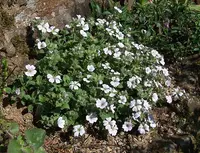
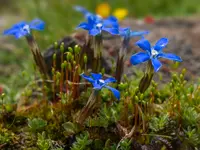
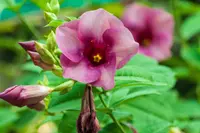
Gentiana sierrae is a small, herbaceous perennial in the gentian family, known for its striking blue, tubular flowers. It forms low clumps and typically blooms in cool seasons. Native to the Sierra Nevada region, it grows in open meadows and subalpine habitats with cool summers and consistent moisture. This natural range shapes its sensitivity to heat and drought. The plant prefers bright light, cool conditions, and moist, sharply draining, slightly acidic soil. It can be demanding in cultivation because it reacts poorly to drying out or waterlogged roots. Gardeners who care for Gentiana sierrae often focus on recreating its cool, moist, yet well-aerated mountain soil conditions.

Main Plant Requirements

Care Difficulty

Hard Care

Light Preference

Full Sun

Water Requirements

Keep Soil Moist

Temperature Preference

Cold Hardy

Hardiness Zone

4–8

Soil Texture

Sandy, Loamy, Rocky

Soil pH

Strongly acidic (4.5–5.5)

Soil Drainage

Moist but well-drained

Fertilization

Minimal (feed rarely)

Get Personalized Care Plan

Scan your plant to receive care tips personalized for your specific plant

Available on iOS and Android

How to Care for the Gentiana sierrae

This alpine perennial prefers cool, bright conditions with protection from intense midday sun.

  • Provide 4–6 hours of morning sun with light shade or filtered light in the afternoon to prevent leaf scorch, especially in warmer climates.
  • Gentiana sierrae tolerates partial shade, but flowering decreases if it receives less than about 3–4 hours of direct or very bright light per day.
  • In summer, use dappled light under open shrubs; in cooler seasons, ensure more open exposure so low-angle sun still reaches the plant.

This species needs consistently moist but not saturated soil, especially during active growth and flowering.

  • Let the top 1–2 cm of soil just begin to feel less damp before watering again, keeping the root zone evenly moist rather than wet.
  • Reduce watering frequency in late fall and winter, allowing the soil surface to dry slightly deeper, while avoiding complete drying of the root area.
  • Yellowing, limp leaves and a sour smell indicate overwatering and poor drainage, while drooping, dull foliage and dry, crumbly soil signal underwatering in Gentiana sierrae.

This mountain gentian performs best in cool to mild conditions with protection from temperature extremes.

  • Aim for optimal growing temperatures of 55–70°F (13–21°C), which support strong root development and flowering.
  • The plant tolerates light frosts down to about 20–25°F (-6 to -4°C) when established, but prolonged hard freezes may damage crowns without insulating snow cover.
  • In hot spells above 80°F (27°C), provide afternoon shade and mulch to keep roots cool, as sustained heat stress can reduce blooming and weaken plants.

This species prefers moderately moist air but usually copes with typical outdoor humidity levels.

  • Aim for 40–60% humidity, especially during hot, dry spells.
  • In very dry air, watch for crisped leaf edges and slow growth as signs of humidity stress.
  • Increase local humidity by mulching the soil surface and grouping nearby plants to reduce evaporation.

Soil for Gentiana sierrae must combine sharp drainage with consistent moisture retention.

  • Use a gritty, sandy loam with 30–50% mineral material such as coarse sand or fine grit to prevent waterlogging.
  • Incorporate modest organic matter, like leaf mold or compost, to hold moisture without becoming heavy or sticky.
  • Maintain slightly acidic soil at pH 5.5–6.5, avoiding alkaline, lime-rich conditions that can cause nutrient lockout.
  • On heavy or compact sites, raise the planting area and mix in gravel or perlite to improve aeration and root health.

This species can be grown in containers if moisture and drainage are carefully balanced.

  • Select a deep pot that allows the root system to develop vertically, preventing stress in shallow, squat containers.
  • Use a mineral-rich, gritty mix that dries slightly between waterings but never becomes bone dry throughout the root zone.
  • Choose a heavier clay or ceramic container outdoors to keep the plant stable and reduce rapid drying in sun and wind.

This alpine gentian is adapted to low-nutrient soils and usually needs only minimal feeding in cultivation.

  • Use a light top-dressing of fine compost or leaf mold in early spring to mimic natural soil enrichment.
  • If growth is poor, apply a very dilute balanced NPK fertilizer (about 1/4 strength) once in late spring.
  • Avoid frequent or heavy fertilization, which can weaken Gentiana sierrae and reduce flowering.
  • Do not feed during winter dormancy, when roots are physiologically less active.

Pruning needs for Gentiana sierrae are modest and mainly focus on cleanliness and flower performance.

  • In late winter or early spring, remove dead or damaged stems with clean, sharp scissors or small snips.
  • Deadhead spent flowers during the blooming season to keep plants tidy and encourage a neater habit.
  • Thin out any crowded or congested shoots carefully to maintain airflow around the crown.
  • Avoid hard cutting into old woody bases, as this species responds best to light, selective trimming.

This species is more often grown in rock gardens than in pots, so care focuses on careful transplanting rather than frequent repotting.

  • Transplant in early spring or early fall, when temperatures are mild and soil moisture is stable.
  • Move plants only when growth slows or clumps outgrow their space, disturbing the root ball as little as possible.
  • Prepare a sharply drained, slightly acidic soil mix, and plant at the same depth as before to avoid crown rot.
  • Water thoroughly after transplanting, then keep soil just moist and shaded for 1–2 weeks to reduce root stress.

Propagation of Gentiana sierrae is possible but can be slow and requires attention to soil and moisture conditions.

  • Sow fresh seed in late fall or winter outdoors so it receives natural cold stratification for improved germination.
  • Use a gritty, well-drained seed mix, keep it evenly moist, and allow 6–12 months for seedlings to emerge.
  • Alternatively, divide mature clumps in early spring, lifting carefully and separating only where natural divisions form.
  • Replant divisions immediately, keeping roots shaded and soil lightly moist until new growth resumes.

This alpine perennial is quite cold hardy in suitable climates and usually needs only light winter care in the ground.

  • Tolerates typical frost and snow in USDA zones near its native range when soil drainage is excellent.
  • Apply a thin mulch of fine gravel or leaf mold around the crown to moderate freeze–thaw cycles.
  • Avoid waterlogged winter soils, which increase risk of root and crown rot.
  • For container plants, move pots to a sheltered, unheated spot to limit temperature swings and excess rain.

Care Tips

Alpine-style mulching

Apply a thin (0.5–1 in) layer of fine gravel around the crown to keep stems dry at the base, reduce soil splash, and mimic the plant’s natural alpine conditions.

Cool root protection

In hot summers, shade the root zone with small rocks or low groundcovers while keeping the foliage in light, which helps maintain cooler, more stable soil temperatures important for growing Gentiana sierrae.

Precise deadheading

Remove spent flower stems just above the basal rosette with clean, sharp snips to reduce energy loss into seed production and encourage stronger vegetative growth for the next season.

Winter drainage check

Before prolonged winter wet, test the planting site after a heavy watering and improve drainage or slightly raise the plant on a small mound if water lingers around the crown for more than a few hours.

Gentle site renewal

Every 3–4 years, lift and replant into a freshly prepared, sharply drained spot rather than dividing heavily, which helps maintain vigor in this taprooted species without stressing the root system.

Common Pests and Diseases

Rust fungus

This disease causes small orange, brown, or yellow pustules on leaves and stems, often leading to leaf distortion and early drop. Symptoms include reduced vigor, especially in cool, moist conditions typical of alpine or meadow habitats.

Solution

Remove and discard affected leaves to reduce spore spread, avoid overhead watering, and improve air movement around plants. In areas with recurring problems, apply a sulfur or copper-based fungicide labeled for ornamental perennials at the first sign of spotting, following label directions carefully.

Powdery mildew

This disease appears as a white to gray powdery coating on leaves, stems, and flower stalks, which can cause yellowing and reduced flowering. Symptoms include a dull, dusty look on foliage in late spring or summer, especially where nights are cool and humidity is moderate to high.

Solution

Space plants to improve airflow, water at the base rather than on foliage, and remove heavily affected leaves. If needed, use a horticultural oil or potassium bicarbonate spray labeled for powdery mildew on ornamentals, applying in the cooler part of the day to avoid leaf burn.

Aphids

These insects cluster on tender stems and undersides of leaves, sucking sap and causing curling, distortion, and sticky honeydew deposits. This pest can also attract ants and encourage sooty mold growth on the honeydew.

Solution

Spray plants with a strong stream of water to dislodge colonies, and remove heavily infested shoot tips. For persistent populations, apply insecticidal soap or a light horticultural oil, ensuring good coverage of the undersides of leaves and repeating as needed according to the product label.

Spider mites

These pests are tiny, often reddish or yellowish, and cause fine stippling, bronzing, and eventual drying of foliage, sometimes with very fine webbing between leaves. This pest is more common in hot, dry conditions or where plants are grown in containers with low humidity.

Solution

Rinse foliage thoroughly with water, including leaf undersides, and increase humidity around the plant by mulching soil and avoiding prolonged drought stress. If damage continues, use insecticidal soap or a miticide labeled for ornamental plants, repeating treatments to catch new hatchlings.

Crown and stem rot

This disease causes blackened, soft tissue at the crown or lower stems, leading to sudden wilting and collapse, especially in poorly drained or waterlogged soils. Symptoms include a foul smell and rotting at soil level where stems meet the root system.

Solution

Improve drainage by planting on a slight slope or raised area, avoid overwatering, and do not let soil remain saturated for long periods. Remove and discard severely affected plants and avoid replanting in the same spot with gentians; in higher-value plantings, a fungicide labeled for crown and stem rots in perennials may be used preventively in wet periods.

Interesting Facts

Sierra Nevada endemic

This species is naturally restricted to high-elevation habitats of California’s Sierra Nevada, growing in limited, patchy populations rather than across a broad range.

Specialized wet-habitat preference

It typically occurs in moist montane meadows, seeps, and stream edges, reflecting a strong adaptation to cool, consistently damp soils and short growing seasons.

Taxonomically localized species

Gentiana sierrae is one of several regionally narrow North American gentians, recognized by botanists for its localized distribution and importance in understanding diversification within the genus Gentiana.

FAQs about Gentiana sierrae

This alpine perennial usually blooms in late spring to early summer, depending on snowmelt and elevation. Individual flowers often last 1–2 weeks, but the overall blooming period for a clump may extend 3–4 weeks.

Grow Healthy Plants with Botan Care

Keep your plants happy and healthy with plant identification, disease detection, and easy care guidance.

Botan plant care app — identify plants on mobile

Explore More Plants