chickweed baby's-breath Care (Acanthophyllum cerastioides)

chickweed baby's-breath

About chickweed baby's-breath

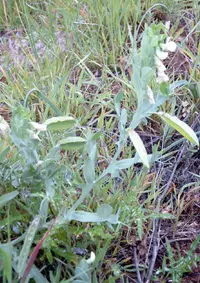
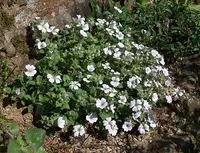
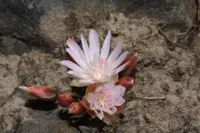
Chickweed baby's-breath, Acanthophyllum cerastioides, is a compact, mat-forming perennial often used in rock gardens and alpine troughs. It forms low cushions of small, grey-green leaves covered in starry white flowers in late spring to early summer.

This species comes from rocky, high-altitude habitats in Central and Western Asia, where it experiences strong light, sharp drainage, and cool conditions. Its alpine origin makes it sensitive to winter wet and poorly drained soils, which can cause root problems.

Gardeners who care for chickweed baby's-breath usually succeed when they provide full sun, gritty soil, and moderate moisture that dries slightly between waterings. Overall, it is not difficult but does require good drainage and protection from heavy, lingering moisture.

Main Plant Requirements

Care Difficulty

Moderate Care

Light Preference

Full Sun

Water Requirements

Low Water

Temperature Preference

Cold Hardy

Hardiness Zone

4–8

Soil Texture

Sandy, Loamy, Rocky

Soil pH

Slightly acidic (6.5–7.0), Neutral (7.0)

Soil Drainage

Well-drained

Fertilization

Minimal (feed rarely)

Get Personalized Care Plan

Scan your plant to receive care tips personalized for your specific plant

Available on iOS and Android

How to Care for the chickweed baby's-breath

This alpine perennial prefers strong light and thrives in cool, sunny positions.

  • Provide 6–8 hours of direct sun daily, ideally full morning sun with some protection from intense mid‑afternoon summer sun in hotter regions.
  • Plant chickweed baby's-breath in an open, unshaded spot; it tolerates light partial shade but may produce fewer, weaker flowers if sun drops below about 4 hours.
  • In very bright, hot climates, use light gravel mulch or neighboring low plants to reduce soil surface scorch and prevent foliage stress from reflected heat.

This species prefers dry, free-draining conditions and is sensitive to excess moisture.

  • Water only when the top 3–5 cm of soil feel completely dry, then soak thoroughly so water drains quickly away from the crown.
  • In spring and early summer, adjust watering based on weather: reduce or skip after cool, rainy periods and watch for limp, thin leaves as a sign of underwatering.
  • Use sharply drained, gritty soil or a rock garden bed to prevent standing water; yellowing, soft leaves or a rotting crown indicate overwatering in Acanthophyllum cerastioides.

This alpine cushion plant is cold-hardy but dislikes prolonged heat combined with humidity.

  • Active growth occurs best around 50–68°F (10–20°C), especially in cool springs and mild summers typical of alpine or rock garden settings.
  • Mature plants tolerate winter lows down to about 0°F (-18°C) with good drainage, though repeated freeze-thaw around the crown can increase rot risk.
  • In hotter areas, protect from extended temperatures above 85°F (29°C) by ensuring airflow and avoiding heat-reflecting walls or paving that raise root-zone temperatures.

This alpine cushion plant is adapted to dry air, so humidity is usually not a concern in typical homes or gardens.

  • Aim for 30–50% humidity, similar to average indoor air, without any special boosting measures.
  • Dry indoor heating rarely harms chickweed baby's-breath if soil moisture is kept consistent and roots do not dry out completely.
  • Humidity stress appears more from prolonged damp foliage and stagnant air, which can promote fungal spots; provide light airflow.

This species prefers very free-draining, mineral-rich soil that mimics rocky alpine slopes.

  • Use a gritty mix such as 50–60% coarse sand or fine gravel with 40–50% loam or sandy topsoil, keeping organic matter low.
  • Ensure sharp drainage; raised beds, rock crevices, or sloped sites help water run off quickly and prevent root rot.
  • Maintain slightly alkaline to neutral pH around 7.0–7.8; incorporate crushed limestone chips or a small amount of garden lime if soil is acidic.
  • For Acanthophyllum cerastioides in containers, increase aeration with extra grit or perlite and avoid water-retentive peat-heavy mixes.

This compact alpine species can be grown in containers, especially troughs and rock-garden planters.

  • Choose a wide, shallow container that matches its mat-forming habit, so roots spread horizontally without sitting in deep, wet soil.
  • Use heavy stone, clay, or concrete troughs outdoors to prevent tipping and to keep the gritty mix from overheating and drying too fast in sun.
  • Elevate the pot slightly on feet or tiles so drainage holes clear freely and meltwater or rain cannot pool under the container.

This alpine cushion plant needs only light feeding, as rich soil can cause weak, floppy growth in chickweed baby's-breath.

  • Use a low-dose, balanced NPK fertilizer (for example 5-5-5) or a thin layer of fine compost in spring.
  • Feed once at the start of active growth; a second light application in mid-season is enough in poor soils.
  • Apply at half the label-recommended strength to avoid salt buildup around the shallow roots.
  • Do not feed in late fall or winter, when growth is dormant.

Pruning needs for Acanthophyllum cerastioides are minimal and mainly aim to keep the cushion compact and tidy.

  • Best time is after flowering, once seed set is complete and stems begin to look untidy.
  • Snip off spent flower stalks and any dead or damaged shoots with clean, sharp scissors.
  • Lightly trim straggly outer stems to maintain a dense, low mound without cutting into old woody bases.
  • Avoid heavy pruning, which can leave bare patches that regrow slowly in this alpine species.

This species is usually grown in rock gardens or troughs and dislikes frequent disturbance, so transplant only when clearly needed.

  • Transplant or shift to a larger trough in early spring, just before new growth starts, for best recovery.
  • Look for roots circling the container, water running straight through, or stalled growth as signs it needs more space.
  • Lift the plant gently, keep the root ball intact, and avoid breaking the deep taproot to reduce stress.
  • Replant into a very free-draining gritty mix, water once to settle, then keep only slightly moist until growth resumes.

New plants are most reliably produced from seed, as division or cuttings can disturb the tight cushion of Acanthophyllum cerastioides.

  • Sow fresh seed in late winter–early spring in a gritty, well-drained seed mix.
  • Provide cool conditions and light exposure; some seed benefits from a cold period to trigger germination.
  • Keep the mix just barely moist, never wet, to prevent damping-off in seedlings.
  • Transplant young plants carefully to final positions once roots are established and several true leaves have formed.

Established plants are cold hardy in many temperate climates and usually need only basic winter care.

  • Tolerates freezing temperatures when planted in very free-draining soil that prevents waterlogging around roots.
  • Apply a light gravel or grit mulch around the crown to shed water and reduce freeze–thaw stress.
  • In wet, mild winters, use a simple rain cover or cold frame to keep the root zone drier.
  • Container-grown plants can be overwintered in a cold, bright, frost-free spot to avoid saturated, frozen compost.

Care Tips

Rock-crevice planting

Set plants into narrow rock crevices or between stable stones so the crown stays dry while roots access cool, moist pockets, which closely mimics its alpine habitat and greatly improves long-term survival.

Winter wet protection

In regions with mild, wet winters, place a clear, sloped rain shield over the clump to keep excess moisture off the crown while still allowing full light and air movement.

Grit top-dressing

After planting, apply a 1–2 cm layer of sharp grit or fine gravel around the crown to reduce crown rot, suppress moss growth, and stabilize the plant in heavy rain.

Controlled spreading

If the mat becomes congested, gently tease and replant small outer divisions in early spring to renew vigor and keep the cushion tight rather than letting it become woody and sparse in the center.

Alpine container setup

For container growing chickweed baby's-breath, use a clay pot with numerous drainage holes, fill the bottom 1–2 in with coarse grit, and sit the pot on pot feet so water clears quickly after rain or irrigation.

Common Pests and Diseases

Powdery mildew

This disease appears in humid, stagnant conditions and covers leaves and stems with a white, powdery film that can slow growth and reduce flowering.

Solution

Remove heavily infected shoots, avoid overhead watering, and increase airflow around plants with wider spacing and light pruning; in persistent cases, apply a sulfur or potassium bicarbonate fungicide labeled for ornamental perennials, following instructions carefully.

Crown rot

This disease develops when the crown area stays wet and poorly aerated, causing a brown, mushy base and sudden collapse of the plant, especially in heavy or compacted soils.

Solution

Dig out and discard affected plants, then improve drainage with raised beds or gritty, well-drained substrate; for new plantings, keep the crown slightly above soil level and avoid mulching tightly against the base to reduce moisture around the growing point.

Aphids

These insects cluster on young shoots and flower stems, sucking sap and causing distorted growth, sticky honeydew, and occasionally sooty mold on nearby surfaces.

Solution

Wash colonies off with a firm stream of water and remove heavily infested shoot tips; if needed, use insecticidal soap or a horticultural oil spray, applied in the cool part of the day and repeated as label directions specify to protect beneficial insects while managing the population.

Spider mites

This pest becomes a problem in hot, dry conditions, causing fine stippling on leaves, a dull or bronzed appearance, and delicate webbing between stems and foliage.

Solution

Increase humidity around the planting with more frequent but gentle rinsing, then spray foliage thoroughly with water to dislodge mites; in severe cases, apply a horticultural oil or miticide product labeled for ornamental plants, ensuring full coverage of the undersides of leaves and repeating as directed for effective Acanthophyllum cerastioides care.

Interesting Facts

Alpine cushion habit

This species naturally forms dense, low cushions in high-altitude scree and rocky slopes of the western Himalayas, an adaptation that protects buds and stems from wind, cold, and mechanical damage by moving gravel.

Hairy leaf surfaces

The small, opposite leaves are covered with fine hairs that help reduce water loss and shield tissues from intense ultraviolet radiation typical of its native high-mountain environment.

White-pink bicolored flowers

Its star-shaped flowers often show a contrast between white petals and a pink-tinged center, which is characteristic for this species within the genus Acanthophyllum and useful for field identification.

FAQs about chickweed baby's-breath

This species forms low, slowly spreading mats and is not considered aggressive. It expands gradually by short stems, staying where conditions suit it. In most gardens it behaves as a tidy rock-garden ground cover rather than a rampant spreader.

Grow Healthy Plants with Botan Care

Keep your plants happy and healthy with plant identification, disease detection, and easy care guidance.

Botan plant care app — identify plants on mobile

Explore More Plants