Targeted weed control
Hand-weed carefully around plants and use a narrow hoe between rows to reduce competition without disturbing the deep taproot, which can easily be damaged by rough cultivation.

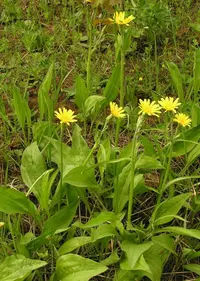
Scorzonera humilis, commonly called Viper's-grass, is a small, clump-forming perennial from the aster family. It produces narrow, grass-like leaves and solitary yellow, dandelion-like flower heads on short stems.
This species is native to nutrient-poor meadows and grasslands in parts of Europe, where it grows in open, often slightly moist but well-drained soils. Its modest size and slow spread make it suitable for naturalistic plantings and meadow-style gardens.
Once established, it is relatively undemanding but can be sensitive to heavy, waterlogged soil and strong root disturbance, which can make it a bit challenging for beginners to care for Viper's-grass.

Care Difficulty
Moderate Care

Light Preference
Full Sun

Water Requirements
Moderate Water

Temperature Preference
Cold Hardy

Hardiness Zone
4–7

Soil Texture
Sandy, Loamy, Silty

Soil pH
Acidic (5.5–6.5), Slightly acidic (6.5–7.0)

Soil Drainage
Well-drained

Fertilization
Minimal (feed rarely)
Scan your plant to receive care tips personalized for your specific plant
Available on iOS and Android
Scorzonera humilis prefers bright, open conditions but not intense, all-day summer sun.
Scorzonera humilis prefers evenly moist, not soggy, soil that never stays waterlogged.
This species is a cool-temperate perennial that copes well with moderate cold but dislikes extreme heat.
Humidity has little influence on Scorzonera humilis performance when grown outdoors in typical temperate climates.
Scorzonera humilis grows best in loose, deep, consistently moist but well-drained soil that allows straight, unobstructed root development.
This species is suitable for container culture only when deep, root-friendly conditions can be provided.
Scorzonera humilis is a low-demand feeder, but light nutrition supports steady growth and flowering in cultivated beds or containers.
Scorzonera humilis needs only light pruning to stay tidy and support flowering performance.
This taprooted perennial dislikes disturbance, so transplanting Scorzonera humilis should be infrequent and carefully planned.
Propagation of Scorzonera humilis is mainly done from seed, as the pronounced taproot makes division unreliable.
This species is generally cold hardy in temperate climates and needs only modest winter care once established.

Plant Health Check
Not sure what's wrong with your plant? Check your plant's health inside the app.
This species flowers relatively late in spring in its native European range, often after many early meadow species have finished, which helps extend nectar availability for bees and other pollinators.
It is typically found on neutral to calcareous grasslands and pastures, showing a strong preference for soils with higher calcium content and relatively low nutrient enrichment.
Populations have declined in parts of northwestern and central Europe as traditional hay meadows and lightly grazed pastures have been converted, fertilized, or abandoned, making it a local conservation concern in some regions.
The roots and young leaves are traditionally considered edible and have been used as a vegetable in some European regions. Only harvest from clean, pesticide-free sites and avoid confusing it with similar but unsafe wild species.
Keep your plants happy and healthy with plant identification, disease detection, and easy care guidance.