rosepink Care (Sabatia angularis)

rosepink

About rosepink

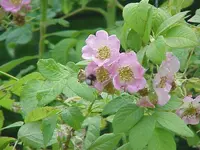
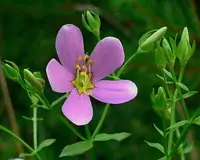
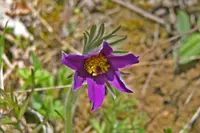
Rosepink, Sabatia angularis, is a short-lived native wildflower grown mainly for its bright, star-shaped pink blooms with yellow centers. It usually grows as an upright, slender plant and works well in naturalistic borders, meadows, and pollinator gardens.

This species occurs naturally in eastern and central North America, often in open fields, prairies, and roadsides with good drainage. It can be somewhat short-lived, so gardeners often let it reseed for ongoing displays.

Sabatia angularis prefers full sun, evenly moist but well-drained soil, and low to moderate fertility. With the right site and light, it is relatively easy to care for rosepink.

Main Plant Requirements

Care Difficulty

Moderate Care

Light Preference

Full Sun

Water Requirements

Regular Water

Temperature Preference

Cold Hardy

Hardiness Zone

4–8

Soil Texture

Sandy, Loamy, Silty

Soil pH

Acidic (5.5–6.5), Slightly acidic (6.5–7.0)

Soil Drainage

Moist but well-drained

Fertilization

Minimal (feed rarely)

Get Personalized Care Plan

Scan your plant to receive care tips personalized for your specific plant

Available on iOS and Android

How to Care for the rosepink

This North American wildflower prefers bright, open conditions to bloom well.

  • Provide full sun for 6–8 hours per day; light afternoon shade is helpful in hotter southern climates to prevent leaf scorch.
  • Tolerates light partial shade (around 3–4 hours of direct morning sun) but flowering of rosepink will decrease as shade increases.
  • Avoid dense shade, which causes weak, elongated stems and few flowers, and watch for leaf yellowing or leaning toward brighter areas as signs of insufficient light.

This species prefers consistently moist, but not saturated, soil during its active growing season.

  • In garden beds, water when the top 2–3 cm of soil feels dry, aiming for deep soaking rather than frequent light sprinkling.
  • Use well-drained, sandy or loamy soil so excess water can drain within a few hours, reducing root rot risk in Sabatia angularis.
  • During hot, dry periods, monitor for wilting or dull, limp foliage as a sign to water, and for yellowing, mushy stems as a sign of overwatering.

This short-lived perennial or biennial grows best in mild to warm outdoor conditions.

  • Optimal growth occurs around 65–80°F (18–27°C), typical of late spring and summer in many temperate regions.
  • Tolerates brief drops near 30°F (-1°C) once established, but hard frost below 28°F (-2°C) can damage foliage and young plants.
  • Handles summer heat up to about 90°F (32°C) if soil moisture is maintained; extended hotter spells increase stress and may shorten flowering.

This species handles a wide humidity range and usually does not need humidification outdoors.

  • Target 40–60% humidity, which is typical outdoor air in most temperate regions during the growing season.
  • Rosepink tolerates short dry spells but may show crisp leaf tips and slower growth in very arid, hot wind exposure.
  • In unusually dry microclimates, increase humidity slightly by grouping plants and providing a light mulch to moderate moisture loss at soil level.

Sabatia angularis prefers moderately moist, well-drained, lean mineral soils rather than rich, heavy mixes.

  • Use a sandy or loamy structure with 30–50% coarse sand or fine grit to keep pores open and prevent waterlogging.
  • Aim for slightly acidic to neutral pH around 6.0–7.0; avoid strongly alkaline or salty substrates that restrict nutrient uptake.
  • For container or bed preparation, mix equal parts native soil, washed sand, and a modest amount of fine compost for stability and drainage.
  • Avoid compacted clay, peat-heavy, or continuously wet media, which reduce aeration and encourage root rot and weak, leggy growth.

This species can be grown in containers if the pot is set up to drain rapidly and avoid saturated roots.

  • Choose a pot at least 20–25 cm deep so the taproot can develop without curling tightly at the base.
  • Select a relatively heavy or wide-based container to resist tipping as the tall flowering stems sway in wind.
  • Use a very free-draining mix and raise the pot slightly on feet or bricks so drainage holes never sit in standing water.

Sabatia angularis grows in low-nutrient soils and needs only light, targeted feeding for best flowering in cultivation.

  • Use a balanced, low-strength liquid fertilizer (for example 10-10-10) at 1/4–1/2 label strength during active growth in late spring–mid summer.
  • Apply every 4–6 weeks while plants are flowering; avoid heavy, frequent feeding, which encourages weak, lush growth.
  • In native-style plantings, a thin layer of compost in early spring is usually enough for caring for rosepink.
  • Stop fertilizing in late summer and do not feed during winter dormancy to prevent soft, cold-sensitive growth.

Pruning needs for Sabatia angularis are minimal and focused on tidiness and seed control.

  • Best timing is late fall or very early spring, after stems have died back and seeds have matured if desired.
  • Use clean scissors or hand pruners to remove dead, damaged, or disease-marked stems at the base.
  • Lightly trim spent flowering stems during bloom season if self-seeding needs reduction or a neater outline is preferred.
  • Avoid heavy cutting into actively growing green tissue, which can reduce flowering and stress short-lived plants.

This species is usually grown in garden beds or wildflower meadows, so transplanting is more common than repotting.

  • Transplant seedlings or young plants in early spring or early fall, when temperatures are mild and soil stays evenly moist.
  • Move plants if growth stalls, flowering declines, or roots circle inside a nursery pot, usually after 1 growing season.
  • Lift with a generous soil clump to keep roots intact, handle the root ball gently, and set at the same soil depth in the new site.
  • Water thoroughly after transplanting, then keep soil lightly moist for 1–2 weeks to reduce transplant shock and support root reestablishment.

Sabatia angularis is most often propagated from seed, which aligns well with its short-lived, meadow-style growth habit.

  • Sow fresh seed in late fall outdoors or very early spring to allow natural cold stratification, which improves germination.
  • Use a well-draining, low-fertility seed mix and press seed onto the surface, as light aids germination.
  • Keep the medium evenly moist but not waterlogged at 60–70°F until seedlings establish several true leaves.
  • Transplant seedlings carefully to final positions, avoiding root damage, and maintain consistent moisture during the first growing season.

In much of its native range, Sabatia angularis is fairly cold tolerant and usually needs little winter attention in the ground.

  • In climates colder than its typical range, add a light 2–5 cm mulch layer after the ground cools to buffer freeze–thaw cycles.
  • Do not pile mulch directly against stems; leave a small gap to reduce rot risk.
  • Move container-grown plants into a sheltered, unheated but frost-free location, with soil kept just barely moist.

Care Tips

Support Tall Stems

In exposed or windy sites, insert discreet twiggy branches or low wire hoops around young plants so the slender flowering stems stay upright and avoid lodging as they elongate.

Encourage Self‑Seeding

Leave a portion of spent flower heads on the plant until the seed capsules dry and begin to split, then gently shake or crumble them over bare patches of soil to help grow Sabatia angularis as a short‑lived self‑renewing wildflower colony.

Companion Plant Buffer

Plant low native grasses or small perennials nearby to act as living mulch that shades the soil surface, moderates temperature swings, and reduces weed pressure without casting dense shade on the rosepink.

Controlled Disturbance

Each late winter or very early spring, lightly rake or scuff the soil surface around established clumps to mimic natural disturbance and create fine seed‑bed conditions that promote new volunteer seedlings.

Minimal Transplant Handling

When moving seedlings into the garden, transplant at the small rosette stage using deep cells or plugs, and disturb the root ball as little as possible since this species resents rough handling and often stalls if roots are damaged.

Common Pests and Diseases

Leaf miners

This pest lives inside the leaf tissue and creates winding, pale tunnels across the blades. Symptoms include distorted foliage and reduced vigor on stressed or crowded plants.

Solution

Remove and destroy mined leaves as soon as damage appears and thin surrounding vegetation to reduce host density. For persistent problems, use a neem oil or spinosad spray targeted to the foliage, applied in the evening to avoid pollinators, and keep plants well watered during dry spells so they tolerate minor damage.

Aphids

These insects cluster on tender stems and flower buds, sucking sap and excreting sticky honeydew that can attract sooty mold. Symptoms include curled or misshapen new growth and stunted flowering.

Solution

Dislodge colonies with a firm stream of water and pinch off heavily infested tips. If needed, apply insecticidal soap or neem oil to the stems and the undersides of leaves every 5–7 days until populations drop, and limit high-nitrogen fertilizer that encourages soft, aphid-prone growth.

Powdery mildew

This disease produces a white, dusty coating on leaves and stems, often appearing late in the growing season on plants in partial shade or with poor air movement. Symptoms include yellowing, premature leaf drop, and reduced flowering.

Solution

Increase airflow by spacing plants properly and removing dense surrounding growth, and water at soil level to keep foliage dry. Remove and discard heavily infected leaves, then treat remaining foliage with a sulfur or potassium bicarbonate fungicide labeled for ornamental perennials, starting at the first sign of disease.

Interesting Facts

Annual yet long-blooming

Although typically an annual, this species often flowers continuously from early summer into fall, producing new blooms as older ones fade and creating a long nectar window for insects.

Specialist pollinator visitors

The pink, star-shaped flowers attract a range of native bees and butterflies, and some solitary bees show a strong preference for its nectar compared to neighboring wildflowers.

Acidic, open-habitat specialist

In the wild, this plant is most often found in open, sunny habitats with acidic, low-fertility soils such as barrens, glades, and disturbed roadsides, where competition from taller vegetation is reduced.

Botan icon

Did you know?

The species name angularis refers to the distinct, sharply angled stems, which make the plant easy to distinguish from many other pink-flowered wild species in the gentian family.

FAQs about rosepink

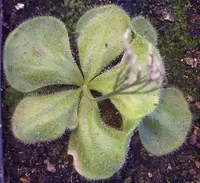
This species behaves as a biennial or short-lived perennial in many gardens. It often forms a basal rosette the first year, then flowers and sets seed the second year, sometimes persisting slightly longer in ideal conditions.

Grow Healthy Plants with Botan Care

Keep your plants happy and healthy with plant identification, disease detection, and easy care guidance.

Botan plant care app — identify plants on mobile

Explore More Plants