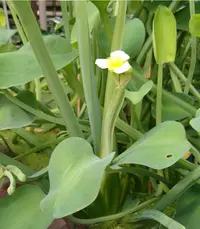
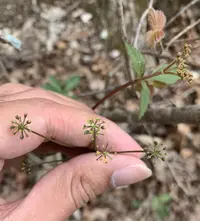
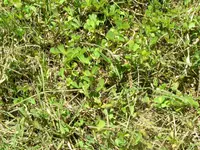
Plymouth rose gentian Care (Sabatia kennedyana)

Also known as: Plymouth Gentian
Plymouth rose gentian

About Plymouth rose gentian

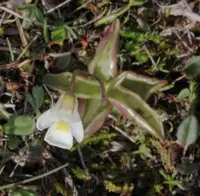
Plymouth rose gentian (Sabatia kennedyana) is a small, herbaceous perennial wildflower native to coastal plain wetlands in the northeastern United States and eastern Canada. It typically grows in sunny, open shorelines and gently sloping sandy or peaty soils.

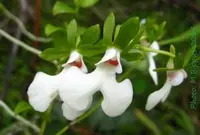
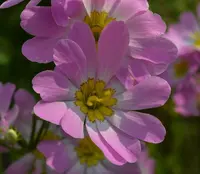
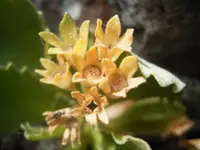
The plant forms upright stems with narrow leaves and striking star-shaped pink flowers with a yellow center, usually blooming in late summer. Its growth is often patchy, following natural water level changes.

This species prefers consistently moist to wet conditions, full sun, and low-competition sites, which can make cultivation challenging outside its natural habitat. Gardeners who want to learn how to care for Plymouth rose gentian need to focus on stable moisture, low nutrients, and avoiding root disturbance.

Main Plant Requirements

Care Difficulty

Hard Care

Light Preference

Full Sun

Water Requirements

Aquatic

Temperature Preference

Cool Climate

Hardiness Zone

3–7

Soil Texture

Sandy, Silty, Organic-rich

Soil pH

Acidic (5.5–6.5)

Soil Drainage

Waterlogged tolerant

Fertilization

Minimal (feed rarely)

Get Personalized Care Plan

Scan your plant to receive care tips personalized for your specific plant

Available on iOS and Android

How to Care for the Plymouth rose gentian

This wetland perennial needs abundant light to flower well without drying its roots.

  • Provide 6–8 hours of full sun daily, ideally with morning sun and light afternoon shade to protect delicate petals from scorching in midsummer.
  • Tolerates bright, open conditions but declines in deep shade, showing weak, leggy stems and fewer blooms when light drops below about 4 hours.
  • In natural sites, Plymouth rose gentian grows at pond and lake margins, where seasonal sun angles shift but plants still receive mostly unobstructed light.

This species is adapted to consistently wet, even saturated, soils rather than periodic drying.

  • In garden or restoration settings, keep the root zone constantly moist; do not allow the top 1–2 cm of soil to dry out, especially during active growth and flowering.
  • Ideal sites mimic shallow shorelines or bog edges with slow-draining, organic soil where standing water may cover the crown briefly but does not stagnate for long periods.
  • Overwatering in dense, stagnant substrates shows as yellowing, limp foliage and root rot smell, while underwatering causes drooping, crisp leaf edges and rapid bud drop in Sabatia kennedyana.

This plant is naturally adapted to cool to warm temperate climates with distinct seasons.

  • Best growth occurs around 65–80°F (18–27°C), with strong vegetative growth in late spring and flowering as temperatures warm but soils stay cool and moist.
  • Tolerates summer heat up to about 86°F (30°C) if root zones remain saturated and air humidity is moderate; drying soils under the same heat quickly stress plants.
  • Hardy to roughly 20–25°F (-6 to -4°C) once established but sensitive to hard freezes without insulating snow; repeated frost-heave in exposed, shallow soils can damage crowns.

This wetland perennial prefers consistently moist air but adapts if roots stay saturated.

  • Aim for 50–70% humidity, matching the damp habitats where Plymouth rose gentian naturally grows.
  • Leaf edge browning or stunted buds during hot, dry spells can indicate low humidity stress.
  • Increase local humidity by grouping pots near shallow water trays without letting the container sit directly in standing water.

This species thrives in saturated, oxygen-poor substrates that mimic boggy shorelines.

  • Use a fine-textured, peat- or coir-heavy mix with sand, such as 60% peat/coir and 40% sand, to hold water yet resist compaction.
  • Sabatia kennedyana tolerates slightly acidic conditions, around pH 5.0–6.5, typical of organic wetland soils.
  • Grow it in containers or beds designed to stay waterlogged or with only very slow drainage; do not allow the root zone to dry out.
  • Avoid chunky bark-based mixes, high-perlite blends, or raised spots that drain quickly, which deprive roots of the constant saturation they require.

This species can be grown in containers when the setup allows permanently wet conditions.

  • Choose a deep, stable pot that can sit in a water tray or basin so the lower root zone remains submerged without tipping.
  • Use a heavy, non-porous container material, such as glazed ceramic, to reduce evaporation and keep the saturated substrate from drying at the sides.
  • Drill or use elevated side holes instead of only bottom holes so the pot can hold a standing water column while still preventing overflow during heavy rain.

Sabatia kennedyana is adapted to low-nutrient wetland soils and needs only light, careful feeding in cultivation.

  • Use a dilute balanced liquid fertilizer (around 10-10-10) at 1/4–1/2 strength for container plants during active growth.
  • Apply every 4–6 weeks in late spring through mid-summer, never onto dry soil to avoid root burn.
  • Avoid heavy compost or rich slow-release products, which can cause weak, lush growth and fewer flowers.
  • Stop feeding in late summer so plants harden off naturally and enter dormancy without soft, frost-sensitive tissue.

Pruning needs for Sabatia kennedyana are minimal and focus on cleanliness rather than shaping.

  • In late fall or very early spring, remove dead, diseased, or storm-damaged stems with clean, sharp scissors or hand pruners.
  • Deadhead spent flower stalks during bloom to reduce seed set and encourage a tidier appearance.
  • Avoid cutting green, healthy stems hard to the base, as this can reduce flowering density and stress plants.
  • Disinfect tools before and after use in wetland plantings to limit movement of fungal and bacterial pathogens.

This wetland species is usually grown in-ground, so attention focuses on careful transplanting rather than frequent repotting.

  • Transplant Sabatia kennedyana in early spring or early fall, when temperatures are mild and soil moisture is high.
  • Move clumps only when growth slows, flowering declines, or roots tightly fill a bog container with circling roots.
  • Lift plants with a generous soil plug, keep roots constantly moist, and replant at the same depth in saturated, low-nutrient substrate.
  • Water thoroughly after transplanting, shade lightly for 3–5 days, and avoid disturbing the root zone while new fine roots establish.

This species is most reliably propagated from seed, with some success from careful division in managed wetland gardens.

  • Collect ripe seed in late summer, then sow on the surface of moist, acidic, low-nutrient mix; light aids germination.
  • Maintain cool to mild temperatures around 60–70°F and constant moisture, never letting the seed tray dry out.
  • In early spring, divide only robust clumps, keeping divisions small, with intact root-soil blocks to limit shock.
  • Harden off young plants gradually outdoors in sheltered, consistently damp sites before planting into permanent wetland beds.

In its native range, Sabatia kennedyana is generally cold hardy and needs little active winter care in the ground.

  • In exposed sites, apply a thin 2–5 cm mulch of fine bark or leaf litter around crowns, keeping material off stems.
  • Ensure wetland or bog containers stay moist but not ice-locked solid for long periods, which can damage roots.
  • Move containers to a cold, bright, frost-free or slightly sheltered spot in regions with prolonged hard freezes.

Care Tips

Aquatic pot collars

If establishing plants in artificial ponds or lined wetlands, use perforated aquatic plant baskets or collars filled with clean sand to anchor roots and keep crowns at the correct shallow water depth during early establishment.

Gradual water shifts

When adjusting water depth seasonally, change levels in small 2–3 cm steps over several days so roots and oxygen-sensitive stems have time to adapt and do not rot or dry out suddenly.

Companion vegetation control

Periodically hand-pull or cut back taller, aggressive shoreline plants around the clumps so they do not shade out rosettes or compete heavily for oxygen and nutrients in the shallow substrate.

Seed pod management

Allow some flower stems to ripen and release seed in situ to thicken the stand, but deadhead the rest after bloom to reduce energy loss and maintain a compact, floriferous colony when growing Plymouth rose gentian in designed plantings.

Ice and debris protection

Before winter in colder climates, remove heavy leaf litter and floating debris from around plants so ice movement and decomposing material do not crush crowns or create low-oxygen conditions at the sediment surface.

Common Pests and Diseases

Leaf spot

This disease causes small water-soaked or brown lesions on the narrow leaves, which may coalesce under warm, humid conditions common in shallow shoreline pools.

Solution

Remove and dispose of heavily spotted leaves to reduce inoculum, avoid overhead watering in garden settings, and keep water and debris from splashing soil onto foliage; if problems persist in cultivated beds, apply a copper-based fungicide labeled for ornamental perennials, following label directions carefully.

Powdery mildew

This disease appears as a white or grayish powdery film on leaves and stems, often developing where airflow is poor around dense stands or container-grown plants.

Solution

Improve air circulation by thinning crowded stems or spacing plants more widely, avoid wetting foliage late in the day, and prune out badly affected tissue; in persistent cases, use a sulfur or potassium bicarbonate fungicide labeled for ornamentals as part of broader Sabatia kennedyana care instructions.

Aphids

These insects cluster on young stems and flower buds, sucking sap and causing distortion, sticky honeydew, and occasionally sooty mold on foliage.

Solution

Wash colonies off gently with a firm stream of water, pinch off or discard heavily infested shoot tips, and introduce or conserve natural predators such as lady beetles; for recurring infestations, use an insecticidal soap or horticultural oil spray, ensuring thorough coverage of stems and leaf undersides.

Leaf-mining larvae

This pest creates pale, winding tunnels inside the narrow leaves, which can reduce photosynthesis and weaken plants that already grow in nutrient-poor, saturated sand or peat.

Solution

Remove and destroy mined leaves as soon as damage appears to interrupt the larvae’s life cycle, and keep plants vigorous with stable moisture and moderate nutrition; if infestations are heavy in cultivated populations, use a systemic insecticide specifically labeled for leaf miners on ornamental plants and follow label guidance strictly.

Stem canker

This disease produces dark, sunken lesions on lower stems near the waterline, sometimes leading to wilting and dieback of individual shoots in dense shoreline clumps.

Solution

Cut out and discard affected stems at least 2–3 cm below visible lesions, disinfect cutting tools between plants, and avoid injuring stems during maintenance; improve drainage slightly in artificial plantings and avoid chronic water stagnation, and where loss is severe, replant into a fresh site using only healthy stock.

Interesting Facts

Habitat specialist

This species is restricted to seasonally flooded shorelines of coastal plain ponds and lakes in the northeastern United States and Nova Scotia, where it grows in open, sandy or peaty soils exposed by fluctuating water levels.

Threatened range plant

It is listed as threatened or endangered in several US states because of shoreline development, altered water regimes, and recreational impacts that disturb its narrow band of suitable habitat.

Pollination and seed bank

The showy pink flowers are visited by a variety of native bees that transfer pollen between plants, and its seeds form a persistent soil seed bank that allows populations to reappear after periods when adults are scarce.

Botan icon

Did you know?

Sabatia kennedyana is considered a classic example of a coastal plain disjunct, with populations split between the mid-Atlantic and New England coastal plain in the United States and an isolated outpost in Nova Scotia, illustrating how historical climate and shoreline changes fragmented a once more continuous distribution.

FAQs about Plymouth rose gentian

Lack of flowering often comes from plants being too young, shaded, or stressed by fluctuating water levels. Stable moisture, full sun, and avoiding root disturbance usually improve bud formation and support reliable late-summer blooms.

Grow Healthy Plants with Botan Care

Keep your plants happy and healthy with plant identification, disease detection, and easy care guidance.

Botan plant care app — identify plants on mobile

Explore More Plants