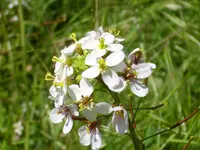
Chinese hound's tongue Care (Cynoglossum amabile)

Also known as: Chinese forget-me-not, Purple Hounds Tongue
Chinese hound's tongue

About Chinese hound's tongue

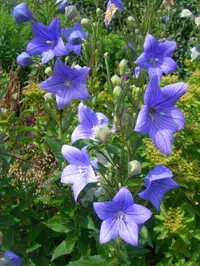
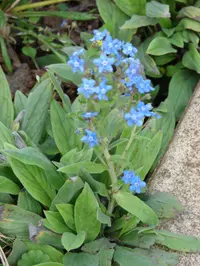
Chinese hound's tongue (Cynoglossum amabile) is a short-lived annual or biennial flowering plant grown mainly for its small, sky-blue blooms. It forms loose, branching clumps topped with clusters of starry flowers above soft, slightly hairy leaves.

The species is native to rocky slopes and open areas in China but is now cultivated as a garden ornamental in many temperate regions. Gardeners often care for Chinese hound's tongue as an easy bedding or cottage-garden plant.

It is generally straightforward to grow when provided with full sun to light shade, moderate moisture, and well-drained soil. Its quick growth and reliable flowering make it suitable for borders, wildlife gardens, and informal plantings.

Main Plant Requirements

Care Difficulty

Moderate Care

Light Preference

Full Sun

Water Requirements

Moderate Water

Temperature Preference

Cool Climate

Hardiness Zone

3–8

Soil Texture

Sandy, Loamy, Silty

Soil pH

Acidic (5.5–6.5), Slightly acidic (6.5–7.0)

Soil Drainage

Well-drained

Fertilization

Minimal (feed rarely)

Get Personalized Care Plan

Scan your plant to receive care tips personalized for your specific plant

Available on iOS and Android

How to Care for the Chinese hound's tongue

This annual prefers bright conditions but not harsh, all-day sun.

  • Provide 4–6 hours of direct morning sun with light afternoon shade; east or southeast exposure suits Chinese hound's tongue best in most climates.
  • In hot summers, protect from strong midday sun with dappled or filtered light to prevent leaf scorch and shortened blooming period.
  • In cooler regions, full sun is tolerated, but in shade of more than 6–7 hours daily, plants grow leggy and produce fewer flowers.

This plant needs steady moisture in well-drained soil without becoming waterlogged.

  • Water when the top 2–3 cm of soil feels dry, soaking the root zone, then let excess drain away to reduce root rot risk for Cynoglossum amabile.
  • During active growth and flowering in spring–early summer, check soil every 2–3 days in warm, windy weather, as shallow roots dry faster.
  • Reduce watering slightly in cool or rainy periods; wilting with dry soil indicates underwatering, while yellowing, limp foliage in damp soil suggests overwatering.

This cool-season annual grows best in mild, temperate conditions.

  • Aim for 55–70°F (13–21°C) for strongest growth and flowering, especially during spring and early summer.
  • Plants tolerate down to about 25–28°F (-4 to -2°C) once hardened, but repeated hard frosts can damage foliage and shorten their life span.
  • In hot climates, flowering declines above 80–85°F (27–29°C); provide afternoon shade and consistent moisture during heat waves to reduce stress.

This species grows best in moderate humidity and usually adapts well to typical indoor air.

  • Aim for 40–60% relative humidity; values much lower can slow growth and cause leaf-edge browning.
  • Chinese hound's tongue tolerates brief dry air, but prolonged exposure near heaters or vents increases leaf scorch risk.
  • Increase humidity locally with a nearby humidifier or grouping plants, rather than misting, which adds little lasting moisture.

Cynoglossum amabile prefers loose, well-drained, moderately fertile soil that does not stay wet.

  • Use a light loamy mix made from 2 parts peat-free compost, 1 part coarse sand, and 1 part perlite for structure and drainage.
  • Ensure water drains within a few minutes after watering; standing water or heavy clay encourages root rot and weak growth.
  • Keep pH slightly acidic to neutral (6.0–7.0); add a small amount of compost or leaf mold to support steady growth without excessive lush foliage.
  • Improve aeration by incorporating coarse particles (perlite, grit, or fine bark), and avoid compacted or highly organic mixes that stay soggy.

This species grows reliably in containers if the pot and drainage are chosen carefully.

  • Select a pot at least 20–25 cm deep so the taproot can develop without curling tightly at the base.
  • Choose a lightweight plastic pot if frequent drying is a problem, or unglazed terracotta if you need extra evaporation in wet climates.
  • Place the container where wind exposure is reduced, as the relatively shallow root system in pots makes stems more prone to wind rock.

Cynoglossum amabile is a light feeder that benefits from modest nutrition in poor soils during its active season.

  • Use a balanced, water-soluble fertilizer (around 10-10-10) diluted to 1/2 strength for Chinese hound's tongue in pots or very lean beds.
  • Feed every 4–6 weeks in spring and early summer, skipping applications once flowering declines.
  • On richer garden soils, use a thin layer of compost in spring instead of synthetic products.
  • Stop feeding in late summer and avoid winter fertilizer to prevent soft, frost-prone growth.

Pruning Cynoglossum amabile is mainly about tidiness and prolonging flowering rather than shaping a long-lived shrub.

  • In late spring and through summer, shear or pinch back spent flower stems to encourage new blooms and a denser form.
  • Remove any dead, diseased, or storm-damaged stems as soon as seen using clean, sharp scissors or hand pruners.
  • Thin crowded stems lightly at the base to improve airflow and reduce foliar disease risk.
  • At season’s end, cut plants to the ground after frost if self-seeding is not desired.

This species is usually grown as a seasonal bedding or meadow plant, so transplanting timing is more important than frequent repotting.

  • Transplant Cynoglossum amabile outdoors in early to mid-spring after hard frosts have passed and seedlings have 2–3 true leaves.
  • In containers, consider shifting up only once when roots circle the drainage holes or growth slows despite good care.
  • Move plants into slightly larger pots with fresh, well-drained mix, disturbing roots as little as possible.
  • Water thoroughly after transplanting and shade lightly for 2–3 days to limit transplant shock and wilting.

Cynoglossum amabile is most commonly propagated by seed, which germinates reliably under cool, bright conditions.

  • Sow fresh seeds in late winter to early spring, 6–8 weeks before the last expected frost, indoors or in a cold frame.
  • Use a light, well-drained seed-starting mix and barely cover seeds, as some light improves germination.
  • Maintain 60–68°F and steady moisture, avoiding waterlogging; germination usually occurs within 2–3 weeks.
  • Harden off seedlings gradually outdoors before planting, introducing them to sun and cooler air over 7–10 days.

Cynoglossum amabile is typically treated as a cool-season annual and usually needs minimal winter care.

  • In mild climates, late-sown plants may overwinter; apply a light mulch (2–5 cm) to buffer freeze–thaw cycles.
  • Container-grown plants in colder zones can be moved to a sheltered, frost-free porch or unheated garage with bright light.
  • Remove dead, mushy foliage after hard frosts to reduce disease carryover into the next sowing season.

Care Tips

Timed succession sowing

Stagger sowing every 2–3 weeks in early spring so new plants replace older ones as they tire, keeping flowering continuous through the season when growing Chinese hound's tongue.

Pinch for bushiness

When young plants have 3–4 true leaf pairs, pinch out the main tip once to encourage branching and produce more flowering stems instead of one tall, weak spike.

Targeted staking support

In windy or exposed beds, insert thin stakes and loosely tie taller stems before they lean, which reduces lodging and stem breakage while keeping blooms upright and visible.

Deadhead with precision

Remove spent flower clusters just above a healthy leaf node before seed sets to extend the bloom period, but leave a few late-season heads if self-seeding is desired in that area.

Powdery mildew management

Space plants at the recommended distance and remove the lowest, most crowded leaves if air movement is poor, which helps limit powdery mildew and keeps foliage cleaner late in the season.

Common Pests and Diseases

Powdery mildew

This disease causes white, powdery fungal growth on leaves, stems, and flower stalks, which can lead to distortion and early leaf drop. Symptoms include reduced vigor and poor flowering in warm, dry conditions with poor air circulation.

Solution

Remove and discard heavily infected leaves to reduce spore spread, then improve spacing and airflow around plants and avoid overhead watering. If needed, apply a sulfur or potassium bicarbonate fungicide labeled for ornamentals at the first sign of infection, repeating as directed during humid or crowded conditions as part of general Cynoglossum amabile care.

Leaf spot

This disease produces small brown, tan, or black spots on leaves, often with yellow halos and sometimes coalescing into larger dead patches. Symptoms include premature leaf drop and a generally weakened plant in extended wet or humid weather.

Solution

Prune and dispose of affected leaves and any fallen plant debris, and water at the base in the morning so foliage dries quickly. In persistent cases, use a copper-based or chlorothalonil fungicide labeled for ornamental leaf spots, and rotate planting areas yearly to reduce pathogen buildup.

Aphids

These insects cluster on young stems, buds, and the undersides of leaves, sucking sap and causing curling, distortion, and sticky honeydew that can attract sooty mold. This pest can also weaken plants and interfere with flowering when populations are high.

Solution

Wash colonies off with a firm stream of water and pinch off heavily infested shoot tips if practical. For continued management, use insecticidal soap or a light horticultural oil, ensuring thorough coverage of leaf undersides and repeating every 5–7 days until populations drop.

Leaf-mining larvae

This pest creates pale, winding tunnels or blotches inside leaves as larvae feed between the leaf surfaces. Symptoms include cosmetic damage and, in heavier infestations, reduced photosynthesis and general stress to the plant.

Solution

Remove and discard mined leaves as soon as damage is noticed to physically remove larvae and limit spread. In gardens with repeated problems, use floating row covers early in the season to exclude egg-laying adults, or apply a systemic insecticide labeled for leaf miners according to label directions if damage becomes severe.

Spider mites

These pests are tiny arachnids that thrive in hot, dry weather and cause fine stippling, bronzing, and eventual leaf drying, often with delicate webbing on the undersides. Symptoms include dull, dusty-looking foliage and reduced vigor, especially in container or indoor situations.

Solution

Increase humidity around plants and regularly hose down foliage, focusing on leaf undersides to dislodge mites. For ongoing infestations, use insecticidal soap or horticultural oil applied thoroughly and repeatedly, and remove the most damaged leaves to encourage fresh, healthy growth.

Interesting Facts

Short-lived alpine annual

This species is a short-lived annual native to rocky slopes and open habitats in the Himalayas and western China, where it completes its entire life cycle quickly in cool mountain summers.

Sky-blue corolla color

Its flowers show a characteristic clear sky-blue color with a small white eye, which comes from pigments called anthocyanins that are expressed in a way typical for some Boraginaceae but less common in many garden annuals.

Self-seeding escape artist

The plant forms small rough nutlets that cling weakly to soil and debris, allowing local self-seeding in disturbed ground, which is why it can persist in the same site for several years in temperate gardens despite being an annual.

Botan icon

Did you know?

Although commonly grown as an ornamental, this species has been recorded as a casual or transient alien in several regions outside its native range, where it occasionally appears along railways, waste ground, and disturbed urban soils but usually fails to form stable, long-term wild populations.

FAQs about Chinese hound's tongue

Lack of flowers usually comes from insufficient light, too much nitrogen fertilizer, or heat stress. Ensure full sun to light shade, moderate feeding, and avoid overcrowding so air circulates well. Deadhead spent blooms to encourage continued flowering.

Grow Healthy Plants with Botan Care

Keep your plants happy and healthy with plant identification, disease detection, and easy care guidance.

Botan plant care app — identify plants on mobile

Explore More Plants