Anisotome pilifera Care

Anisotome pilifera

About Anisotome pilifera

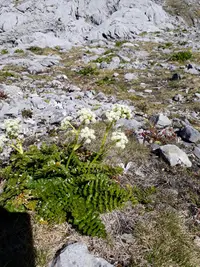
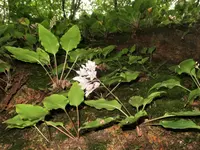
Anisotome pilifera is a small, rosette-forming perennial from the carrot family, native to alpine and subalpine regions of New Zealand. It typically grows low to the ground with finely divided, fern-like foliage and wiry stems bearing clusters of small, pale flowers.

This species is adapted to cool, windy, high-altitude conditions and prefers free-draining, gritty soils. It can be slow to establish and is sensitive to heat and excess moisture, which makes cultivation outside cool climates more challenging.

Gardeners who want to care for Anisotome pilifera usually need to provide bright light, good air movement, and protection from prolonged summer warmth and humidity.

Main Plant Requirements

Care Difficulty

Hard Care

Light Preference

Partial Sun

Water Requirements

Moderate Water

Temperature Preference

Cool Climate

Hardiness Zone

7–9

Soil Texture

Loamy, Rocky, Organic-rich

Soil pH

Acidic (5.5–6.5)

Soil Drainage

Moist but well-drained

Fertilization

Minimal (feed rarely)

Get Personalized Care Plan

Scan your plant to receive care tips personalized for your specific plant

Available on iOS and Android

How to Care for the Anisotome pilifera

This alpine species prefers bright, cool conditions with protection from harsh midday sun.

  • Provide 4–6 hours of gentle light, such as morning sun with afternoon shade, or bright open shade beside rocks or low shrubs.
  • Tolerates partial shade, but in deep shade foliage becomes sparse and floppy, and flowering is reduced.
  • In hot summers, use filtered light or a light shade cloth to prevent leaf scorch and drying winds, especially on north- or east-facing slopes.

Moist, free-draining soil is important to prevent root problems in this species.

  • Water when the top 2–3 cm of soil feel just dry, aiming for consistently moist but never saturated soil around the root zone.
  • In spring and summer, monitor more often during dry spells; reduce watering in cool, wet seasons to avoid standing water around the crown.
  • Signs of overwatering include yellowing, limp foliage and blackened crown; curling, crisp leaf tips and slowed growth indicate the plant is too dry.

This plant is adapted to cool, mountainous climates and dislikes prolonged heat or severe frost swings.

  • Ideal growing temperatures are 50–68°F (10–20°C), with cooler nights mimicking its native alpine conditions.
  • Tolerates light frost down to about 23°F (-5°C) if soil drains well, but prolonged freezes or waterlogged winter soil greatly increase crown rot risk.
  • In heat above 77°F (25°C), growth may stall; provide extra shade, mulch to insulate roots, and reliable soil moisture to reduce stress.

This alpine species prefers cool, moderately moist air rather than high indoor humidity.

  • Aim for 40–60% humidity, which is typical of outdoor temperate conditions rather than steamy rooms.
  • It tolerates short periods of drier air, but prolonged hot, dry conditions increase leaf scorch and tip browning.
  • Humidity stress shows as crisped leaf edges and slow growth; use grouped plantings or a nearby water tray outdoors in very dry, hot spells.

Anisotome pilifera needs sharply drained, cool, mineral-rich soil that never stays waterlogged.

  • Use a gritty, sandy loam with 30–50% coarse material such as horticultural grit or coarse sand to mimic alpine scree.
  • Incorporate a modest amount of compost or leaf mold for organic matter, but avoid heavy peat that holds water too long.
  • Ensure very free drainage by planting in raised beds or mounded soil so excess water runs off quickly, especially in wet climates.
  • Keep pH slightly acidic to neutral (pH 6.0–7.0) and avoid compacted or clay-dominant soils that restrict root aeration.

This species can be grown in containers if the pot mimics its cool, sharply drained alpine conditions.

  • Choose a deep, heavy pot that anchors the plant and keeps the root zone cool in sun and wind.
  • Fill the container with a gritty alpine mix and raise the pot on feet so drainage holes never sit in standing water.
  • Place the container where rain will flush the mix but not pool on the surface, preventing fine particles from sealing the top layer.

This alpine species is adapted to low-nutrient soils, so Anisotome pilifera needs only modest feeding in cultivation.

  • Use a low-dose balanced fertilizer (for example 5-5-5) or very dilute liquid feed at 1⁄4–1⁄2 strength in spring and early summer.
  • Apply once every 4–6 weeks during active growth, onto moist soil, never onto dry roots.
  • Favor slow-release granules or fine compost worked lightly into the surface for container or rock-garden plants.
  • Stop feeding in late summer and avoid fertilizing through winter dormancy to prevent soft, frost-prone growth.

Pruning needs are minimal and focus mainly on keeping the clump tidy and healthy.

  • Carry out light pruning in late winter or early spring before strong new growth begins.
  • Remove dead, diseased, or damaged leaves at the base using clean, sharp scissors or hand pruners.
  • Thin out crowded, yellowing rosettes to maintain airflow and a compact, dome-shaped habit in Anisotome pilifera.
  • Avoid cutting into healthy crowns; instead, trim spent flower stems close to the base after seed has dropped.

This species is usually grown in rock gardens or raised beds, but container plants benefit from occasional transplanting to maintain root health.

  • Check for roots circling the pot drainage holes, drying out very quickly, or noticeably slowed growth as signs repotting is needed.
  • Plan any transplanting for early spring or early autumn, when temperatures are mild and soil moisture is even.
  • Repot or transplant every 2–3 years into a slightly larger container or fresh, sharply drained mix with plenty of grit.
  • Handle the root ball gently, tease only the outer roots, water thoroughly, then shade and shelter the plant for 3–5 days to reduce stress.

Propagation of Anisotome pilifera is typically done from seed and requires cool, steady conditions.

  • Sow fresh seed in late summer to autumn in a gritty, free-draining mix, just covering the seed surface.
  • Provide cool temperatures around 50–59°F and consistent, light moisture; avoid waterlogging to limit rot.
  • Use a cold frame or sheltered outdoor spot to allow natural cold stratification, which improves germination.
  • Once seedlings develop several true leaves, prick out carefully into individual pots, keeping roots as undisturbed as possible.

This alpine plant is fairly cold hardy but benefits from thoughtful winter care in wetter or harsher climates.

  • Tolerates frost but dislikes prolonged freeze-thaw cycles combined with saturated soil around the crown.
  • Apply a light, gritty mulch around the root zone in late autumn to improve drainage and insulate roots.
  • Keep foliage and crown reasonably dry by using a cold frame, cloche, or well-drained raised bed in very wet winters.
  • Container plants in colder regions can be moved to an unheated but frost-free, bright spot with good airflow.

Care Tips

Improve drainage

In heavy or compact soil, plant slightly raised on a low mound of coarse grit or fine gravel to keep the crown from sitting in winter-wet conditions that can cause rot when growing Anisotome pilifera.

Gritty mulch ring

Apply a 3–5 cm ring of sharp grit or small gravel around the crown instead of organic mulch to keep the base dry, discourage slugs, and reduce splash-borne fungal problems.

Alpine-style shelter

In very wet or snowy winters, place a simple clear plastic or polycarbonate cover on low stakes over the plant to shed excess moisture while keeping sides open for airflow.

Seed head management

After flowering, allow a few seed heads to mature for self-sowing, but remove most of them to prevent the plant from overexerting itself and to keep the clump compact and tidy.

Slug and snail patrol

Place slug traps or copper barriers around young plants early in the season, and hand-pick pests at dusk, as new foliage and flower stalks are especially susceptible to damage.

Common Pests and Diseases

Aphids

This pest commonly attacks young, tender foliage and flower stalks, sucking sap and causing distortion and sticky honeydew on leaves. Symptoms include curling leaf tips, stunted growth, and sooty mold developing on the honeydew in damp, sheltered alpine garden spots.

Solution

Remove heavily infested tips and wash remaining foliage with a firm stream of water, then treat with insecticidal soap or a light horticultural oil, repeating weekly until populations drop. Encourage natural predators like lady beetles, avoid high-nitrogen fertiliser that promotes soft growth, and keep plants in an open, airy position when growing Anisotome pilifera in rock gardens or troughs.

Slugs and snails

These pests are drawn to the fleshy leaf bases and young rosettes, especially in cool, moist conditions typical of alpine beds. Symptoms include irregular holes, shredded leaf edges, and slime trails around the crown.

Solution

Hand-pick at dusk or after rain, set out beer traps or rough barriers, and keep debris and dense mulch away from the crown where they hide. In high-pressure areas, use iron phosphate pellets sparingly around but not touching the plant and reapply after heavy rain.

Crown rot

This disease affects plants in poorly drained or waterlogged sites, causing the central rosette to yellow, collapse, and turn mushy at soil level. Symptoms include a foul smell, browning at the base of leaves, and rapid decline in warm, wet weather.

Solution

Immediately remove and discard affected plants and any waterlogged organic mulch around them, then improve drainage with raised beds or gritty soil mixes. When replanting, set the crown slightly above the surrounding soil, avoid overhead watering, and water only at the base so the central rosette dries quickly.

Leaf spot

This disease appears as small brown or dark purple spots on older foliage that may merge into larger blotches under prolonged damp, cool conditions. Symptoms include premature yellowing and dieback of lower leaves, especially in crowded plantings with limited air movement.

Solution

Remove and discard affected leaves to reduce inoculum, then improve airflow by spacing plants and avoiding overhead watering late in the day. In persistently wet climates, apply a copper-based or chlorothalonil fungicide according to label directions at the first sign of spotting.

Interesting Facts

Subantarctic island specialist

This species is naturally restricted to the remote Auckland and Campbell Islands south of New Zealand, where it grows in cool, wet, windswept habitats close to the Southern Ocean.

Compact umbrella foliage

Like many members of the carrot family (Apiaceae), it forms divided leaves and umbrella-like flower clusters, but in this species the foliage stays low and compact, an adaptation to strong subantarctic winds.

Adapted to peaty soils

In the wild it commonly grows in organic, peaty ground that stays moist and acidic, showing a strong preference for cool, consistently damp but not waterlogged substrates.

FAQs about Anisotome pilifera

Growth is generally slow to moderate. In suitable cool, well-drained sites, it may take several years to form a substantial clump. Patience is important when growing Anisotome pilifera, as it prioritizes root establishment over rapid top growth.

Grow Healthy Plants with Botan Care

Keep your plants happy and healthy with plant identification, disease detection, and easy care guidance.

Botan plant care app — identify plants on mobile

Explore More Plants