Use loose mulch
Apply a 2–3 in layer of loose, fine-textured mulch around but not touching the crowns in late fall to buffer temperature swings and reduce heaving of the shallow rhizomes over winter.

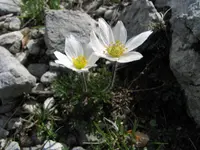
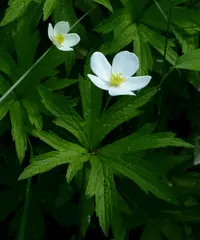
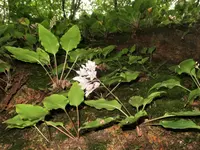
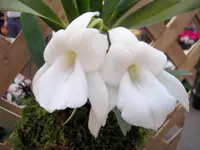
Anemone pavoniana is a small herbaceous perennial from alpine and subalpine regions, valued for its delicate, open flowers and finely divided foliage. It typically forms low clumps that bloom in cool seasons, adding a soft, natural look to rock gardens or lightly shaded borders.
This species prefers cool summers, good light without harsh heat, and soil that drains freely yet stays evenly moist. It can be moderately challenging outside its natural climate, mainly due to sensitivity to heat and waterlogging. Gardeners who learn how to care for Anemone pavoniana often succeed by closely matching its cool, well-drained mountain conditions.

Care Difficulty
Moderate Care

Light Preference
Partial Shade

Water Requirements
Moderate Water

Temperature Preference
Cool Climate

Hardiness Zone
5–8

Soil Texture
Loamy, Sandy, Organic-rich

Soil pH
Acidic (5.5–6.5), Slightly acidic (6.5–7.0)

Soil Drainage
Moist but well-drained

Fertilization
Minimal (feed rarely)
Scan your plant to receive care tips personalized for your specific plant
Available on iOS and Android
This alpine perennial needs bright, cool conditions with some protection from harsh midday sun.
This plant prefers consistently moist but not saturated soil, especially during active growth and flowering.
This species is adapted to cool, alpine-like conditions and dislikes prolonged heat combined with drought.
Humidity is not a major concern for Anemone pavoniana in typical outdoor conditions.
This species prefers loose, well-drained, humus-rich soil that does not stay waterlogged.
This species can be grown in containers if the pot mimics cool, well-drained garden conditions.
This species grows in relatively lean soil and only needs modest feeding to flower well.
Anemone pavoniana benefits from simple, light pruning aimed at cleanliness rather than shaping.
This anemone is usually grown in the ground, with attention focused on careful transplanting rather than frequent repotting.
Propagation of Anemone pavoniana is commonly done by division, with seed raising used when genetic variation is desired.
This species is moderately cold hardy, so winter care mainly focuses on crown and root protection in colder regions.

Plant Health Check
Not sure what's wrong with your plant? Check your plant's health inside the app.
This species is native to high-elevation slopes of the western Himalayas, where it grows among short turf and rocky grasslands exposed to strong light and significant daily temperature swings.
Flowering begins very early in the season, often as snow recedes, with leaves and stems adapted to withstand cold nights and intense UV at altitude.
The flowers have a contrasting central zone of darker color surrounded by paler outer tepals, creating an eye-like pattern that is thought to enhance visibility to early-season pollinators in open alpine habitats.
This species is a hardy perennial that regrows each year from its rootstock. Foliage and flowers die back after the growing season, then new growth emerges the following year if the roots have not rotted or dried out completely.
Keep your plants happy and healthy with plant identification, disease detection, and easy care guidance.