Passion Flower Care (Passiflora 'Incense')

Also known as: Passion Vine
Passion Flower

About Passion Flower

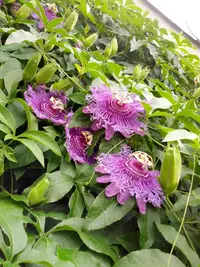
Passion flower Passiflora 'Incense' is a vigorous, twining vine grown for its large, fragrant purple flowers and tropical look. It is typically trained on trellises, fences, or arbors.

This hybrid passion flower comes from parents native to South America and is valued in warm and mild climates for its fast growth and long blooming season. Its exotic flowers attract bees and butterflies.

The plant prefers bright light, evenly moist but well-drained soil, and some shelter from cold winds. Once its basic needs are met, it is considered moderately easy to care for Passion Flower, especially for gardeners who can provide regular support and pruning.

Main Plant Requirements

Care Difficulty

Moderate Care

Light Preference

Full Sun

Water Requirements

Regular Water

Temperature Preference

Warm Climate

Hardiness Zone

7–10

Soil Texture

Sandy, Loamy, Organic-rich

Soil pH

Acidic (5.5–6.5), Slightly acidic (6.5–7.0)

Soil Drainage

Moist but well-drained

Fertilization

Moderate (every 2–4 weeks)

Get Personalized Care Plan

Scan your plant to receive care tips personalized for your specific plant

Available on iOS and Android

How to Care for the Passion Flower

This vigorous vine needs strong light to flower well but benefits from some protection at the hottest times.

  • Provide 6–8 hours of direct sun daily, with preference for morning sun and light afternoon shade, especially in hot summer climates.
  • Tolerates light or dappled shade for part of the day, but Passion Flower will produce fewer blooms and longer, weaker stems in low light.
  • In very bright, hot regions, offer filtered light or shade during midafternoon to reduce leaf scorch and excessive wilting, especially in late spring and summer.

This plant prefers consistently moist, fast-draining soil rather than extremes of drought or saturation.

  • Water when the top 3–5 cm of soil feels dry; aim for deep soaking so moisture reaches the root zone instead of frequent shallow splashes.
  • Use well-drained soil or a raised bed to prevent standing water, since persistently soggy conditions cause yellowing leaves, stem dieback, and root rot in Passiflora 'Incense'.
  • In hot, active growth periods, expect to water more often; in cooler months, reduce frequency, watching for limp leaves and dry tendrils as signs of underwatering.

This hybrid passionflower thrives in warm, frost-free conditions but handles short, mild chills if protected.

  • Ideal growing temperatures are 65–80°F (18–27°C), with steady warmth supporting strongest flowering and vigorous vine growth.
  • Tolerates brief drops to about 25–28°F (-4 to -2°C) once established, but young plants are more tender and benefit from covers during cold snaps.
  • In hot spells above 90°F (32°C), provide mulch to cool roots and extra water, as prolonged extreme heat can stress foliage and reduce flowering later in the season.

This vigorous vine prefers moderately humid air but adapts to many home and garden conditions.

  • Aim for 40–60% humidity; outdoor air in many regions is sufficient, while very dry heated rooms may cause stress.
  • Dry air can lead to curled leaf edges, browning tips, and buds dropping before they open.
  • Increase humidity by grouping plants, placing the pot near a pebble tray with water, or positioning it away from strong drying drafts.

Passiflora 'Incense' needs airy, fast-draining soil that still holds some moisture.

  • Use a loamy mix combining roughly 50% peat- or coco-based potting mix, 25% compost, and 25% perlite or coarse sand for structure.
  • Ensure sharp drainage so water runs through in seconds; the soil should feel springy and never stay soggy after watering.
  • Target a slightly acidic to neutral pH of about 6.0–7.0, which supports nutrient availability and healthy root growth.
  • Avoid heavy clay, compacted ground, or mixes dominated by fine peat alone, which restrict aeration and increase root rot risk.

This passion flower hybrid is well suited to container growing when the pot supports its vigorous, climbing habit.

  • Choose a wide, deep container to allow a substantial root run that supports rapid top growth and flowering.
  • Select a heavier material such as ceramic or thick plastic to keep the vine stable against wind once it climbs a trellis.
  • Set the container where excess water can drain freely away so the root zone never sits in a catch tray for more than a few minutes.

Passiflora 'Incense' responds well to moderate feeding during its active growing season.

  • Apply a balanced liquid fertilizer (such as 10-10-10 or 20-20-20) at 1/2 strength every 2–4 weeks from spring to late summer.
  • Use a slow-release granular fertilizer in early spring, lightly mixed into the topsoil for container or in-ground plants.
  • Supplement with a thin layer of compost around the root zone once per year to improve soil structure and nutrient availability.
  • Reduce feeding to once every 6–8 weeks in fall and stop fertilization entirely in winter dormancy.

Passiflora 'Incense' benefits from structured pruning to manage vigor and encourage flowering.

  • Carry out main pruning in late winter or very early spring before strong new growth begins.
  • Remove dead, damaged, or weak stems first, then thin out crowded vines to improve light and air flow.
  • Shorten long, wandering shoots to control size and direct the vine along its support structure.
  • Use clean, sharp bypass pruners and make cuts just above a healthy bud or side shoot.

This vigorous passion flower often needs timely repotting or transplanting to maintain healthy growth.

  • Check for roots circling the pot, pushing through drainage holes, or stalled top growth as signs it needs a larger container.
  • Plan repotting or transplanting in spring, every 2–3 years for potted plants, when active growth resumes.
  • Move into a pot 2–5 cm wider with well-draining soil, keeping the root ball at the same depth as before.
  • Water thoroughly after moving, keep in bright but not harsh sun for 3–7 days, and avoid heavy fertilizing until recovery is clear.

Passiflora 'Incense' is commonly propagated from stem cuttings and sometimes by seeds or layering.

  • Take 8–12 cm semi-ripe stem cuttings in late spring or summer, each with 2–3 leaf nodes.
  • Insert cuttings into a moist, free-draining mix and keep at 70–80°F with high humidity and bright, indirect light.
  • Apply a rooting hormone to the cut end to improve success and reduce fungal problems.
  • For seeds, provide warmth, light, and consistent moisture; germination can be slow and uneven.

This hybrid passion flower has limited frost tolerance and often needs careful winter management in cooler climates.

  • In USDA zones 7–8, apply a 5–10 cm mulch layer over the root zone in late fall to insulate crowns.
  • Allow top growth to die back in freezes, then cut away mushy stems in late winter once hard frosts pass.
  • For container plants, move pots indoors to a bright, cool room before temperatures drop below 40°F.
  • Water sparingly in winter, keeping soil just slightly moist to prevent root rot during semi-dormancy.

Care Tips

Sturdy Trellis Setup

Install a rigid trellis or horizontal wire system before planting so the vines can be guided and loosely tied with soft ties as they extend, preventing stem breakage and improving flower display.

Seasonal Root Mulching

Apply a 5–8 cm layer of composted bark or leaf mold around, but not touching, the crown in late spring to conserve moisture, protect shallow roots, and stabilize soil temperature.

Strategic Flower Deadheading

Remove spent flowers that have not set fruit by pinching or cutting just behind the bloom to encourage continued flowering rather than seed production.

Cold Protection Planning

In colder regions, grow vines on a removable frame or near a fence where stems can be laid down and mulched heavily in late fall to protect basal buds from winter damage.

Targeted Pest Monitoring

Inspect new growth and flower buds every 7–10 days for caterpillars, aphids, and spider mites, and hose off or hand-pick pests early, which greatly reduces the need for chemical control when caring for Passion Flower.

Everything About Passion Flower

Common Pests and Diseases

Passion vine hopper

This pest feeds on sap from young stems and leaves, causing wilting, leaf distortion, and honeydew that encourages sooty mold. Infestations are more common outdoors where the insect can migrate from nearby vegetation.

Solution

Prune and discard heavily infested shoots, then hose down plants to remove nymphs and honeydew. For ongoing issues, use a targeted insecticidal soap or horticultural oil spray on the undersides of leaves, repeating every 7–10 days until new growth appears clean.

Caterpillars

These insects chew large holes in leaves and can strip new growth quickly, especially on vigorous vines. Defoliation weakens the plant and reduces flowering if not checked early.

Solution

Hand-pick caterpillars and remove leaves with heavy feeding damage. In larger infestations, apply a biological product containing Bacillus thuringiensis (Bt) in the evening, coating both sides of leaves and repeating as directed while monitoring for fresh damage.

Spider mites

This pest thrives in hot, dry conditions and causes fine stippling, yellowing, and eventual leaf drop, often with light webbing on the undersides of leaves. Symptoms include slowed growth and reduced vigor, especially in container plants or greenhouse conditions.

Solution

Rinse foliage thoroughly with a strong but gentle spray of water, focusing on leaf undersides, and repeat several times per week. If populations stay high, use insecticidal soap or horticultural oil at labeled rates and increase humidity and airflow around the vine to make conditions less favorable for mites.

Fusarium wilt

This disease is caused by soil-borne fungi that invade the vascular tissue, leading to sudden wilting, yellowing, and dieback of one or more stems even when soil is moist. Symptoms include brown discoloration in the inner stem when cut open.

Solution

Remove and discard affected stems and any severely wilted plants, including as much root material as possible, and avoid planting new passion vines in the same spot for several years. Improve drainage, avoid overwatering, and use clean pots and fresh, sterile mix for container-grown plants to reduce fungal buildup when growing Passion Flower.

Cucumber mosaic virus

This disease causes mottled, streaked, or distorted leaves and often reduces flowering and overall vigor. Symptoms include uneven light and dark green patterns and sometimes small, misshapen leaves on newer growth.

Solution

Promptly remove and dispose of symptomatic plants to reduce spread, and control aphids and other sap-sucking insects that transmit the virus. Always use clean pruning tools, avoid handling healthy plants after touching suspect foliage, and source new plants from reputable, virus-indexed stock when possible.

Interesting Facts

Hybrid fragrance strength

This cultivar is a complex hybrid between Passiflora incarnata and Passiflora cincinnata and is especially known for its strong, sweet, fruity fragrance that is noticeably more intense than many other commonly grown passionflower hybrids.

Sterile but heavy blooming

The flowers are usually sterile and rarely set viable fruit, yet the plant is capable of producing a large number of blooms over a long season because energy is directed mainly into vegetative growth and flowering rather than seed production.

Cold-tolerant root system

In suitable conditions, the top growth can be damaged or killed by frost, but the underground rhizomes often survive and re-sprout in spring, giving this hybrid more root cold tolerance than many tropical passionflowers, which is useful for grow Passiflora 'Incense' in mild temperate climates.

FAQs about Passion Flower

Lack of flowers usually comes from insufficient light, too much nitrogen fertilizer, or pruning at the wrong time. It blooms on new growth, so avoid heavy late-summer pruning and prioritize balanced fertilization and strong sun exposure.

Grow Healthy Plants with Botan Care

Keep your plants happy and healthy with plant identification, disease detection, and easy care guidance.

Botan plant care app — identify plants on mobile

Explore More Plants