Rubus radicans Care

Rubus radicans

About Rubus radicans

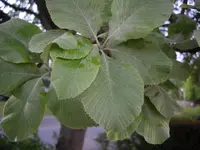
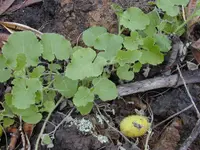
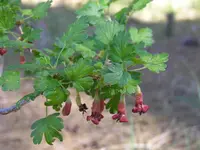
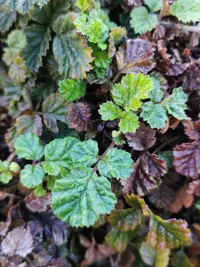
Rubus radicans is a trailing bramble species in the rose family, related to blackberries and raspberries. It typically forms low, scrambling thickets with arching, often prickly stems. Leaves are divided and slightly textured, giving the plant a dense, shrubby look when established.

This species is usually found in natural or semi-wild habitats, such as woodland edges or open scrub, depending on the local climate. It is generally robust and can spread quickly where conditions suit it.

Understanding how to care for Rubus radicans starts with recognizing its preference for sun to light shade, moderately moist but well-drained soil, and space to spread without crowding other plants.

Main Plant Requirements

Care Difficulty

Moderate Care

Light Preference

Partial Sun

Water Requirements

Moderate Water

Temperature Preference

Cold Hardy

Hardiness Zone

5–9

Soil Texture

Sandy, Loamy, Rocky

Soil pH

Acidic (5.5–6.5), Slightly acidic (6.5–7.0)

Soil Drainage

Well-drained

Fertilization

Minimal (feed rarely)

Get Personalized Care Plan

Scan your plant to receive care tips personalized for your specific plant

Available on iOS and Android

How to Care for the Rubus radicans

This scrambling bramble thrives with consistent sun exposure but tolerates some shade.

  • Provide 4–6 hours of direct sun daily, ideally morning sun with light afternoon shade, to balance flowering and leaf health.
  • Allow part shade, especially in hotter regions, where 2–4 hours of early sun plus bright, open shade reduces leaf scorch and moisture loss for Rubus radicans.
  • Monitor leaves through the seasons: pale, leggy shoots suggest too little light, while crisped or bronzed edges indicate excessive strong afternoon sun.

This plant prefers steadily moist, well-drained soil rather than extremes of wet or dry.

  • Water when the top 3–5 cm of soil feel dry, aiming for soil that is moist but not saturated through the root zone.
  • In spring and summer, check moisture more often, especially in sandy or sloping sites; in fall and winter, reduce frequency but prevent complete drying.
  • Watch for yellowing, soft canes and a sour smell as signs of overwatering, and for drooping, brittle leaves as a sign Rubus radicans is too dry.

This hardy shrub tolerates a wide temperature range but grows best in moderate conditions.

  • Active growth is strongest around 60–75°F (16–24°C), with good flowering and fruiting where summers are warm but not extreme.
  • Mature plants often survive down to about 0°F (-18°C) or slightly lower, though young shoots and tips can be damaged by sudden hard freezes.
  • In hot regions, prolonged periods above 90°F (32°C) can stress plants, so combine mulch with light afternoon shade to protect roots and foliage.

This species tolerates a wide humidity range and rarely needs special humidity management.

Rubus radicans grows best in loose, well‑structured soil that stays moist but never stagnant.

  • Use a loamy mix with 40–60% garden soil, 20–30% compost, and 20–30% coarse sand or fine gravel for structure.
  • Ensure sharp drainage; avoid compacted or clay-heavy sites where water lingers for more than 1 day after rain.
  • Aim for slightly acidic to neutral pH, around 6.0–7.0, adjusting with elemental sulfur or lime if a soil test indicates extremes.
  • Improve aeration by working in chunky organic matter such as leaf mold or fine bark, avoiding heavy peat-only mixes.

This species can be grown in containers if the pot supports its spreading habit and root depth.

  • Choose a wide, heavy container to prevent tipping as canes lengthen and fruit adds weight on one side.
  • Select a pot at least 30–40 cm deep so roots can anchor firmly and better tolerate brief drought or heat.
  • Use a thick mulch layer over the potting mix to reduce rapid moisture loss and temperature swings in exposed containers.

This vigorous native bramble usually needs little feeding in average garden soil, but light fertilization can support fruiting and recovery after stress.

  • Apply a thin layer of compost or well-rotted manure around the root zone in early spring, keeping it away from canes.
  • In poorer soils, use a balanced slow-release fertilizer (around 10-10-10) once in spring at label rate.
  • Avoid high-nitrogen products that drive excessive leafy growth at the expense of flowers and fruit.
  • Do not feed Rubus radicans after midsummer so new canes harden before winter dormancy.

Pruning is important to manage growth, maintain access, and support healthy fruiting on Rubus radicans canes.

  • Use clean bypass pruners or loppers in late winter or very early spring before new growth starts.
  • Remove dead, diseased, or damaged canes at ground level to improve air flow and reduce disease pressure.
  • Thin crowded, weak, or crossing stems, leaving well-spaced, vigorous canes to shape the clump or thicket.
  • After fruiting, cut spent floricanes to the base, keeping new primocanes that will carry next year’s crop.

This species is usually grown in the ground, so care focuses on transplanting young plants or controlling established patches.

  • Plan major transplanting for late fall or very early spring when the plant is dormant and soil is workable.
  • Move plants only if necessary, lifting with a sharp spade and keeping as much root ball and attached soil as possible.
  • Replant at the same depth in a well-drained site, water thoroughly, and mulch 5–8 cm deep to limit moisture stress.
  • For container-grown stock, transplant to the garden when roots circle the pot or growth slows, handling roots gently.

Rubus radicans spreads readily, and propagation is most often done by layering or division to match the parent plant.

  • Use tip layering in spring to midsummer by pegging a flexible cane tip into moist soil until roots form.
  • Divide small, young clumps in early spring or fall, keeping several healthy canes and a solid root portion per division.
  • For stem cuttings, take semi-ripe pieces in early summer, use a rooting hormone, and keep in high humidity and bright shade.
  • Seeds germinate slowly and variably; stratification in moist medium at 35–40°F for several weeks improves results.

This bramble is generally cold hardy in much of the US and usually needs only basic winter care once established.

  • Tolerates typical frosts, but young or newly transplanted plants benefit from added protection their first winter.
  • Apply a 5–8 cm mulch layer over the root zone after soil cools, avoiding direct contact with canes.
  • In very cold or exposed sites, loosely tie long canes and secure them to supports to reduce wind damage and breakage.
  • Container-grown plants are more vulnerable; move pots to a sheltered, unheated area where roots stay cold but not frozen solid.

Care Tips

Install sturdy support

Use heavy-duty posts, wires, or a trellis rated for woody vines and fasten new canes loosely with soft ties so the plant climbs securely without girdling the stems as they thicken.

Train new canes

In late winter, select strong new canes and fan them out horizontally along the support, which encourages more lateral shoots and increases flowering and fruiting surfaces when growing Rubus radicans.

Manage suckering spread

Check surrounding soil 1–2 times per season and promptly dig out suckers that emerge beyond the intended planting area, removing as much of the attached root section as possible to prevent unwanted thickets.

Improve air circulation

When spacing plants, leave at least 60–90 cm between main crowns and avoid solid fences on both sides, which helps reduce humidity around foliage and lowers the risk of fungal diseases.

Use protective mulching

Apply a 5–8 cm layer of coarse organic mulch in a wide ring but keep it 5–10 cm away from the stems to stabilize soil moisture, protect shallow roots from temperature swings, and reduce weed competition.

Common Pests and Diseases

Raspberry leaf spot

This disease causes small, round, tan to gray spots on leaves that may merge and lead to premature leaf drop, especially in humid conditions. Symptoms include weakened canes and reduced vigor over time.

Solution

Remove and discard infected leaves and fallen debris to reduce inoculum, and avoid overhead watering to keep foliage as dry as possible. Improve spacing and airflow around plants, and if infections are recurring, apply a labeled fungicide containing chlorothalonil or copper early in the season and after heavy rains, following all label directions.

Anthracnose cane blight

This disease produces sunken, purplish to gray lesions on young canes that can girdle stems, reduce growth, and lower fruiting potential. Symptoms include brittle canes that die back from the tips.

Solution

Prune out and dispose of infected canes during dry weather, cutting back to healthy tissue, and disinfect pruning tools between cuts with 70% alcohol. Maintain good air circulation, avoid high-nitrogen fertilization that encourages lush, susceptible growth, and use a preventative fungicide spray at bud break if anthracnose has been a recurring issue as part of broader Rubus radicans care instructions.

Orange rust

This disease causes distorted, yellowing shoots and produces bright orange, powdery pustules on the undersides of leaves. Symptoms include stunted, unproductive plants that rarely recover once systemically infected.

Solution

Immediately dig up and destroy entire infected plants, including roots, to remove the systemic fungus from the planting. Monitor nearby plants closely in spring, remove wild Rubus hosts nearby if possible, and select clean, disease-free planting stock when establishing new plantings.

Raspberry cane borer

This insect pest tunnels in young canes, causing wilting and drooping of shoot tips, often visible as two girdling rings around the stem. Symptoms include weakened canes that may snap or die back.

Solution

Prune out affected cane tips 5–8 cm below the lowest girdling ring as soon as wilting is observed and destroy the removed material. Encourage natural predators by maintaining plant diversity nearby and avoid broad-spectrum insecticides that disrupt beneficial insects unless infestation is severe and confirmed, in which case use a targeted product labeled for cane borers on the appropriate timing.

Aphids

These insects cluster on tender shoot tips and leaf undersides, sucking sap and causing curling, distortion, and sticky honeydew that can lead to sooty mold. This pest can also spread viral diseases between Rubus plants.

Solution

Spray colonies off with a firm stream of water, focusing on shoot tips and leaf undersides, and repeat as needed. For persistent infestations, use insecticidal soap or horticultural oil in the early morning or evening, ensuring full coverage, and encourage natural enemies such as lady beetles by avoiding unnecessary insecticide use.

Interesting Facts

Probable taxonomic confusion

The name Rubus radicans has often been applied inconsistently in older regional floras, and many modern taxonomists now treat most records under other, better defined Rubus species or microspecies. As a result, verified, species‑level information under this exact name is limited and sometimes contradictory across sources.

Bramble genus complexity

Rubus, the genus to which R. radicans has been attributed, is notorious for apomixis, a form of asexual seed production that creates many very similar, locally restricted lineages. This reproductive complexity makes it difficult to clearly delimit species and contributes to ongoing debate about the correct status of R. radicans in modern checklists.

FAQs about Rubus radicans

This bramble spreads vigorously by arching canes and suckering roots. In suitable conditions it can form dense thickets. Use barriers, regular pruning, and prompt removal of unwanted shoots to keep it confined to the intended area.

Grow Healthy Plants with Botan Care

Keep your plants happy and healthy with plant identification, disease detection, and easy care guidance.

Botan plant care app — identify plants on mobile

Explore More Plants