Support New Canes
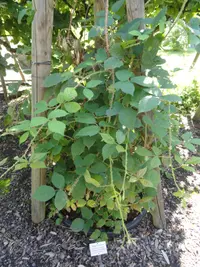
Install sturdy trellis wires or a fence at 1–1.5 m height and loosely tie new canes as they elongate so they grow upright, stay better ventilated, and are easier to harvest.

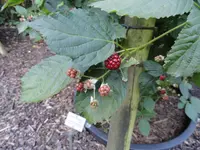
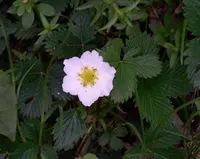
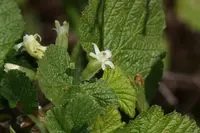
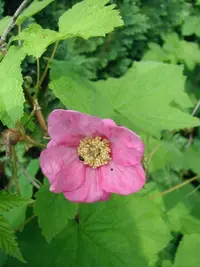
Ness Bramble, Rubus polonicus, is a deciduous bramble in the rose family, grown mainly for its sweet, dark berries and vigorous canes. It forms arching, often thorny stems that create dense thickets over time.
This species is thought to originate from northern and central Europe and is often cultivated rather than found truly wild. It fruits on second-year canes, so its growth cycle and pruning needs are straightforward once understood.
Gardeners generally find it robust and cold-hardy, but its strong growth and thorns mean it needs space and some training. It prefers sun to light shade, moderately moist soil, and good drainage, which makes it relatively easy to care for Ness Bramble in suitable climates.

Care Difficulty
Moderate Care

Light Preference
Full Sun

Water Requirements
Moderate Water

Temperature Preference
Cold Hardy

Hardiness Zone
4–8

Soil Texture
Loamy, Sandy, Organic-rich

Soil pH
Acidic (5.5–6.5), Slightly acidic (6.5–7.0)

Soil Drainage
Moist but well-drained

Fertilization
Minimal (feed rarely)
Scan your plant to receive care tips personalized for your specific plant
Available on iOS and Android
Rubus polonicus performs best in full sun but tolerates some partial shade.
Rubus polonicus prefers evenly moist, well-drained soil rather than frequent shallow watering.
This bramble is cold hardy yet benefits from moderate growing-season temperatures for best yields.
This bramble tolerates a wide humidity range, so air moisture is rarely a limiting factor.
Rubus polonicus prefers moist, well-drained, fertile ground with a loose, crumbly structure.
This species can be grown successfully in containers if the pot is large and stable enough for its vigorous growth habit.
Rubus polonicus benefits from moderate feeding but grows acceptably in decent garden soil without constant fertilizer inputs.
Pruning Rubus polonicus maintains productivity, controls spread, and encourages strong new canes.
This bramble is usually grown in the ground, so transplanting is more relevant than container repotting.
Rubus polonicus is typically propagated vegetatively to maintain cultivar traits and yield quality.
This bramble is generally cold hardy in temperate climates and needs only modest winter care in the ground.

Plant Health Check
Not sure what's wrong with your plant? Check your plant's health inside the app.
This bramble species is native to Central and Eastern Europe, especially Poland, where it was first described and characterized in detail based on local wild populations.
It shows a combination of traits that resemble both common bramble and some cultivated raspberries, with relatively straight, moderately armed canes and clustered drupelets that give the fruit a more raspberry-like look.
Like other brambles, it has a biennial cane cycle, but populations identified as this species often show particularly vigorous first-year (primocane) growth followed by heavy second-year (floricane) fruiting under good light conditions.
This species spreads by arching canes and suckering roots, so it can form dense thickets over time. Use root barriers, regular pruning, and removal of unwanted shoots to keep it within the desired area.
Keep your plants happy and healthy with plant identification, disease detection, and easy care guidance.