Encourage lateral canes
Tip-prune the current season’s primocanes by 2–5 in once they reach about 90–120 cm to stimulate more lateral branches and increase potential fruiting wood for the following year.

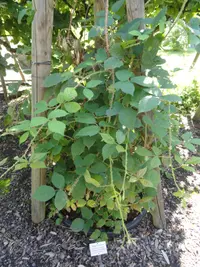
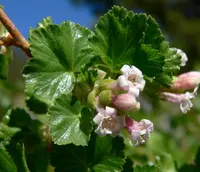
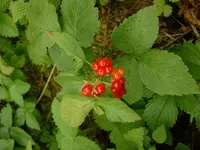
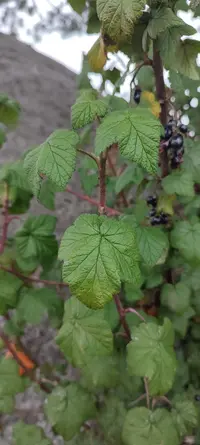
Rubus schleicheri is a wild raspberry species, typically forming arching, thorny canes with compound leaves and small, white flowers followed by red to dark berries. It behaves as a deciduous shrub and can spread over time, creating thickets where conditions suit it.
This species is native to parts of Europe, often found in forest margins, scrub, and other semi-natural habitats with moderate moisture. It is generally hardy and tolerant but prefers sun to light shade and well-drained, humus-rich soil.
For gardeners, it is useful to learn how to care for Rubus schleicheri in order to manage its vigor, encourage flowering and fruiting, and prevent it from becoming too invasive in small spaces.

Care Difficulty
Moderate Care

Light Preference
Full Sun

Water Requirements
Moderate Water

Temperature Preference
Cold Hardy

Hardiness Zone
5–8

Soil Texture
Sandy, Loamy, Rocky

Soil pH
Acidic (5.5–6.5), Slightly acidic (6.5–7.0)

Soil Drainage
Well-drained

Fertilization
Minimal (feed rarely)
Scan your plant to receive care tips personalized for your specific plant
Available on iOS and Android
This bramble prefers bright, open conditions with protection from extreme afternoon heat in hotter regions.
This shrub likes consistently moist but not waterlogged soil, with slight drying between waterings.
This hardy bramble grows best in cool to mild conditions and tolerates substantial winter cold outdoors.
This species tolerates a wide humidity range but grows best with moderate ambient moisture.
Rubus schleicheri prefers loose, moist, well-drained mineral soil that does not stay waterlogged.
This species can be grown in containers if the pot is chosen to support its spreading root system and top growth.
This wild bramble generally needs minimal feeding but responds to light nutrition on poor soils.
Pruning keeps this bramble productive, accessible, and less prone to disease.
This species is usually field-grown or in the ground, so focus on careful transplanting rather than frequent repotting.
Rubus schleicheri is commonly propagated vegetatively to maintain desired traits.
This bramble is generally cold hardy and needs only light winter care in most temperate climates.

Plant Health Check
Not sure what's wrong with your plant? Check your plant's health inside the app.
This species is native to montane and subalpine regions of central Europe, where it grows in cool, rocky habitats rather than lowland thickets typical of many other Rubus species.
Rubus schleicheri usually has thin, finely toothed leaflets with a relatively soft texture and a pale underside, features that help separate it from closely related European blackberry species in the field.
Taxonomists consider this species part of an intricate Rubus aggregate, and evidence suggests it has a hybrid origin within the European blackberry complex, which contributes to its restricted and patchy distribution.
This species spreads by arching canes and suckering roots, so it can form dense thickets over time. Use root barriers, regular pruning, and removal of unwanted shoots to keep it within its designated area.
Keep your plants happy and healthy with plant identification, disease detection, and easy care guidance.