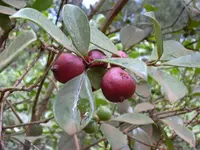
creeping Taiwan bramble Care (Rubus rolfei)

Also known as: crinkle-leaf creeper, emerald carpet, Taiwan creeping berry, creeping raspberry
creeping Taiwan bramble

About creeping Taiwan bramble

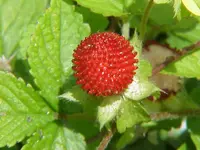
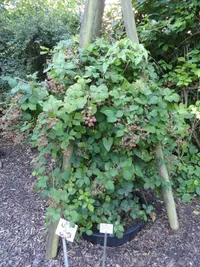
Creeping Taiwan bramble (Rubus rolfei) is a low, mat-forming shrub in the rose family, often used as a groundcover. It spreads along the soil surface with trailing stems and forms dense, evergreen foliage, then produces white to pale pink flowers followed by small edible berries. This species is native to Taiwan and nearby East Asian regions, where it grows on slopes and open woodland edges. It is generally considered robust and adaptable, which makes it fairly straightforward to care for creeping Taiwan bramble in mild climates. It prefers sun to light shade, moderately moist but well-drained soil, and enough space to spread without crowding other plants.

Main Plant Requirements

Care Difficulty

Easy Care

Light Preference

Full Sun

Water Requirements

Moderate Water

Temperature Preference

Warm Climate

Hardiness Zone

7–10

Soil Texture

Sandy, Loamy, Organic-rich

Soil pH

Acidic (5.5–6.5), Slightly acidic (6.5–7.0)

Soil Drainage

Well-drained

Fertilization

Minimal (feed rarely)

Get Personalized Care Plan

Scan your plant to receive care tips personalized for your specific plant

Available on iOS and Android

How to Care for the creeping Taiwan bramble

Rubus rolfei thrives as a low, sun-loving groundcover in open, outdoor sites.

  • Provide 4–6 hours of direct sun daily, ideally with gentle morning sun and light afternoon shade in hotter regions to prevent leaf scorch.
  • Plant in an area with partial shade (dappled light for part of the day) if summers exceed 90°F (32°C), as creeping Taiwan bramble tolerates reduced light better than intense heat.
  • Watch for leggy, sparse growth as a sign of insufficient light, and for bronzed, crispy leaf edges as a sign of excessive afternoon sun exposure.

Rubus rolfei prefers evenly moist but not waterlogged soil once established outdoors.

  • Allow the top 3–5 cm of soil to dry before deep watering, then wet the root zone thoroughly so moisture reaches 15–20 cm deep.
  • Improve drainage with organic matter or raised beds so excess water can drain away, reducing risk of root rot and anaerobic (oxygen-poor) conditions.
  • In summer, monitor for wilting, dull leaves, and dry soil as signs to water; in cooler or rainy seasons, reduce frequency and watch for yellowing, soft leaves from overwatering.

This species is a hardy groundcover that copes well with a range of outdoor temperatures.

  • Aim for active growth in 60–75°F (16–24°C) during spring and early summer, when new stems and foliage develop most vigorously.
  • Mature plants generally tolerate down to about 0°F (−18°C) once established; mulching 5–8 cm deep helps protect roots in colder zones.
  • In hot summers above 85–90°F (29–32°C), provide afternoon shade and consistent soil moisture, as prolonged extreme heat with dry soil can stress foliage and reduce vigor.

Rubus rolfei handles a wide humidity range but benefits from moderately moist air.

  • Aim for 40–60% humidity, which suits most homes and outdoor conditions in temperate regions.
  • This species tolerates short periods of drier air, but prolonged very dry conditions can crisp leaf edges and slow growth.
  • If creeping Taiwan bramble shows curled or browning leaf margins, group plants, use a pebble tray, or lightly mist in the morning to raise local humidity.

Rubus rolfei prefers loose, well‑structured soil that drains freely yet holds consistent moisture.

  • Use a loamy mix with 40–60% organic matter such as compost plus mineral material like sand or fine grit for structure.
  • Ensure rapid drainage; aim for a soil that is moist after watering but no longer wet or shiny on the surface after 30–60 minutes.
  • A slightly acidic to neutral pH around 6.0–7.0 supports nutrient uptake and healthy root growth.
  • Improve aeration and drainage by blending commercial potting mix with extra compost and 10–20% perlite, and avoid heavy clay that compacts when wet.

This species is suitable for container growing, especially as a trailing or groundcover accent on patios or balconies.

  • Choose a wide, shallow to medium‑depth container to accommodate spreading roots and stems without encouraging excessive vertical growth.
  • Use a heavier material such as ceramic or stone if the planter is elevated, to prevent the trailing mass from tipping the pot in wind.
  • Elevate the container slightly on feet or bricks so water clears the drainage holes quickly and roots do not sit in runoff.

Rubus rolfei grows well in modest soils but responds to light feeding during the main growing season.

  • Use a balanced, slow-release fertilizer (around 10-10-10) or a thin layer of mature compost in spring.
  • Feed every 6–8 weeks from early spring to mid-summer, then stop to allow stems to harden.
  • Apply at half the label rate to avoid forcing overly soft, weak growth on creeping Taiwan bramble.
  • Water before and after application so nutrients move into the root zone without burning roots.

Pruning Rubus rolfei helps control spread, maintain a low mat, and remove unproductive growth.

  • Carry out main pruning in late winter or very early spring before new growth starts.
  • Cut out dead, diseased, or damaged stems first, then thin congested or crossing runners.
  • Shorten overly long or invasive runners to keep the plant within its allotted space and shape.
  • Use clean, sharp hand pruners; make cuts just above a healthy bud or side shoot.

This groundcover bramble is usually grown in the ground, so management focuses on thoughtful transplanting rather than frequent repotting.

  • Transplant in early spring or early fall when temperatures are mild and soil is workable.
  • Choose a site with well-drained soil and enough room for runners to spread without crowding other plants.
  • Lift plants with a spade, keeping a wide root ball to limit root tearing and water loss.
  • Replant at the same depth, water thoroughly, then keep soil evenly moist for 2–3 weeks to reduce stress.

Rubus rolfei spreads readily, and propagation is most effective through layering and division.

  • Use simple layering in spring or early summer by pegging a low stem to the soil until roots form.
  • Divide established patches in early spring, lifting and splitting rooted sections with a sharp spade.
  • Root semi-ripe stem cuttings in late spring to summer in a moist, free-draining mix under bright shade.
  • Keep all propagules slightly moist, not waterlogged, with good air movement to limit rot.

This species is fairly cold hardy in many temperate areas and usually needs minimal winter care outdoors.

  • Tolerates light to moderate frost once established, especially in well-drained soil.
  • Apply a 5–8 cm mulch layer around the root zone in late fall, keeping stems just clear of deep cover.
  • In very cold regions, site plants in a sheltered position and avoid waterlogged winter soil.
  • Container-grown plants in colder zones can be moved to an unheated but frost-free garage or porch.

Care Tips

Low ground training

Pin the creeping stems to the soil surface with biodegradable clips or bent wire to encourage dense, mat-forming growth and faster coverage of banks or slopes.

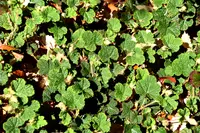
Erosion control planting

On slopes, plant in staggered rows across the contour and lightly mulch between plants so the spreading stems knit together and stabilize the soil over 1–2 seasons.

Shoot renewal strategy

Every 2–3 years, remove a portion of the oldest, woody stems at the base and let new shoots replace them to maintain vigorous growth and consistent groundcover density.

Targeted cane direction

Guide new runners away from beds or paths by gently turning and pegging them in the desired direction during soft growth, rather than cutting back later when stems are woody.

Winter wildlife management

In colder regions, leave some stems and foliage intact over winter to protect soil and provide habitat, then carry out more thorough thinning and cleanup in early spring when caring for creeping Taiwan bramble.

Common Pests and Diseases

Raspberry leaf spot

This disease causes small, round, tan to light-brown spots with purple borders on leaves, which can merge and lead to premature leaf drop in creeping Taiwan bramble groundcovers.

Solution

Remove and destroy heavily spotted leaves, avoid overhead watering, and keep the foliage as dry as possible; improve spacing and airflow, then apply a labeled copper or chlorothalonil fungicide during wet periods if leaf spotting continues.

Anthracnose canker

This disease produces sunken, purplish to gray cankers on stems and petioles, which can girdle young canes of this low, trailing Rubus and reduce vigor.

Solution

Prune out and dispose of canes with cankers during dry weather, cutting 10–15 cm below visible damage, then disinfect pruners between cuts; maintain good air circulation, avoid excessive nitrogen fertilizer, and, in humid regions, use a preventive fungicide labeled for cane anthracnose at bud break if the problem recurs.

Spider mites

These pests cause fine stippling, bronzing, and a dull, dusty look on the foliage, especially in hot, dry exposures where the mat-forming growth of the plant can trap heat.

Solution

Spray the undersides of leaves with a firm stream of water every few days to knock mites off, increase humidity around the planting, and, if needed, use insecticidal soap or horticultural oil applied thoroughly to leaf undersides according to label directions.

Japanese beetles

These insects chew irregular holes and skeletonize leaves, and can cluster on the low, spreading foliage, leaving only leaf veins behind in mid-summer.

Solution

Hand-pick beetles in early morning into soapy water, use fine mesh netting on small plantings during peak flight, and avoid placing beetle traps close to the planting; in severe cases, consider a targeted product such as neem or another labeled beetle control applied in the evening when pollinator activity is low.

Botrytis blight

This disease leads to soft, brown lesions on leaves, flowers, and young stems, often covered with gray fuzzy mold in cool, wet conditions where dense mats of growth hold moisture.

Solution

Remove and discard all affected plant parts, thin or prune the mat to improve airflow, avoid wetting foliage when irrigating, and, if conditions stay cool and damp, use a botrytis-labeled fungicide as a preventative on vulnerable new growth following typical Rubus rolfei care guidelines for spacing and cleanliness.

Interesting Facts

Natural ground-layer weaver

This species forms dense, mat-like carpets as its stems root at the nodes when they touch soil, helping stabilize slopes and suppress competing low vegetation in its native range in Taiwan.

High-altitude origin

Rubus rolfei is naturally found in montane habitats of Taiwan, where it grows in cool, humid conditions and often experiences high light intensity combined with relatively low temperatures.

Autumn foliage display

Although an evergreen to semi-evergreen bramble, it can develop attractive bronze to red tones in cooler seasons, especially in exposed or colder sites.

Botan icon

Did you know?

Rubus rolfei has been used in breeding and selection work as a low, carpeting bramble that provides ornamental value while also offering nectar for pollinators, making it of interest in naturalistic and ecological garden design.

FAQs about creeping Taiwan bramble

This species forms a low, creeping mat and can spread widely over time through trailing stems that root at the nodes. In small gardens, use edging, regular pruning, or containers to keep it within the desired area.

Grow Healthy Plants with Botan Care

Keep your plants happy and healthy with plant identification, disease detection, and easy care guidance.

Botan plant care app — identify plants on mobile

Explore More Plants