ohelo 'ai Care (Vaccinium reticulatum)

Also known as: Hawaiian blueberry, Hawaiian cranberry
ohelo 'ai

About ohelo 'ai

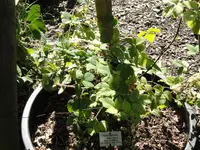
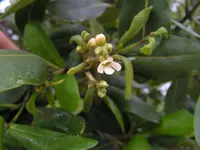
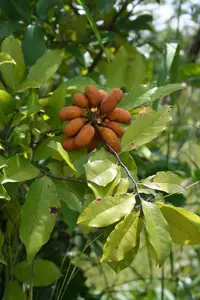
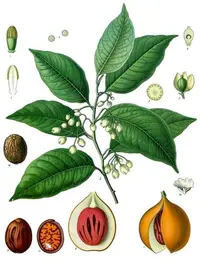
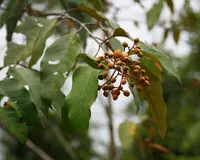
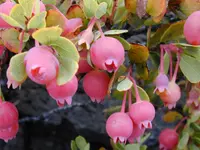
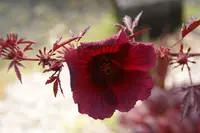
Ohelo 'ai, Vaccinium reticulatum, is a small evergreen shrub in the blueberry family native to high elevations in Hawaii. It forms low, rounded mounds with many fine branches. Leaves are small, often reddish or bronze-tinted, and the plant produces bell-shaped flowers followed by edible berries in yellow, orange, or red shades. In the wild it grows on lava flows and cinder slopes, so it is adapted to windy, exposed, and nutrient-poor sites. These traits make it tough but somewhat specific in its needs, especially for cool temperatures and very well-drained, acidic soil. Gardeners who understand how to care for ohelo 'ai often succeed where conditions resemble its natural habitat.

Main Plant Requirements

Care Difficulty

Hard Care

Light Preference

Full Sun

Water Requirements

Keep Soil Moist

Temperature Preference

Tropical / Frost Sensitive

Hardiness Zone

11–12

Soil Texture

Sandy, Loamy, Organic-rich

Soil pH

Strongly acidic (4.5–5.5)

Soil Drainage

Moist but well-drained

Fertilization

Minimal (feed rarely)

Get Personalized Care Plan

Scan your plant to receive care tips personalized for your specific plant

Available on iOS and Android

How to Care for the ohelo 'ai

This Hawaiian shrub prefers bright, cool conditions that mimic high-elevation volcanic slopes.

  • Provide 4–6 hours of direct morning sun with light afternoon shade; strong late-day sun at low elevations can scorch young ohelo 'ai leaves.
  • Plant where it also receives bright, filtered light for the rest of the day, such as open woodland edges or sites with high, thin canopy cover.
  • In summer, watch for leaf bronzing or crispy edges as a sign of excess sun; in deep shade, expect weak, leggy growth and reduced flowering.

This species prefers consistently moist, cool, acidic soil without staying waterlogged.

  • Water when the top 2–4 cm of soil feel barely damp rather than wet; aim for evenly moist soil around the shallow roots.
  • Use very free-draining, acidic media with added fine lava cinder or sand so excess water moves away quickly and roots receive enough air.
  • In warmer, drier months, check soil more often and watch for dull, drooping leaves from drought stress; yellowing, soft foliage suggests overwatering or soggy soil.

This Hawaiian blueberry is adapted to mild, cool conditions and does poorly in temperature extremes.

  • Aim for daytime growth temperatures of 55–75°F (13–24°C) and slightly cooler nights to match its montane origin.
  • Mature plants can usually handle brief drops to about 30°F (-1°C) but young growth and flowers are sensitive to frost and may be damaged below freezing.
  • Heat above 80–85°F (27–29°C), especially with dry air, stresses plants; provide shade, mulch, and extra moisture during hot spells to protect roots and foliage.

This species prefers moderately moist air but adapts to many outdoor humidity conditions.

  • Aim for 50–70% humidity in cultivation, similar to mild coastal or upland climates.
  • Dry air combined with heat can cause leaf edge browning and faster substrate drying in ohelo 'ai.
  • Increase humidity outdoors with mulch around the root zone and grouping plants, avoiding overhead misting in hot sun.

This plant needs acidic, well‑drained, airy soil that stays evenly moist without waterlogging.

  • Use a mix such as 50–70% peat or fine pine bark with the rest perlite or coarse sand for structure and drainage.
  • Keep pH around 4.5–5.5, as Vaccinium reticulatum is calcifuge and reacts poorly to alkaline or lime‑amended soils.
  • Ensure the mix feels springy and open, not compacted; add extra perlite or fine bark chips to improve aeration if it settles.
  • Avoid heavy clay, manures high in salts, and mixes that stay soggy, which promote root rot and nutrient imbalance.

This species is suitable for container growing when root space, drainage, and stability are managed carefully.

  • Choose a deep, narrow container that allows a fibrous root system to develop vertically rather than spreading shallowly.
  • Use a relatively tall, heavier pot or add weight at the base to keep the shrub stable in wind as it gains height.
  • Elevate the pot slightly on feet or bricks so drainage holes clear freely and excess water leaves the root zone quickly.

This Hawaiian blueberry prefers lean, acidic soils, so use light feeding when grown in pots or poor ground conditions.

  • Apply a slow-release, acid-forming fertilizer or balanced NPK at 1/2 strength once every 6–8 weeks during active growth.
  • Use an organic compost or pine-based mulch layer to add gentle nutrients and maintain soil acidity for ohelo 'ai.
  • Skip feeding in winter or cool dormant periods to avoid forcing soft, weak growth.
  • Always water before and after fertilizing to limit root burn and distribute nutrients evenly.

Pruning Vaccinium reticulatum is mainly about maintaining plant health and a compact, productive shape.

  • Best time is late winter to early spring, before strong new growth begins.
  • Remove dead, damaged, diseased, or crossing branches first to improve airflow and light penetration.
  • Thin out the oldest, most woody stems at the base to stimulate new fruiting shoots and denser growth.
  • Use clean, sharp bypass pruners and make angled cuts just above healthy buds or branch junctions.

This species is usually grown in the ground, but container plants or nursery stock may need careful transplanting.

  • Transplant in late winter to early spring when growth is just starting and temperatures are mild.
  • Look for roots circling the pot drainage holes, water running straight through, or slowed growth as signs it needs more space.
  • Plan on moving young plants to a larger container or final site every 2–3 years, using acidic, well-drained media.
  • Handle the root ball gently, tease circling roots slightly, water thoroughly afterward, and shade for a few days to reduce stress.

New plants are commonly raised from semi-hardwood cuttings or seeds, though both require patience and stable conditions.

  • Take semi-hardwood cuttings in late summer, 7–10 cm long, and use rooting hormone in a moist, acidic, well-drained mix.
  • Keep cuttings in bright, indirect light with high humidity and stable warmth around 70–75°F for rooting.
  • Sow fresh seed on the surface of acidic media, lightly cover, and provide consistent moisture and light for slow germination.
  • Label different collections clearly and discard any material showing disease or severe insect damage.

This warm-climate shrub is not tolerant of hard frost and needs protection in colder regions.

  • In mild, frost-free climates, outdoor plants need little extra winter care beyond normal mulching.
  • Where light frost occurs, apply a 5–8 cm mulch around the root zone to buffer temperature swings.
  • Move container plants indoors or into a sheltered greenhouse before temperatures drop below 40°F.

Care Tips

Mulch With Lava

Apply a 3–5 cm layer of clean, rinsed cinder or small lava rock around the root zone to mimic its native substrate, moderating soil temperature and reducing weed competition without smothering the shallow roots.

Use Rainwater Preference

Collect and use rainwater or low-mineral water for irrigation when possible, since this species is sensitive to high bicarbonate and calcium levels that can slowly raise soil pH and reduce nutrient uptake.

Light Pruning For Fruiting

After fruiting, selectively thin out a few of the oldest, woodiest stems at the base to stimulate new shoots, which typically carry the best flower and fruit production the following season.

Container Rotation Strategy

If grown in a pot, rotate the container 90° every 2–3 weeks during the active season so flower buds and fruit clusters develop more evenly on all sides of the plant.

Bird Protection Netting

Install fine, soft bird netting over a simple frame just before berries begin to color, securing the base around the shrub so wildlife does not strip the crop when you are growing ohelo 'ai.

Common Pests and Diseases

Hawaiian tephritid fruit fly

This pest lays eggs in ripening berries, and larvae tunnel through the fruit, causing soft, collapsing spots and premature fruit drop.

Solution

Collect and destroy infested and fallen berries, harvest fruit promptly at color, and use fine mesh bagging or exclusion netting around fruit clusters; in outdoor plantings, protein-baited traps placed away from the plant help reduce local adult populations.

Ohelo leaf spot

This disease causes small reddish to dark brown spots on leaves that can merge into larger blotches, leading to premature leaf drop and sparse foliage.

Solution

Remove and dispose of heavily spotted leaves, avoid overhead watering, and space plants for good airflow; in persistently wet, cool conditions, a labeled preventative fungicide for Vaccinium species can be applied according to local extension guidance as part of broader Vaccinium reticulatum care.

Stem canker

This disease produces sunken, discolored lesions on stems that may girdle shoots, leading to dieback of branches above the affected area.

Solution

Prune out cankered stems at least 10–15 cm below visible damage with sterilized tools, then improve drainage and airflow; avoid wounding stems, and keep irrigation directed to the soil line to limit further infection.

Scale insects

These insects appear as small, fixed bumps on stems and leaf midribs, sucking sap and causing yellowing leaves, reduced vigor, and sticky honeydew deposits.

Solution

Gently scrape or wipe off localized scales with a cotton pad dipped in soapy water, then repeat every 7–10 days; for heavier infestations, apply a horticultural oil spray labeled for edible shrubs during cool parts of the day, ensuring thorough coverage of stems and leaf undersides.

Erwinia soft rot

This disease causes water-soaked, soft, and sometimes foul-smelling lesions on stems or crown tissue, which can progress quickly in warm, wet conditions.

Solution

Remove and discard affected plant parts promptly, improve soil drainage, and avoid water collecting around the crown; water at the base in the morning, keep foliage dry, and reduce fertilization stress to support plant recovery and limit bacterial spread.

Interesting Facts

Hawaiian lava pioneer

This species is one of the few shrubs that naturally colonize young volcanic lava flows on Hawai'i Island, helping trap organic matter and begin soil formation in extremely fresh, nutrient-poor substrates.

Crucial nēnē food

Its bright red to yellow berries are an important natural food source for the Hawaiian goose (nēnē), contributing to the diet and ecology of this threatened native bird.

High-elevation specialist

The shrub commonly grows at elevations roughly between 600–2,300 m on the slopes of Hawaiian volcanoes, where it is adapted to cool nights, intense sun, and frequent cloud cover.

Botan icon

Did you know?

Ohelo 'ai has deep cultural significance for Native Hawaiians, and traditionally berries growing near Kilauea were first offered to the volcano deity Pele before people harvested them for food.

FAQs about ohelo 'ai

The berries are edible and traditionally eaten raw, dried, or cooked in jams and desserts. Flavor ranges from tart to mildly sweet. Fruits are safe when ripe and clean, but avoid consuming leaves or woody parts.

Grow Healthy Plants with Botan Care

Keep your plants happy and healthy with plant identification, disease detection, and easy care guidance.

Botan plant care app — identify plants on mobile

Explore More Plants