false daisy Care (Eclipta prostrata)

Also known as: white eclipta, trailing eclipta, Eclipta
false daisy

About false daisy

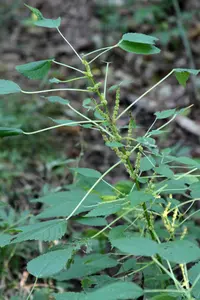
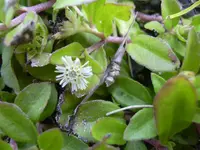
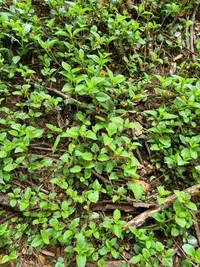
False daisy (Eclipta prostrata) is a fast-growing, low herb often found in damp areas, roadsides, and fields in tropical and subtropical regions. It tends to form spreading clumps with small opposite leaves and small white, daisy-like flower heads.

The plant is commonly seen as a weed but is also cultivated for traditional medicinal and cosmetic uses in some cultures. It adapts easily to warm climates and moist conditions, which makes it fairly simple to establish where temperatures stay mild.

For those who want to care for false daisy in a garden or pot, it typically prefers consistent moisture, good drainage, and plenty of light without prolonged, harsh dryness.

Main Plant Requirements

Care Difficulty

Easy Care

Light Preference

Full Sun

Water Requirements

Keep Soil Moist

Temperature Preference

Tropical / Frost Sensitive

Hardiness Zone

8–11

Soil Texture

Loamy, Silty, Organic-rich

Soil pH

Acidic (5.5–6.5), Slightly acidic (6.5–7.0)

Soil Drainage

Waterlogged tolerant

Fertilization

Minimal (feed rarely)

Get Personalized Care Plan

Scan your plant to receive care tips personalized for your specific plant

Available on iOS and Android

How to Care for the false daisy

Eclipta prostrata prefers consistently bright conditions suited to moist, open sites.

  • Provide 4–6 hours of direct sun daily, ideally with gentle morning sun and light afternoon shade, especially in hot summers.
  • Plant in a position that receives full sun to light partial shade; false daisy will flower more heavily with stronger light.
  • Watch for pale, leggy stems as a sign of too little sun and scorched, crisped leaves as a sign of excessive, intense midday sun.

This species naturally grows in wet habitats and benefits from consistently moist conditions.

  • Aim for soil that stays evenly moist; in the ground, do not allow the top 2–3 cm to dry out completely between waterings.
  • Use soil that drains but does not dry fast; slow pooling on the surface or a sour smell suggests poor drainage and possible overwatering stress.
  • In hot weather, increase watering when leaves lose firmness or wilt by midday, but reduce frequency in cool seasons to avoid waterlogged roots.

This plant performs best in warm, frost-free conditions typical of mild to hot summers.

  • Optimal growth occurs around 70–86°F (21–30°C), with steady warmth encouraging fast vegetative growth and flowering.
  • Avoid temperatures below 50°F (10°C); extended exposure near 40°F (4°C) can slow growth severely and repeated frosts can kill top growth.
  • Eclipta prostrata tolerates short heat spikes up to about 95°F (35°C) if soil moisture is high, but prolonged extreme heat with dry soil causes leaf scorch.

This species grows best in moderately humid conditions but adapts to a range of household levels.

  • Aim for 40–60% humidity; the plant tolerates brief dips lower if soil moisture is consistent.
  • Dry air may cause leaf edge browning and slower growth in false daisy, especially in heated rooms.
  • Increase humidity with a nearby pebble tray or grouping plants, rather than misting, to reduce fungal risk.

This species prefers consistently moist, fine-textured soil with high organic content.

  • Use a loamy mix with plenty of compost or leaf mold to retain moisture while remaining porous.
  • Aim for slightly acidic to neutral pH around 6.0–7.0, which supports nutrient availability for Eclipta prostrata.
  • Blend in 10–20% coarse sand or fine grit if the mix stays waterlogged, improving drainage and aeration.
  • Avoid compacted, heavy clay or peat-only mixes that stay saturated and exclude air from the root zone.

This species is suitable for container growing when moisture and drainage are carefully managed.

  • Choose a wide, shallow pot to accommodate its spreading root system and creeping growth habit.
  • Use a heavier ceramic or terracotta container outdoors to keep the plant stable against wind as stems elongate.
  • Elevate the pot slightly on feet or bricks so drainage holes stay clear and excess water can drain freely.

This fast-growing annual benefits from modest feeding to support leafy growth but does not need heavy fertilization.

  • Use a balanced liquid fertilizer (around 10-10-10) at 1/2 strength for caring for false daisy in containers or poor soils.
  • Feed every 3–4 weeks during the warm growing season when growth is active.
  • Favor light applications of compost or well-rotted organic matter in garden beds instead of frequent synthetic feeding.
  • Stop feeding in late fall and during winter dormancy to avoid weak, frost-tender growth.

Light pruning helps keep Eclipta prostrata compact and encourages fresh foliage and flowering.

  • Pinch or trim stem tips in late spring and summer to promote bushier growth and more flowering shoots.
  • Remove dead, damaged, or pest-infested stems as needed using clean, sharp scissors or hand pruners.
  • Thin out crowded or sprawling stems to improve air flow and reduce disease risk.
  • Shear back lightly after peak bloom flushes to refresh the plant and stimulate new growth.

This species is often grown in ground, but container plants or nursery starts transplant well with moderate care.

  • Transplant in spring or early summer once frost risk has passed and soil is warm.
  • Shift container plants when roots circle the pot, drainage slows, or growth becomes stunted.
  • Move to a container 2–5 cm wider, using light, well-drained soil to limit waterlogging stress.
  • Water thoroughly after transplanting, keep in bright but not harsh sun for 3–5 days, and maintain steady moisture until new growth appears.

Eclipta prostrata is commonly propagated from seed and also from soft stem cuttings in warm conditions.

  • Sow fresh seeds in spring on the surface of moist, fine-textured soil; press lightly, as light aids germination.
  • Maintain 70–80°F, bright indirect light, and even moisture; seeds usually sprout in 7–21 days.
  • For cuttings, take 8–10 cm soft tips in late spring, remove lower leaves, and insert into moist, well-drained mix.
  • Keep cuttings humid with a clear cover or misting, and provide warmth and bright shade until roots develop.

This warm-season annual is frost sensitive and usually declines or dies back in cold winters.

  • In regions with frost, treat plants as annuals and allow them to die back after hard freezes.
  • Mulch garden soil lightly before winter to protect any self-sown seed and soil life.
  • Move container plants indoors before temperatures drop below 40°F, placing them in bright light and cool, frost-free conditions.
  • Reduce watering strongly in winter so soil stays just barely moist, preventing root rot in low light and cool temperatures.

Care Tips

Staggered Succession Sowing

Sow small batches of seed every 2–3 weeks during the warm season so that as older plants become woody or less productive, younger plants are ready to replace them for a continuous supply of fresh foliage.

Encouraged Lateral Spreading

Pinch or lightly trim the tips of vigorous stems and gently press them into contact with moist soil so they root at the nodes, creating a denser, ground-hugging mat that competes better with weeds.

Moisture Buffer Mulch

Apply a very thin layer (0.5–1 cm) of fine, composted mulch around plants in beds or containers to stabilize soil moisture and reduce mud splashing onto lower leaves, which helps limit fungal spotting.

Targeted Weed Suppression

Hand-weed closely around young plants and use narrow strips of landscape fabric or cardboard only in the alleys, not over the root zone, so light competition is reduced while shallow feeder roots still receive water and air.

Timed Harvest Rotation

Harvest no more than 1⁄3 of the foliage from each plant at a time and rotate which clumps are cut every 10–14 days, which supports steady regrowth and makes caring for false daisy more predictable throughout the season.

Common Pests and Diseases

Leaf spot

This disease causes small water-soaked or brown lesions on leaves that can merge into larger irregular spots, often appearing in humid, crowded stands. Symptoms include yellowing and premature drop of older foliage when conditions stay wet for long periods.

Solution

Remove and discard heavily spotted leaves to reduce inoculum, avoid overhead watering, and allow foliage to dry between irrigations. Improve spacing and airflow; in persistent wet, warm conditions, a copper-based fungicide labeled for herbaceous plants can be used according to directions as part of broader Eclipta prostrata plant care.

Powdery mildew

This disease appears as a white to gray powdery coating on upper leaf surfaces and tender stems, which can lead to leaf distortion and reduced vigor. Symptoms include slower growth and a dull, faded look to the foliage under dry days with humid nights.

Solution

Increase air circulation, avoid crowding plants, and water at the base rather than on the foliage. Remove the most affected leaves and, if needed, apply a sulfur or potassium bicarbonate fungicide labeled for powdery mildew, following label directions carefully.

Aphids

These insects cluster on young stems and leaf undersides, sucking sap and causing curling, distortion, and sticky honeydew deposits. This pest can attract sooty mold fungi and may stunt young plants if populations are high.

Solution

Dislodge colonies with a strong stream of water, repeating every few days until numbers drop. For persistent infestations, use insecticidal soap or a light horticultural oil on leaf undersides and tender growth, applied in the early morning or late evening to reduce leaf stress.

Leaf miners

These insects create narrow, winding, pale tunnels inside leaves as their larvae feed between upper and lower leaf surfaces. Symptoms include unsightly serpentine trails and, in heavier infestations, reduction in overall leaf function.

Solution

Remove and discard leaves that show fresh mines to physically reduce larvae within the plant. Encourage natural predators, avoid broad-spectrum insecticides that harm beneficial insects, and, if damage is significant, use a systemic insecticide specifically labeled for leaf miners, following label instructions.

Interesting Facts

Natural hair dye source

The leaves contain high levels of wedelolactone and related compounds that can stain hair and skin a dark color, which is why the plant is traditionally used in parts of Asia as a plant-based black hair dye.

Amphibious growth habit

This species thrives in both waterlogged soils and on moist uplands, often forming dense mats along rice paddies, irrigation channels, and wetlands, which reflects its high tolerance to fluctuating water levels.

Widespread tropical colonizer

Originally native to tropical and subtropical regions of the Americas and Asia, it has spread widely across warm regions worldwide and is now considered a common ruderal weed in disturbed, nutrient-rich habitats such as crop fields and ditches.

Botan icon

Did you know?

Genetic and phytochemical studies have shown that this single species has notable chemical variability between populations, which helps researchers trace geographic origins and assess how local conditions influence the production of its characteristic coumarins and flavonoids.

FAQs about false daisy

Poor flowering usually comes from low light, nutrient-poor or very dry soil, or plants that are too young. Encourage blooms by providing full sun, regular but moderate feeding, and frequent light pruning of spent flower heads to redirect energy.

Grow Healthy Plants with Botan Care

Keep your plants happy and healthy with plant identification, disease detection, and easy care guidance.

Botan plant care app — identify plants on mobile

Explore More Plants