annual bluegrass Care (Poa annua)

Also known as: annual bluegrass, Annual Poa, Winter grass, Annual Winter Grass, Dwarf Meadow Grass, Low Spear Grass, Six Weeks Grass
annual bluegrass

About annual bluegrass

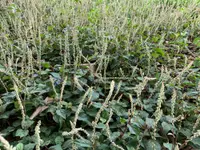
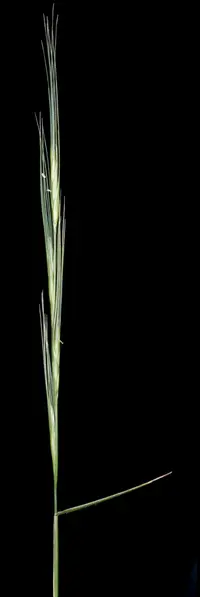
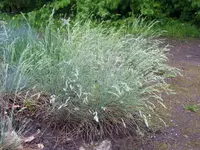
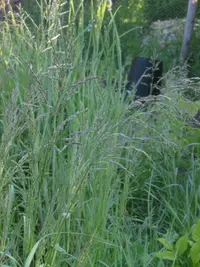
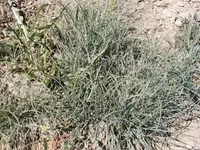
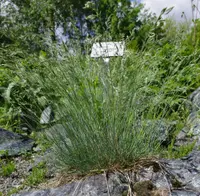
Annual bluegrass, Poa annua, is a cool-season grass that often appears as a short, tufted plant in lawns, gardens, and compacted soil. It forms dense, bright to yellow-green patches with soft, fine leaves and many small seedheads.

This species is native to Europe but now grows widely across North America and other temperate regions, especially in moist, disturbed areas. It thrives in cool, damp, nutrient-rich conditions and can tolerate mowing and foot traffic, which makes it both persistent and adaptable.

Understanding how to care for annual bluegrass means recognizing that it prefers consistent moisture, good light, and fertile, well-drained soil, but it can also survive in less-than-ideal sites.

Main Plant Requirements

Care Difficulty

Moderate Care

Light Preference

Full Sun

Water Requirements

Regular Water

Temperature Preference

Cool Climate

Hardiness Zone

3–9

Soil Texture

Sandy, Loamy, Clay

Soil pH

Acidic (5.5–6.5), Slightly acidic (6.5–7.0)

Soil Drainage

Moist but well-drained

Fertilization

Light (every 4–6 weeks)

Get Personalized Care Plan

Scan your plant to receive care tips personalized for your specific plant

Available on iOS and Android

How to Care for the annual bluegrass

Poa annua performs best in cool conditions with moderate sun exposure rather than intense heat.

  • Aim for 3–6 hours of direct morning sun with light shade or filtered light in the hot afternoon to reduce stress and leaf scorch.
  • The grass tolerates partial shade under open trees or on north/east exposures, but very dense shade thins turf and encourages weak, leggy growth.
  • In summer, intense full afternoon sun can cause yellowing and wilting; in cooler seasons, slightly more direct sun supports denser annual bluegrass coverage.

Poa annua prefers consistently moist but not waterlogged soil, especially during active growth in cool seasons.

  • Irrigate when the top 2–4 cm of soil feels slightly dry and footprints remain visible on the turf, indicating mild wilt stress.
  • Use deep, infrequent watering that penetrates 8–10 cm, and ensure soil drains freely; standing water or soggy patches signal overwatering and root risk.
  • Reduce frequency in cool, wet weather and increase slightly during dry, windy periods; bluish leaves, curling, and slow spring recovery suggest underwatering.

This cool-season grass grows most vigorously in mild temperatures and struggles in prolonged heat.

  • Optimal growth occurs around 55–75°F (13–24°C); germination and tillering are strongest in cool spring and fall conditions.
  • Plants tolerate light frosts down to about 25°F (-4°C), but extended freezing below this can thin stands and reduce survival.
  • Heat stress begins as temperatures exceed 80–85°F (27–29°C), with 90°F+ (32°C+) causing rapid decline unless soil stays cool and moisture is well managed.

Poa annua handles a wide humidity range but performs best in moderate outdoor levels around 40–60%.

  • Tolerates relatively dry air but may thin out under prolonged hot, low-humidity conditions, especially with heat stress.
  • Watch for leaf tip browning, slowed growth, and increased wilt between waterings as signs of humidity and heat stress combined.
  • In hot, arid spells, maintain even soil moisture and use early-morning misting or nearby turf to buffer rapid drying, avoiding constant leaf wetness.

Poa annua prefers cool, moist, fine-textured ground with consistent aeration and drainage.

  • Use a loamy or silty soil with moderate organic matter, such as turf soil amended with 20–30% compost for structure and nutrient retention.
  • Aim for slightly acidic to neutral pH around 6.0–7.0, avoiding very acidic or strongly alkaline conditions that limit nutrient uptake.
  • Improve drainage and aeration by lightly incorporating sand or fine perlite into compacted or heavy areas rather than creating deep, sandy pockets.
  • Avoid waterlogged, poorly drained, or extremely compacted sites, which promote shallow roots, disease, and winter kill in Poa annua stands.

This species can grow in containers but is usually short-lived and best treated as a temporary turf or research subject.

  • Choose a broad, shallow container so the fibrous roots can spread laterally without creating a deep, soggy profile.
  • Use multiple small drainage holes plus a thin, coarse layer of gravel or bark at the base to prevent fine-textured media from sealing them.
  • Select a heavier material like clay or ceramic to keep the pot stable against wind and to reduce rapid surface drying in sun-exposed settings.

Poa annua benefits from light, targeted feeding to support dense, healthy turf without excessive growth.

  • Use a balanced slow-release NPK fertilizer (for example 10-10-10) or thin compost topdressing on established turf.
  • Feed lightly every 6–8 weeks during active cool-season growth in spring and fall, adjusting to soil test results when available.
  • Apply at 1/2–3/4 the labeled turf rate to limit surge growth and reduce disease risk in annual bluegrass.
  • Stop or greatly reduce fertilization in hot summer and in winter dormancy, focusing instead on watering and mowing practices.

Pruning Poa annua is managed through mowing rather than hand trimming.

  • Mow frequently during cool-season growth to remove seedheads and keep the canopy at the desired height.
  • Use a sharp mower blade to make clean cuts and reduce leaf shredding, which limits stress and disease entry.
  • Remove clippings if seed spread is a concern, or mulch finely to return nutrients when spread is acceptable.
  • Target removal of thin, diseased, or heavily compacted patches by power raking or overseeding to maintain an even surface.

Poa annua is usually grown in the ground; transplanting focuses on renovating thin or unwanted patches.

  • Transplant or renovate in cool, moist periods of early fall or early spring to reduce heat stress on roots.
  • Lift small sod plugs from dense, healthy areas and set them into bare spots at the same soil level.
  • Water transplanted patches gently but consistently for 1–2 weeks so roots re-establish without drying out.
  • Avoid frequent disturbance; once established, limit further lifting or dividing to only when coverage becomes patchy.

Propagation of Poa annua occurs mainly by seed, which germinates readily in cool, moist conditions.

  • Sow fresh seed in early fall or early spring when soil temperatures are cool and moisture is consistent.
  • Prepare a fine, firm seedbed, then broadcast seed thinly and rake or drag lightly so seed contacts soil.
  • Keep the top 0.5–1 cm of soil evenly moist until germination, usually within 7–21 days depending on temperature.
  • Allow plants to flower and set seed where natural self-sowing is acceptable for long-term coverage.

Poa annua is a cool-season grass that tolerates typical winter conditions in many temperate regions and needs minimal special care.

  • In colder zones, maintain a mowing height slightly higher going into winter to cushion crowns against freeze–thaw cycles.
  • Apply a light, even mulch of shredded leaves or compost only in exposed, shallow-soil areas where desiccation is common.
  • Avoid heavy traffic on frozen or saturated turf during winter to reduce crown and root damage.

Care Tips

Overseeding rotation

Stagger overseeding every 2–3 weeks in small blocks rather than all at once so thin or high-traffic patches refill gradually and the stand never drops below a uniform density.

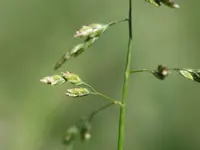
Mow to suppress seed

Collect clippings and mow slightly more frequently during peak seedhead flush to reduce the soil seed bank and slow unwanted spread into nearby beds and perennial turf.

Traffic pattern management

Shift footpaths and sports practice drills across the area every few days so no single lane is compacted, which helps roots stay healthier and reduces bare, muddy strips.

Targeted compaction relief

Use a hand aerator or solid tines only in visibly compacted zones such as field entrances and goal mouths, then brush a light sand or sandy loam into the holes to improve drainage right where it is needed.

Seasonal transition planning

When caring for annual bluegrass in mixed turf, time its decline with the rise of warm-season or cool-season perennials by easing off nitrogen and moisture for this species while supporting the desired grass with its preferred regime.

Common Pests and Diseases

Annual bluegrass weevil

This pest targets stems and crowns, and larvae feeding inside the stems cause yellowing, thinning, and eventual turf collapse in irregular patches. Symptoms include weak, easily pulled plants and damage that often appears first along edges of hard surfaces.

Solution

Monitor closely in spring with pitfall traps or by inspecting mower catch baskets, then time applications of a targeted turf insecticide when adults or early-stage larvae are active. Reduce heavy thatch, avoid overly low mowing, and improve drainage to make the stand less favorable for this pest and to support recovery when following Poa annua care instructions.

Cutworms

These insects feed at night, chewing off foliage and crown tissue, which creates small, closely cropped or bare spots in the turf. Symptoms include birds pecking at the lawn and the presence of small green droppings on the surface.

Solution

Confirm presence by flushing a small area with a soapy water solution to bring larvae to the surface, then apply a turf-labeled insecticide in the evening when larvae are active. Maintain a balanced fertilization and mowing program to help the grass recover and reduce thatch, which shelters larvae and makes infestations worse.

Anthracnose

This disease often attacks stressed annual bluegrass, causing yellow to orange-brown turf that thins rapidly, with black fruiting bodies sometimes visible at the base of leaves or on stems. Symptoms include weakened plants that decline quickly under heat or low fertility.

Solution

Improve plant vigor by maintaining moderate nitrogen, avoiding very low mowing heights, and relieving compaction to reduce stress. Where anthracnose is persistent, use fungicides labeled for turf anthracnose in a preventive program during warm, humid periods, rotating active ingredients to reduce resistance risk.

Summer patch

This disease affects roots and crowns during warm weather, leading to wilt, thinning, and circular or crescent-shaped patches of dead or dying Poa annua. Symptoms include turf that appears drought-stressed despite adequate watering and brown roots when inspected.

Solution

Promote deeper rooting by watering less frequently but more deeply, and raise mowing height slightly to reduce stress. Apply systemic fungicides labeled for summer patch preventively in late spring to early summer, targeting the root zone, and improve drainage and aeration to limit disease development.

Snow mold

This disease develops under extended snow or wet, cool conditions, leaving circular, matted, straw-colored patches once snow melts. Symptoms include gray or pink fungal growth on leaf blades in the early stages after snow cover recedes.

Solution

Before winter, gradually reduce thatch and avoid heavy late-fall nitrogen that keeps growth lush going into snow cover. In areas with regular snow cover, consider preventive fungicide applications in late fall and in spring gently rake matted areas to promote drying and new growth, overseeding thin spots if necessary.

Interesting Facts

Cosmopolitan lawn invader

This species now occurs on every continent except Antarctica and is one of the most widespread lawn and turf weeds in temperate climates due to its fast life cycle and prolific seed production.

Cold-tolerant germination

Seeds of this grass can germinate at relatively low soil temperatures compared with many turf species, which allows it to establish in late fall, winter, and early spring when desirable grasses are less competitive.

Highly variable growth forms

Populations show striking variability, from small, short-lived annual plants to more persistent, tufted forms that behave almost like short-lived perennials under cool, moist conditions, which complicates Poa annua care in managed turf.

Botan icon

Did you know?

Poa annua is one of the most intensively studied weed grasses on golf courses worldwide, and many putting greens that appear to be carefully maintained bentgrass are in fact dominated by this species due to its ability to adapt quickly to close mowing and heavy foot traffic.

FAQs about annual bluegrass

This species spreads quickly by seed, especially in cool, moist, compacted turf. It can form dense patches and displace desired grasses. Regular mowing, good drainage, and reducing soil compaction help limit spread and seed production.

Grow Healthy Plants with Botan Care

Keep your plants happy and healthy with plant identification, disease detection, and easy care guidance.

Botan plant care app — identify plants on mobile

Explore More Plants