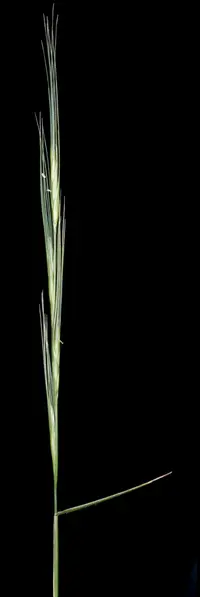
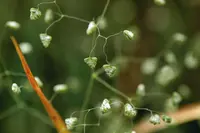
quaking grass Care (Briza media)

Also known as: perennial quakinggrass, Big Quaking Grass
quaking grass

About quaking grass

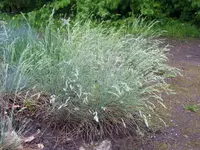
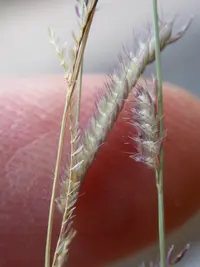
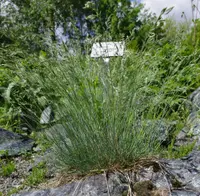
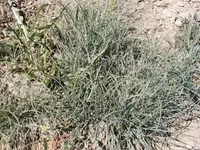
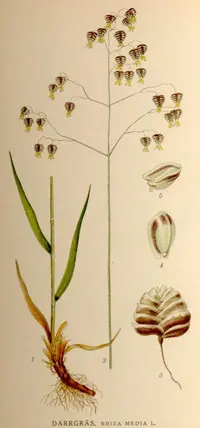
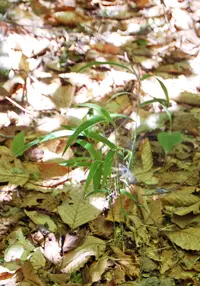
Quaking grass, Briza media, is a small perennial ornamental grass valued for its delicate, nodding seed heads that tremble in the slightest breeze. It forms tidy clumps of narrow green leaves and airy flowering stems, giving a light, mobile texture to borders and naturalistic plantings.

This species occurs naturally in meadows and open grasslands across parts of Europe and western Asia. It is generally easy to grow because it tolerates a range of soils, moderate cold, and some neglect.

Gardeners who care for quaking grass usually provide sun to light shade, reasonably moist but well-drained soil, and avoid very hot, dry conditions.

Main Plant Requirements

Care Difficulty

Easy Care

Light Preference

Full Sun

Water Requirements

Moderate Water

Temperature Preference

Cold Hardy

Hardiness Zone

4–8

Soil Texture

Sandy, Loamy, Organic-rich

Soil pH

Acidic (5.5–6.5), Slightly acidic (6.5–7.0)

Soil Drainage

Moist but well-drained

Fertilization

Minimal (feed rarely)

Get Personalized Care Plan

Scan your plant to receive care tips personalized for your specific plant

Available on iOS and Android

How to Care for the quaking grass

This cool-season grass prefers bright conditions with some protection from harsh heat.

  • Provide 4–6 hours of direct sun daily, ideally gentle morning sun with light shade in the hot afternoon.
  • It tolerates partial shade, but flowering and the nodding seed heads of quaking grass are fuller in open, bright sites.
  • In hot summers, use filtered light or dappled shade to prevent leaf scorch; in cooler climates, more open sun improves vigor.

This grass prefers evenly moist but not saturated soil, especially during active spring growth.

  • Allow the top 2–4 cm of soil to dry slightly between waterings, then water deeply so moisture reaches the root zone.
  • In summer heat, monitor every few days; wilting, curling leaves, or dry, crisp tips suggest Briza media needs water.
  • Yellowing, limp foliage or persistent soggy soil indicates overwatering; improve drainage with organic matter or by avoiding compacted sites.

This hardy grass copes well with cool conditions and moderate summer warmth outdoors.

  • Optimal growth occurs around 55–70°F (13–21°C), matching typical cool spring and early summer weather in many temperate regions.
  • Established plants tolerate winter lows down to about 0°F (-18°C) with good drainage, though foliage may die back and re-sprout in spring.
  • In hot climates, growth slows above 80–85°F (27–29°C); provide afternoon shade and consistent moisture during peak heat to reduce stress.

Humidity is rarely critical for Briza media, which adapts well to typical outdoor conditions in temperate climates.

This grass prefers moist, well-structured mineral soil that drains freely but does not dry out too quickly.

  • Use a loamy or sandy-loam soil with moderate organic matter to support steady root growth.
  • Aim for slightly acidic to neutral pH, around 6.0–7.0, to optimize nutrient availability.
  • In heavy clay, mix in coarse sand and well-rotted compost to improve drainage and aeration.
  • Avoid compacted, waterlogged, or very peaty mixes that stay wet and exclude air from roots.

This species can be grown in containers if the pot supports its fibrous root system and upright foliage.

  • Choose a wide, moderately deep pot so roots can spread laterally without circling tightly.
  • Use a heavier material such as terracotta or ceramic to reduce tipping as the flowering stems sway.
  • Raise the pot on feet or spacers so drainage holes stay clear and water can exit quickly after rain or irrigation.

Briza media is a light feeder that performs well in modestly fertile soils and needs only gentle supplementation in containers or poor ground.

  • Use a balanced, slow-release fertilizer (for example 10-10-10) or a thin layer of compost in spring as new growth starts.
  • Feed container-grown quaking grass every 6–8 weeks during the growing season at half the label strength.
  • Avoid high-nitrogen lawn products, which promote weak, floppy foliage rather than sturdy flowering stems.
  • Stop feeding in late summer so plants harden off naturally before winter dormancy.

Briza media benefits from simple, seasonal pruning to maintain a tidy clump and consistent flowering.

  • Cut back spent flowering stems in mid to late summer to reduce self-seeding and keep the plant neat.
  • In late winter or very early spring, shear old, dead foliage to 3–5 cm before new shoots emerge.
  • Remove any dead, damaged, or overcrowded stems with clean hand shears to improve air flow and reduce disease risk.
  • Avoid cutting into fresh green growth during the season, which can weaken plants and reduce display.

This grass is usually grown in the ground, so transplanting clumps is more common than container repotting.

  • Plan divisions or transplants in early spring or early fall when temperatures are mild and soil is workable.
  • Lift and move plants when growth slows, flowering declines, or clumps thin out in the center.
  • Slice large clumps of Briza media into sections with a sharp spade, keeping each division with healthy roots and several shoots.
  • Replant divisions at the same depth, water thoroughly, and shade lightly for 3–5 days to reduce transplant shock.

Briza media is commonly propagated by seed or division, both of which are straightforward for home gardeners.

  • Sow ripe seeds in late summer or fall in trays or directly where plants will grow, covering lightly with fine soil.
  • Keep seed-starting media evenly moist and cool; germination often improves after natural winter chilling.
  • For faster results, divide mature clumps in early spring or early fall into sections with healthy roots and shoots.
  • Replant divisions promptly, firm the soil, and water well until new growth shows that they have established.

This cool-season, hardy grass usually needs little winter care in most temperate climates.

  • Established in-ground plants tolerate typical frosts and snow without special covering.
  • Apply a light mulch layer around the root zone in late fall in very cold or exposed sites, avoiding direct contact with crowns.
  • Move container-grown plants into a sheltered, unheated spot to reduce freeze–thaw stress on roots and pots.

Care Tips

Staggered Division

Divide established clumps every 3–4 years in early spring, replanting small sections at slightly different depths to create a more natural, layered look and maintain vigorous flowering.

Seed Head Management

For longer display, cut flowering stems for indoor arrangements just as the seed heads fully form, which both extends enjoyment and gently reduces self-seeding in tight planting schemes.

Winter Clump Protection

In colder zones, leave dry foliage standing over winter to protect the crown, then cut it back low in late winter before new growth emerges to reduce rot and pest shelter.

Mixed Meadow Pairing

Plant it in small drifts among low, non-invasive perennials or fine-textured grasses to give the delicate seed heads support and improve air movement around the plants.

Targeted Self-Seeding

If growing quaking grass for naturalized areas, shake mature stems over bare soil in late summer, then lightly rake the surface so seeds have contact with soil but are not buried deeply.

Common Pests and Diseases

Leaf spot fungi

This disease causes tan to brown spots on leaves and flowering stems, sometimes with darker edges and a thin yellow halo. Symptoms include premature drying of foliage and reduced ornamental quality of the quaking seed heads.

Solution

Remove and discard affected foliage to reduce spore spread, and avoid overhead watering so leaves dry quickly. Improve spacing and airflow, and if wet weather persists, a labeled ornamental grass fungicide can be used preventively according to Briza media care instructions.

Rust

This disease produces orange to brown powdery pustules on the leaf surfaces, often leading to yellowing and early leaf drop. Symptoms include a dusty residue that rubs off on fingers or nearby plants.

Solution

Cut back and dispose of heavily infected leaves and any dense thatch around the plant to remove the main source of spores. Improve air circulation, reduce crowding, and keep foliage dry; in persistent cases, apply a grass-safe rust fungicide and repeat as directed on the label.

Aphids

These insects feed on the sap of young stems and flowering panicles, causing distortion of seed heads and sticky honeydew on surrounding foliage. This pest can also encourage sooty mold growth on the honeydew deposits.

Solution

Spray plants with a firm stream of water to dislodge aphids, focusing on seed heads and stem joints. If populations remain high, treat with insecticidal soap or a light horticultural oil, applied in the early morning or evening to avoid leaf scorch.

Grasshoppers

These insects chew irregular holes and notches in leaves and flowering stems, sometimes stripping sections of foliage in dry, open sites. This pest is more common in meadow-style plantings and unmanaged borders.

Solution

Handpick and remove individuals where populations are light, and reduce tall weeds or dense grass nearby that act as refuges. In severe infestations, use floating row covers on young plantings or apply a targeted grasshopper bait away from children, pets, and wildlife habitats.

Slugs and snails

This pest feeds on tender young shoots and leaves, especially in cool, damp conditions, leaving ragged edges and slime trails. Damage is usually worst on newly planted clumps or in shaded, moist borders.

Solution

Hand-collect slugs and snails in the evening, and use traps or barriers such as copper tape around high-value plantings. Reduce damp hiding spots by clearing debris, and if needed, apply iron phosphate bait, which is safer for pets and wildlife than traditional metaldehyde products.

Interesting Facts

Distinctive rattling spikelets

The small, flattened spikelets of this grass hang on slender stalks and move freely, producing a characteristic rattling sound in wind that has led to its common name quaking grass.

Preference for calcareous soils

This species shows a strong association with calcareous, or lime-rich, grasslands and meadows, where higher soil pH and good drainage support stable populations.

Indicator of species-rich meadows

In many parts of Europe, its presence is used by botanists as an indicator of long-established, unimproved grasslands with high plant diversity and low fertilizer input.

Botan icon

Did you know?

Historical herbarium records show that this species has declined in some regions as traditional hay meadow management has been replaced by intensive agriculture, making remnant populations important targets for grassland conservation efforts.

FAQs about quaking grass

It can be grown indoors short term in bright, cool rooms, but indoor air is often too dry and low in light for long-term vigor. It performs best as an outdoor ornamental in containers or beds.

Grow Healthy Plants with Botan Care

Keep your plants happy and healthy with plant identification, disease detection, and easy care guidance.

Botan plant care app — identify plants on mobile

Explore More Plants