northern shorthusk Care (Brachyelytrum aristosum)

northern shorthusk

About northern shorthusk

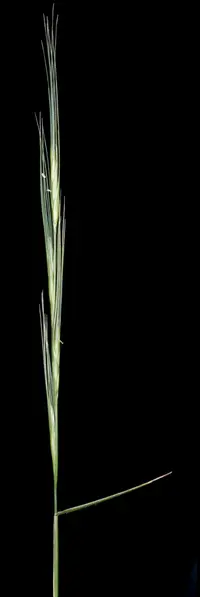
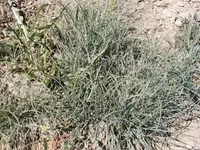
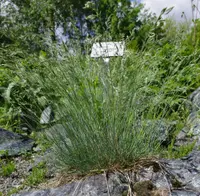
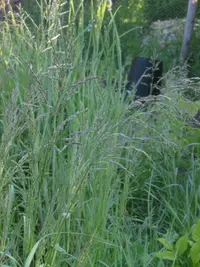
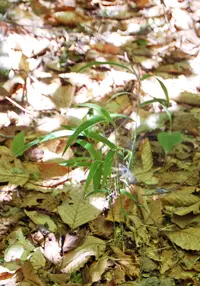
Northern shorthusk, Brachyelytrum aristosum, is a cool-season woodland grass native to eastern North America. It typically grows in loose, tufted clumps with graceful, arching stems. The foliage is narrow and soft-textured, and the airy flowering heads appear above the leaves, giving a light, informal look.

This species occurs in deciduous forests, shaded slopes, and moist, well-drained woodland edges. It tolerates shade and competition from tree roots, which makes it relatively adaptable in similar garden settings.

Gardeners who want to know how to care for northern shorthusk should note that it prefers dappled light, consistent but not saturated moisture, and humus-rich soil with good drainage.

Main Plant Requirements

Care Difficulty

Easy Care

Light Preference

Partial Shade

Water Requirements

Moderate Water

Temperature Preference

Cold Hardy

Hardiness Zone

3–7

Soil Texture

Loamy, Silty, Organic-rich

Soil pH

Acidic (5.5–6.5), Slightly acidic (6.5–7.0)

Soil Drainage

Moist but well-drained

Fertilization

Minimal (feed rarely)

Get Personalized Care Plan

Scan your plant to receive care tips personalized for your specific plant

Available on iOS and Android

How to Care for the northern shorthusk

This cool-season woodland grass prefers dappled light similar to an open forest edge.

  • Provide bright shade or filtered light, with 2–4 hours of gentle morning sun and protection from harsh midday and afternoon sun, especially in summer.
  • In cool, moist climates it can handle light open shade; in hotter regions, deeper shade prevents leaf scorching and stress to northern shorthusk.
  • If clumps thin, bleach, or brown at the tips, they likely receive too much sun; weak, floppy growth suggests too little light and more brightness is needed.

This species prefers evenly moist, well-drained soil that never stays waterlogged for long.

  • Allow the top 2–3 cm of soil to dry slightly between rains or irrigation, then water thoroughly so moisture reaches the root zone without creating standing water.
  • Increase watering during hot, dry spells when foliage starts to lose turgor or curl; reduce in cool, rainy periods to avoid soggy conditions that promote root rot.
  • Signs of overwatering include yellowing lower leaves and soft, rotting crowns, while dry, crisp leaf tips and slow growth suggest the need for deeper, less frequent soaking for Brachyelytrum aristosum.

This hardy woodland grass handles a wide temperature range but grows best in cool to mild conditions.

  • Active growth is strongest around 60–75°F (16–24°C), with cool nights encouraging dense, upright clumps and healthy foliage.
  • Mature plants tolerate winter cold in many temperate climates, often down to about -20°F (-29°C) with snow cover and mulched roots.
  • In summer, plants cope with brief heat up to 90°F (32°C) if soil stays moist and roots shaded; prolonged extreme heat with dry soil leads to leaf browning and dormancy.

This species tolerates a wide humidity range and usually does not need special humidity management outdoors.

This woodland grass prefers moist, well‑structured soil that stays evenly damp but not waterlogged.

  • Use a loose, loamy mix with high organic matter, such as garden loam blended with leaf mold or compost.
  • Ensure steady drainage by incorporating 20–30% coarse sand or fine gravel so water moves through but soil does not dry instantly.
  • Aim for slightly acidic to neutral pH around 6.0–7.0, which suits Brachyelytrum aristosum and supports nutrient availability.
  • Avoid heavy, compacted clay or constantly saturated spots, and break up dense ground with organic matter to improve aeration.

This species can be grown in containers if the pot is set up to mimic a cool, moist woodland root zone.

  • Choose a deep, stable container that allows fibrous roots to spread and keeps the planting mass from drying out too quickly in wind and sun.
  • Select a thicker-walled pot material, such as glazed ceramic, to slow moisture loss and keep root temperatures more even.
  • Raise the container slightly on pot feet so drainage holes stay clear and excess water escapes quickly after rain or irrigation.

This native woodland grass needs minimal feeding in most garden soils, so focus on maintaining organic matter rather than frequent fertilizer applications when caring for northern shorthusk.

  • If growth appears weak in lean soil, use a balanced, slow-release fertilizer (for example 10-10-10) in early spring.
  • Apply at 1/2 label strength to avoid forcing lush, floppy foliage in shaded sites.
  • Supplement with a thin layer of compost around the clump once a year during the growing season.
  • Avoid feeding in late fall or winter, since the plant is semi-dormant and nutrients will not be fully used.

Pruning needs for Brachyelytrum aristosum are light and mostly cosmetic, aimed at keeping the clump tidy and healthy.

  • Cut back dead or winter-damaged blades in early spring before new growth emerges.
  • Remove any browned or tattered leaves during the growing season with clean hand pruners or sharp scissors.
  • Thin out crowded or lodging stems at the base to maintain an upright, graceful form.
  • Avoid cutting into fresh green growth midseason unless removing clearly damaged or diseased tissue.

This grass is usually grown in the ground, so care focuses on site selection and gentle transplanting rather than frequent repotting.

  • Transplant in early spring or early fall, when temperatures are mild and soil moisture is steady.
  • Move clumps only when necessary, such as overcrowding, poor performance, or incorrect light conditions.
  • Lift with a wide root ball, disturbing roots as little as possible, and replant at the same soil depth.
  • Water thoroughly after transplanting and keep soil consistently moist, not waterlogged, for several weeks to reduce stress.

Brachyelytrum aristosum is most reliably propagated by division, with seed used mainly for larger restoration or naturalistic plantings.

  • Divide established clumps in early spring just as new shoots appear, using a sharp spade or knife.
  • Replant divisions immediately at the same depth in moist, well-drained soil and water well.
  • For seed, sow fresh seed in fall outdoors so natural cold stratification can break dormancy.
  • Keep seed or new divisions in light shade with even moisture until plants are well rooted.

This cool-climate woodland grass is generally cold hardy in its native range and needs little targeted winter care.

  • Tolerates typical frosts once established, especially in well-drained soil.
  • Leave dried foliage standing over winter to insulate the crown and provide habitat.
  • In exposed sites, apply a light 3–5 cm mulch around the base after the ground cools, keeping mulch off the crown.
  • Container-grown plants in colder areas can be overwintered in a sheltered, unheated but frost-moderated spot.

Care Tips

Edge planting strategy

Place clumps along the edge of woodland beds or paths so the arching seed heads stay visible and avoid being shaded out by taller perennials later in the season.

Gentle division timing

Divide established clumps only in early spring as new shoots emerge, then replant divisions at the same depth and water steadily for 2–3 weeks to reduce transplant shock.

Leaf-litter mulch use

Mulch lightly with shredded leaves rather than heavy bark so the soil stays cool and moist while still allowing new shoots to push through easily.

Self-seeding control

If naturalizing is not desired, shear or hand-cut seed heads as they turn tan to limit self-sowing while leaving the foliage intact for structure.

Companion plant buffering

Combine with shallow-rooted woodland perennials rather than aggressive groundcovers, which helps maintain consistent moisture and root space when growing northern shorthusk in mixed plantings.

Common Pests and Diseases

Leaf spot fungi

This disease causes small tan to brown lesions on blades, often with slightly darker margins, especially in moist, shaded sites.

Solution

Remove and dispose of heavily spotted foliage to reduce spore load, avoid overhead watering, and thin nearby vegetation to improve airflow; if leaf spots spread rapidly in ornamental plantings, a broad-spectrum fungicide labeled for turf and ornamental grasses can be used according to label directions.

Rust

This disease produces orange to brown powdery pustules on leaf surfaces, which can lead to premature browning and thinning of clumps in humid conditions.

Solution

Cut back and discard affected foliage, increase sun exposure and air movement where possible, and avoid prolonged leaf wetness; in severe or recurrent cases in ornamental beds, apply an appropriate grass rust fungicide preventively in early summer, following label instructions.

Grass aphids

These insects feed on leaf sap, causing slight curling, yellowing, and sticky honeydew that can attract sooty mold on dense plantings or potted specimens.

Solution

Rinse foliage with a firm stream of water to dislodge aphids, encourage natural predators such as lady beetles by avoiding broad-spectrum insecticides, and, if colonies persist, treat with insecticidal soap or a light horticultural oil, ensuring thorough coverage of both sides of the leaves.

Grasshoppers

These insects chew irregular holes and notches along leaf margins, which can make small clumps look ragged during dry summers or in open, meadow-like plantings.

Solution

Handpick individuals where practical, encourage habitat for natural predators such as birds, and, if damage is significant in ornamental displays, use floating row covers on young plantings or apply a targeted grasshopper bait away from children and pets, following local regulations.

Interesting Facts

Shade-tolerant woodland grass

This species is native to eastern North American forests and thrives in dry to moist shade under deciduous canopies, often where many other grasses struggle to persist.

Distinctive awned spikelets

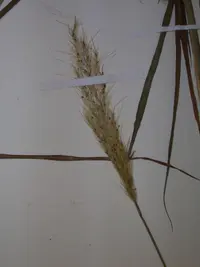
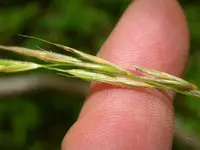
Its flowering spikes carry few, relatively large spikelets with long bristle-like awns on the lemmas, giving the inflorescence a loose, slightly bristly appearance compared with finer woodland grasses.

Early-season foliage display

Leaves often emerge and look fresh early in the growing season before tree canopies fully close, allowing the plant to take advantage of higher spring light levels on the forest floor.

FAQs about northern shorthusk

This cool-season woodland grass forms loose clumps and spreads slowly by short rhizomes and seed. It does not create dense, choking mats and is generally considered a polite spreader suitable for naturalistic plantings.

Grow Healthy Plants with Botan Care

Keep your plants happy and healthy with plant identification, disease detection, and easy care guidance.

Botan plant care app — identify plants on mobile

Explore More Plants