Clump Renewal
Every 3–4 years, slice out and discard the dead, straw-colored center of the clump in early spring, then replant only the youngest outer divisions to keep the plant dense and ornamental.

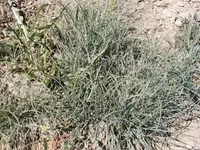
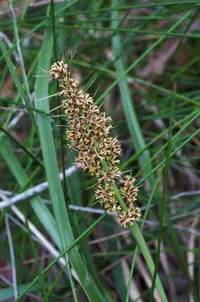
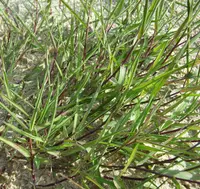
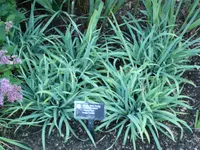
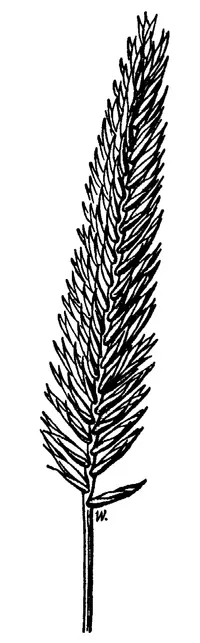
Idaho fescue, Festuca idahoensis, is a cool-season perennial bunchgrass native to western North America. It forms fine-textured clumps with narrow, often blue-green leaves and airy flower stems.
In the wild it occurs in open grasslands, dry slopes, and montane habitats, where it tolerates poor soils and low to moderate moisture. Its clumping habit and moderate growth rate make it relatively easy to manage in gardens and naturalistic plantings.
Gardeners who want to care for Idaho fescue should note that it prefers full sun, well-drained soil, and conditions that are not constantly wet. Once established, it usually needs little intervention beyond occasional cleanup of old foliage.

Care Difficulty
Easy Care

Light Preference
Full Sun

Water Requirements
Low Water

Temperature Preference
Cold Hardy

Hardiness Zone
4–9

Soil Texture
Sandy, Loamy, Rocky

Soil pH
Acidic (5.5–6.5), Slightly acidic (6.5–7.0)

Soil Drainage
Well-drained

Fertilization
Minimal (feed rarely)
Scan your plant to receive care tips personalized for your specific plant
Available on iOS and Android
This cool-season grass prefers bright, open conditions with moderate direct sun.
This bunchgrass prefers dry to moderately dry soil and is prone to root problems in wet conditions.
This species is adapted to cool summers and cold winters, with good frost tolerance.
This bunchgrass thrives in dry air and usually does not need humidity adjustments.
Festuca idahoensis prefers lean, well-drained, low-organic soil that mimics rocky or sandy native habitats.
This species is suitable for container growing outdoors if the pot is set up to drain quickly and stay relatively dry.
This native bunchgrass grows well in lean soils and usually needs minimal feeding.
Pruning keeps Festuca idahoensis tidy and maintains dense, attractive mounds.
This bunchgrass is most often grown in the ground, with container repotting needed only occasionally.
New plants are most often produced by division, with seed used for larger restoration or meadow plantings.
This cool-season, cold-hardy grass usually needs little special winter care in most temperate climates.

Plant Health Check
Not sure what's wrong with your plant? Check your plant's health inside the app.
This species forms dense, tufted clumps that tolerate cold, dry conditions in western North American mountains, allowing it to persist where many other grasses fail.
It is a dominant understory grass in sagebrush steppe ecosystems, stabilizing soil and providing fine root networks that reduce erosion on open, windy slopes.
Its very narrow, often blue-green leaves have a high surface-area-to-volume ratio and waxy coatings that reduce water loss and help the plant survive long summer droughts.

In parts of the northern Rocky Mountains and Intermountain West, Idaho fescue is considered a climax species, meaning it often represents the stable, long-term endpoint of plant succession in undisturbed grassland and sagebrush steppe communities.
Browning leaves usually result from drought stress, excess heat, or accumulated thatch around the clump. Compacted soil and heavy foot traffic also damage roots. Trim dead foliage, reduce stress, and allow time for new basal growth to emerge.
Keep your plants happy and healthy with plant identification, disease detection, and easy care guidance.