Blue Wheat Grass Care (Anthosachne scabra)

Also known as: Australian couch
Blue Wheat Grass

About Blue Wheat Grass

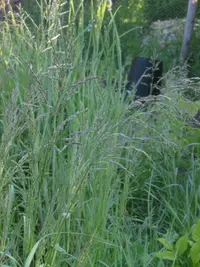
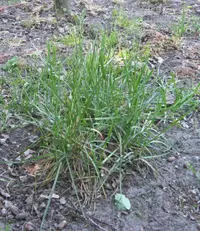
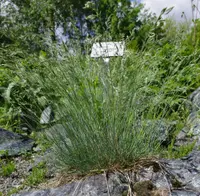
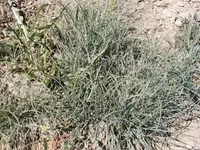
Blue wheat grass (Anthosachne scabra) is a cool-season perennial bunchgrass valued for its fine texture and bluish-gray foliage. It forms upright clumps that give a clean, architectural look in mixed plantings and meadow-style gardens.

This species is native to dry, open habitats in Australia and New Zealand, where it has adapted to lean soils and periods of drought. Its toughness and low water needs make it suitable for low-maintenance landscapes in similar climates.

It generally prefers full sun, well-drained soil, and only moderate moisture once established. These traits make it relatively easy to care for Blue Wheat Grass in gardens that do not stay wet for long periods.

Main Plant Requirements

Care Difficulty

Easy Care

Light Preference

Full Sun

Water Requirements

Low Water

Temperature Preference

Cool Climate

Hardiness Zone

7–10

Soil Texture

Sandy, Loamy, Rocky

Soil pH

Slightly acidic (6.5–7.0), Neutral (7.0)

Soil Drainage

Well-drained

Fertilization

Minimal (feed rarely)

Get Personalized Care Plan

Scan your plant to receive care tips personalized for your specific plant

Available on iOS and Android

How to Care for the Blue Wheat Grass

This cool-season grass prefers open, bright conditions that mimic sunny, temperate grasslands.

  • Provide full sun for 6–8 hours daily; it tolerates light afternoon shade in hotter regions.
  • Site Anthosachne scabra in an exposed position with unfiltered light; morning sun is especially beneficial for dense, upright growth.
  • In very hot summers, strong afternoon sun on dry soil can scorch leaf tips, while prolonged shade leads to lax, floppy foliage and reduced vigor.

This species prefers moderately dry conditions and suffers more from excess moisture than brief drought.

  • Allow the top 3–5 cm of soil to dry between waterings, then water thoroughly so moisture reaches the root zone without saturating it.
  • Use free-draining, gritty or sandy soil; waterlogged or compacted sites increase the risk of root rot and weak, patchy growth.
  • In cool seasons, reduce watering and rely more on rainfall; underwatering shows as rolled, blue-grey leaves, while overwatering causes yellowing and limp foliage.

This grass is adapted to temperate climates with cool to warm conditions and moderate seasonal variation.

  • Best active growth occurs around 55–75°F (13–24°C), with strongest performance in cool spring and autumn weather.
  • Mature plants typically tolerate down to about 15–20°F (-9 to -6°C) with minimal damage, though young plants benefit from some protection from hard freezes.
  • Heat tolerance is moderate; short periods to 90–95°F (32–35°C) are acceptable if soil is not waterlogged, but prolonged heat plus humidity can thin the clump.

This grass tolerates a wide humidity range and rarely needs special humidity management.

  • Performs well in 30–60% humidity, matching typical outdoor and indoor air in many homes.
  • Handles dry air with little stress if soil moisture is appropriate and roots are not waterlogged or extremely dry.
  • Watch for leaf tips browning and slow, coarse growth before increasing humidity by grouping plants or placing near a tray of water-wetted pebbles when caring for Blue Wheat Grass.

This species prefers lean, well-drained, mineral soils that mimic dry grassland conditions.

  • Use a sandy or gritty mix, such as 60–70% coarse sand or fine gravel blended with 30–40% loam-based potting soil.
  • Aim for slightly acidic to neutral pH, around 6.0–7.5, which supports stable nutrient availability without excess richness.
  • Improve drainage and aeration by adding materials like pumice, grit, or coarse perlite, especially in heavier native soils.
  • Avoid compacted clay, waterlogged sites, or heavily fertilized organic mixes, which can cause root rot and reduce longevity for Anthosachne scabra.

This species can be grown in containers, mainly for ornamental or controlled landscape uses.

  • Choose a deep, heavy container that resists tipping, as mature clumps can become tall and wind-sensitive.
  • Use a very free-draining, gritty medium so water runs out within seconds and the top layer dries quickly between irrigations.
  • Select light-colored pots in hot climates to limit root-zone overheating, which can stress plants in shallow or exposed containers.

This drought-tolerant grass needs minimal feeding, but light nutrition supports steady growth in poor soils when caring for Blue Wheat Grass.

  • Use a balanced, slow-release fertilizer (around 10-10-10) or a thin layer of compost at the start of spring growth.
  • Apply once in spring only; avoid repeated feeding that encourages weak, lush foliage.
  • Use at 1/2 the label rate for ornamental grasses to reduce burn risk in dry conditions.
  • Do not fertilize in late fall or winter, when growth is naturally slow or dormant.

Pruning Anthosachne scabra is mainly used to maintain a neat clump and remove old foliage.

  • Cut back dead or winter-browned leaves in late winter or very early spring before new growth emerges.
  • Remove damaged or crowded stems at the base to keep the plant open and reduce disease harboring debris.
  • Use clean, sharp shears or grass shears, cutting uniformly to maintain the natural arching shape.
  • Avoid cutting into actively growing green centers during the season, which can weaken overall vigor.

This grass is most often grown in the ground, so focus on transplanting rather than frequent repotting.

  • Transplant in early spring or early fall, when temperatures are mild and soil moisture is steady.
  • Look for signs such as crowded clumps, thinning centers, or slow growth indicating it benefits from lifting and dividing.
  • Dig widely around the root mass, lift gently, and replant at the same depth in well-drained soil.
  • Water thoroughly after transplanting, then keep soil lightly moist for 1–2 weeks to reduce root stress.

Propagation of Anthosachne scabra is commonly done by seed or by dividing established clumps.

  • Sow fresh seed in late winter to early spring in a free-draining mix, keeping it lightly moist and in bright light.
  • For division, lift mature clumps in early spring and separate them into several firm sections with healthy roots.
  • Replant divisions immediately at the same soil level and water well to settle soil around the roots.
  • Maintain moderate moisture and avoid heavy fertilization during establishment to encourage strong root systems.

This cool-season grass is generally cold hardy and needs minimal winter care in most temperate climates.

  • Tolerates typical light to moderate frosts; in very cold zones, expect foliage to brown back.
  • Leave dry foliage over winter to insulate the crown, then cut back in late winter or early spring.
  • In exposed sites, a light 2–5 cm mulch around (not over) the crown helps stabilize soil temperature.
  • Container plants in very cold regions benefit from being moved to a sheltered, unheated but frost-sheltered area.

Care Tips

Wind-hardening stands

In exposed sites, allow moderate wind but avoid solid barriers; use open-mesh fencing so plants flex slightly and develop stronger, more resilient culms that resist lodging in storms.

Rotational dividing

Every 3–4 years, divide only sections of a large clump at a time, leaving part undisturbed so the stand maintains cover while younger divisions renew vigor and reduce center die-out.

Seed head management

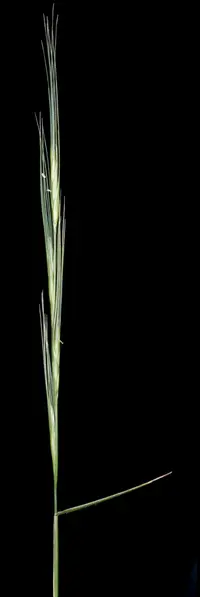
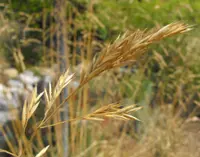
If self-seeding is not desired, shear or scythe the flowering stems just as seed heads begin to turn tan, which maintains a clean outline while still allowing the foliage to function fully.

Strip-grazing or cutting

For landscape or forage use, cut or graze in strips rather than the whole stand at once so some sections keep photosynthesizing and help the root system recover more quickly.

Erosion-control planting

On slopes or sandy ground, plant in staggered drifts and avoid straight rows; overlapping root zones knit the soil together and make caring for Blue Wheat Grass in erosion-prone sites more successful.

Common Pests and Diseases

Rust

This disease causes yellow to orange-brown pustules on leaves and stems, often leading to reduced vigor and premature leaf death in clumps of Anthosachne scabra.

Solution

Remove and dispose of heavily infected foliage, avoid overhead watering in dense plantings, and improve spacing for better airflow; in production or high-value plantings, apply a labeled grass rust fungicide preventively when humid conditions and early spotting appear as part of broader Anthosachne scabra care instructions.

Leaf spot

This disease produces small, water-soaked or tan lesions on leaves that can merge into larger dead patches, especially in dense stands or under prolonged leaf wetness.

Solution

Cut back and discard affected foliage, reduce irrigation on foliage by watering at soil level, and thin overcrowded clumps to improve air movement; in severe or recurrent cases, use a grass-appropriate fungicide according to label directions during wet, cool periods.

Aphids

These insects feed on grass leaves and young stems, causing slight curling, yellowing, and sticky honeydew that can attract sooty mold on ornamental plantings.

Solution

Spray infested foliage with a strong stream of water to dislodge colonies, encourage natural predators such as lady beetles, and, if needed, use insecticidal soap or a light horticultural oil, repeating applications until populations are controlled.

Armyworms

This pest consists of caterpillars that chew blades and can rapidly skeletonize or thin grass stands, especially in open, exposed plantings or nearby pasture-like areas.

Solution

Inspect plants at dusk or early morning and hand-pick caterpillars where feasible, reduce nearby tall weeds that shelter larvae, and, if damage is extensive, apply a Bacillus thuringiensis (Bt) or other grass-safe biological insecticide targeting young larvae.

Interesting Facts

Native tussock grass

This species forms dense tussocks and is native to dry, open habitats in New Zealand and southeastern Australia, where it is naturally adapted to wind, sun, and nutrient-poor soils.

Remarkable drought tolerance

It has a deep and fibrous root system that allows the plant to access moisture from deeper soil layers, which supports its survival in seasonally dry grasslands and rocky slopes and is important for Anthosachne scabra care instructions in exposed sites.

Role in native grasslands

In its natural range, it contributes to grassland structure, helps stabilize soil, and provides habitat and forage for native invertebrates and grazing animals, especially in less intensively managed or semi-natural pastures.

FAQs about Blue Wheat Grass

Brown leaf tips usually result from drought stress, excess heat, or salt buildup from fertilizers or de-icing salts. Improve drainage, flush the soil occasionally, and trim damaged tips. Persistent browning can also follow natural aging of older foliage.

Grow Healthy Plants with Botan Care

Keep your plants happy and healthy with plant identification, disease detection, and easy care guidance.

Botan plant care app — identify plants on mobile

Explore More Plants