Acmella caulirhiza Care

Acmella caulirhiza

About Acmella caulirhiza

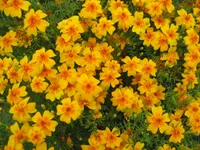
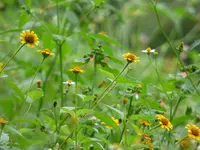
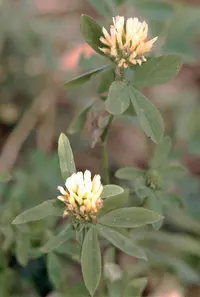
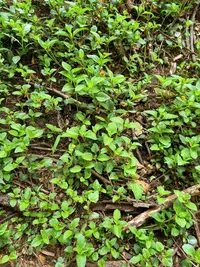
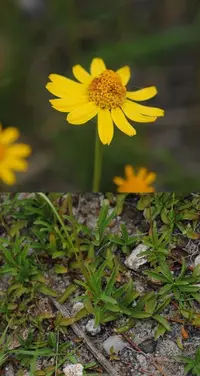
Acmella caulirhiza is a small, herbaceous perennial in the Asteraceae family, known for its low, branching habit and bright, button-like flower heads. It typically forms a loose mound of green foliage with slender stems that may sprawl or lightly trail.

This species is native to parts of tropical Africa, where it grows in warm, relatively moist habitats, often in open or lightly shaded sites. In cultivation, it is valued for fast growth and its adaptability, which makes it fairly easy to manage when basic needs are met.

Gardeners who want to care for Acmella caulirhiza should provide a sunny to lightly shaded spot, well-drained soil, and consistent moisture without prolonged waterlogging.

Main Plant Requirements

Care Difficulty

Moderate Care

Light Preference

Full Sun

Water Requirements

Regular Water

Temperature Preference

Tropical / Frost Sensitive

Hardiness Zone

10–12

Soil Texture

Loamy, Sandy, Organic-rich

Soil pH

Acidic (5.5–6.5), Slightly acidic (6.5–7.0)

Soil Drainage

Moist but well-drained

Fertilization

Light (every 4–6 weeks)

Get Personalized Care Plan

Scan your plant to receive care tips personalized for your specific plant

Available on iOS and Android

How to Care for the Acmella caulirhiza

This sun-loving herb thrives in bright, warm conditions but benefits from some protection from intense midday rays.

  • Provide 6–8 hours of sun daily, ideally with morning sun and light afternoon shade, especially in hot summer climates.
  • Allow partial shade (around 3–4 hours direct sun) where summers are very hot, noting flowering may reduce slightly in lower light.
  • Watch for pale, leggy stems as a sign of too little light, and for scorched, crispy leaf edges if Acmella caulirhiza receives harsh afternoon sun.

This species prefers consistently moist, but not waterlogged, soil during active growth.

  • Water when the top 2–3 cm of soil feels slightly dry, aiming for evenly moist soil around the root zone rather than alternating drought and saturation.
  • Increase watering in hot, windy weather and during peak flowering, then reduce frequency as growth slows in cooler seasons.
  • Ensure soil drains freely; yellowing, soft stems suggest overwatering and root stress, while wilting and dull, curling leaves indicate underwatering.

This warm-season herb grows best in stable, frost-free conditions.

  • Aim for 70–85°F (21–29°C) for vigorous growth, as this range supports steady leaf and flower production.
  • Protect plants whenever temperatures approach 40°F (4°C), since light frost can damage foliage and repeated cold can kill roots.
  • In hot spells above 95°F (35°C), growth may slow; provide afternoon shade and mulch to keep roots cooler and reduce moisture loss for reliable Acmella caulirhiza care.

This species prefers moderately moist air but adapts to typical home humidity.

  • Aim for 40–60% humidity to support steady foliage and flowering of Acmella caulirhiza.
  • Tolerates brief dry indoor air, but prolonged levels under 30% can slow growth and cause leaf-edge browning.
  • Increase humidity with a nearby water tray, grouped plants, or a small room humidifier rather than misting leaves.

Soil for this species should be loose, evenly moist, and fast-draining.

  • Use a light loam or potting mix enriched with compost to provide organic matter and retain moderate moisture.
  • Ensure sharp drainage by blending in 20–30% perlite or coarse sand so roots do not sit in stagnant water.
  • Acmella caulirhiza grows well in slightly acidic to neutral soil, roughly pH 6.0–7.0.
  • Avoid heavy clay, compacted ground, or mixes that stay soggy, which reduce aeration and increase root rot risk.

This species adapts well to container growing when moisture and drainage are balanced.

  • Select a wide, moderately deep pot to accommodate its spreading root system and keep the plant from becoming unstable in wind.
  • Choose a container material that matches your climate, such as plastic in hot, dry areas to slow water loss or clay in humid areas to prevent waterlogging.
  • Elevate the pot on feet or bricks so drainage holes release water freely and the lower root zone receives more oxygen.

This species grows in modest soils but responds well to light feeding during the warm growing season.

  • Use a balanced liquid fertilizer (for example 10-10-10) at 1/4–1/2 strength every 3–4 weeks while plants are actively growing.
  • Alternatively, apply a thin layer of mature compost or a low-dose slow-release fertilizer at planting time.
  • In poor or very sandy soils, supplement compost with a diluted balanced NPK feed to maintain vigor.
  • Stop feeding Acmella caulirhiza in late fall and avoid fertilizing during winter dormancy.

Light pruning helps keep Acmella caulirhiza compact and flowering well.

  • Use clean, sharp scissors or hand pruners to remove dead, damaged, or diseased stems as needed during the season.
  • Pinch or trim back lanky or crowded shoots in late spring or early summer to encourage bushier growth and more flower heads.
  • Deadhead spent flower stalks close to a leaf node to promote further blooming and reduce unwanted self-seeding.
  • Cut back frost-killed top growth to just above ground level at the end of the season, then remove debris.

This plant is usually treated as a bedding or short-lived perennial, so transplanting matters more than frequent repotting.

  • Transplant seedlings or young Acmella caulirhiza outdoors after frost when roots lightly fill starter cells but are not tightly circling.
  • Move container plants up 1 pot size only when roots are crowded, growth slows, or watering frequency becomes very high.
  • Transplant in late spring or early summer into loose, well-drained soil, keeping the root ball intact and planting at the same depth.
  • Water thoroughly after moving, then keep soil evenly moist and shaded from strong midday sun for several days to reduce transplant shock.

Propagation is most common from seed, with warm conditions needed for reliable germination.

  • Sow fresh seeds in late winter to spring, indoors or under cover, using a fine, moist seed-starting mix.
  • Press seeds onto the surface; do not bury deeply, as light aids germination for many small-seeded species.
  • Maintain 70–75°F, consistent moisture, and good air circulation until seedlings emerge and develop true leaves.
  • For extended flowering, start several batches of Acmella caulirhiza seed at 2–3 week intervals.

In cooler climates this warmth-loving species usually behaves as a tender annual and does not tolerate hard frost.

  • Expect above-ground growth to die back with the first freezes, especially below about 32°F.
  • In mild regions, add a light mulch layer around the root zone to buffer temperature swings and soil heaving.
  • Grow plants in containers in colder areas and move them indoors to a bright, cool, frost-free space before freezing nights.

Care Tips

Pinch For Bushiness

Pinch out the soft tips of young stems every 2–3 weeks to encourage branching and a denser canopy, which increases flower bud production.

Staggered Harvesting

Harvest leaves and flower heads in small sections across the plant rather than stripping one side, so the root system stays balanced and regrowth remains strong.

Short-Lived Perennial Management

Treat plants as short-lived perennials by re-sowing or propagating from stem cuttings every 1–2 years to maintain vigorous growth and consistent medicinal yield.

Targeted Pest Monitoring

Inspect the undersides of leaves and young flower stalks weekly for aphids and leaf-chewing insects, and remove early infestations with a strong water spray or insecticidal soap before they spread.

Moisture Buffer Mulch

Apply a 2–3 cm layer of fine organic mulch around but not touching the stems to stabilize soil moisture and reduce splash-up that can carry fungal spores when caring for Acmella caulirhiza.

Common Pests and Diseases

Leaf-chewing caterpillars

This pest feeds on the soft foliage and flower heads, leaving irregular holes and ragged edges on leaves. Symptoms include rapid defoliation on young plants, especially in warm, humid conditions.

Solution

Hand-pick caterpillars in the early morning or evening and remove heavily damaged leaves to reduce feeding sites. For larger infestations, use a targeted biological control such as Bacillus thuringiensis (Bt) on foliage, and limit night lighting that attracts egg-laying moths near planting areas when growing Acmella caulirhiza outdoors.

Aphids

These insects cluster on tender shoots and flower stalks, sucking sap and causing curling, distortion, and sticky honeydew deposits. Sooty mold may develop on the honeydew, making leaves look dark and dirty.

Solution

Spray infested stems and leaves with a strong stream of water to dislodge aphids, then treat remaining colonies with insecticidal soap or a light horticultural oil, ensuring good coverage of undersides of leaves. Encourage natural predators such as lady beetles outdoors and avoid excess nitrogen fertilization, which promotes soft, aphid-prone growth.

Spider mites

This pest thrives in hot, dry conditions and causes fine stippling, pale patches, and eventual bronzing of leaves. Fine webbing may be visible between stems and leaf undersides on heavily infested plants.

Solution

Increase humidity around the plant, rinse foliage thoroughly with lukewarm water, and wipe leaves to remove mites and webbing. For persistent problems, apply miticidal soap or horticultural oil at 5–7 day intervals, ensuring repeated coverage of leaf undersides and improving air movement to prevent reinfestation.

Leaf spot

This disease produces small, water-soaked lesions that turn brown or black and may merge into larger dead patches on leaves. Symptoms include premature yellowing and drop of older foliage, especially in dense, wet plantings.

Solution

Remove and discard affected leaves promptly and avoid overhead watering that keeps foliage wet for long periods. Space plants to improve air circulation, water at soil level, and, if outbreaks continue, use a copper-based or other labeled fungicide during humid periods, following local guidelines.

Powdery mildew

This disease appears as white to gray powdery patches on leaves, stems, and sometimes flower stalks, leading to distorted new growth and reduced vigor. Symptoms include dull, faded-looking foliage even when the plant is otherwise well-watered.

Solution

Improve air circulation by thinning dense growth and avoiding overcrowding, and water early in the day so foliage dries quickly. Remove heavily infected leaves and, if needed, apply a sulfur-based or other labeled powdery mildew fungicide, focusing on young, actively growing tissues and maintaining moderate, stable light and moisture conditions for better Acmella caulirhiza care instructions.

Interesting Facts

East African origin

This species is native to moist regions of East Africa, especially around Tanzania and nearby areas, where it grows in disturbed ground, grasslands, and cultivated fields.

Edible leafy vegetable

In several East African communities the young leaves and tender shoots are cooked and eaten as a leafy vegetable, often mixed with other greens in everyday dishes.

Numbing, tingling taste

Chewing the fresh flower heads or leaves produces a characteristic numbing and tingling sensation in the mouth due to spilanthol, a well-studied alkamide compound also found in its better-known relative Acmella oleracea.

Botan icon

Did you know?

In parts of East Africa this species is sometimes maintained in home gardens as a small multipurpose plant, valued both as a pungent pot herb and as a convenient source of tingling flower heads used in traditional chewing practices.

FAQs about Acmella caulirhiza

The flowers are rich in nectar and pollen, so they often attract bees, small native bees, hoverflies, and sometimes butterflies. Planting several together and avoiding broad-spectrum insecticides will significantly increase pollinator activity around the planting.

Grow Healthy Plants with Botan Care

Keep your plants happy and healthy with plant identification, disease detection, and easy care guidance.

Botan plant care app — identify plants on mobile

Explore More Plants