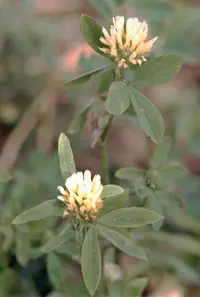
muster John Henry Care (Tagetes minuta)

Also known as: wild marigold, Southern Marigold, Mexican Marigold, Khaki Weed, Khakibos, Tall Khaki Weed, Kahki Weed, Khakibush Weed, Master John-Henry, Stinking Roger
muster John Henry

About muster John Henry

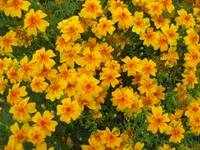
Muster John Henry is a tall, fast-growing marigold type, botanically known as Tagetes minuta. It is an aromatic annual herb with finely divided, fern-like foliage and small creamy flower clusters. Plants often form dense, upright stands. The strong scent comes from its essential oils, which are used in flavoring, perfumery, and traditional practices. Tagetes minuta is native to South America but is now naturalized in many warm and temperate regions. It tends to be resilient and vigorous, which makes it relatively straightforward to manage in the garden. Those who want to care for muster John Henry should note that it prefers full sun, moderate moisture, and well-drained soil.

Main Plant Requirements

Care Difficulty

Easy Care

Light Preference

Full Sun

Water Requirements

Moderate Water

Temperature Preference

Tropical / Frost Sensitive

Hardiness Zone

9–11

Soil Texture

Sandy, Loamy, Organic-rich

Soil pH

Acidic (5.5–6.5), Slightly acidic (6.5–7.0)

Soil Drainage

Well-drained

Fertilization

Minimal (feed rarely)

Get Personalized Care Plan

Scan your plant to receive care tips personalized for your specific plant

Available on iOS and Android

How to Care for the muster John Henry

Tagetes minuta thrives in strong sun but benefits from some protection in very hot climates.

  • Provide 6–8 hours of direct sun daily; in hot inland areas, aim for morning sun with light afternoon shade to prevent leaf scorch.
  • Plants tolerate light partial shade (3–4 hours sun), but flowering and oil production may drop with less exposure.
  • When caring for muster John Henry outdoors, adjust for season: site in full sun in spring and fall, and give midday shade screens in peak summer where summers exceed 90°F (32°C).

Tagetes minuta prefers evenly moist, well-drained soil without staying soggy.

  • Water when the top 3–5 cm of soil feels dry, applying a slow, deep soak so moisture reaches the root zone, then allow excess to drain fully.
  • Reduce watering in cool or cloudy weather; increase checks during hot, windy periods when soil dries faster, especially in sandy beds.
  • Watch for overwatering signs such as yellowing, limp lower leaves and a sour soil smell, and underwatering signs like dull, drooping foliage that recovers soon after watering.

This species grows best in warm, frost-free conditions with moderate heat.

  • Aim for 70–85°F (21–29°C) for active growth; germination and early seedlings perform well from 68–77°F (20–25°C).
  • Plants are frost-tender and usually damaged below 32°F (0°C); growth slows noticeably once temperatures drop under about 50°F (10°C).
  • Mature plants tolerate short spikes to 95–100°F (35–38°C) if soil moisture is adequate, but prolonged extreme heat plus drought can stunt growth and reduce flowering.

Tagetes minuta handles a wide humidity range and usually does best in 30–60% humidity.

  • Tolerates typical dry indoor air but benefits from 40–50% humidity for more vigorous growth.
  • Leaves may curl, brown at tips, or feel crispy if air stays below 30% for long periods.
  • Increase humidity by grouping plants, placing near other greenery, or using a nearby tray of water and stones when caring for muster John Henry.

Tagetes minuta prefers light, well-drained soil that never stays waterlogged.

  • Use a loose sandy or loamy mix with 30–40% compost to supply nutrients while staying airy.
  • Aim for slightly acidic to neutral pH around 6.0–7.0 for steady nutrient uptake and root activity.
  • Improve drainage and aeration by blending in coarse sand or perlite at 20–30% of the mix volume.
  • Avoid heavy clay, compacted beds, or mixes high in un-decomposed organic matter that hold water for many hours.

This species grows reliably in containers when given enough depth and stable drainage.

  • Choose a pot at least 25–30 cm deep so the long taproot can extend without curling tightly around the base.
  • Select a heavier clay or ceramic pot outdoors to reduce tipping as tall stems and foliage catch wind.
  • Raise the container slightly on pot feet or bricks so drainage holes stay free and runoff clears quickly after watering.

This fast-growing herb benefits from light, consistent feeding rather than heavy fertilization when caring for muster John Henry or other Tagetes minuta plants.

  • Use a balanced liquid fertilizer (e.g., 10-10-10) at 1/2 strength every 3–4 weeks during the active growing season.
  • Alternatively, mix in a thin layer of mature compost or use a slow-release granular fertilizer at planting time.
  • Water before and after feeding to avoid root burn and help nutrients distribute through the root zone.
  • Stop or reduce feeding to 1 light application for the whole period in late fall or winter, especially for indoor plants.

Thoughtful pruning keeps Tagetes minuta compact, productive, and flowering well.

  • Start light pruning once plants reach 15–20 cm, pinching soft shoot tips to encourage bushier growth and more flowering stems.
  • During the growing season, remove dead, damaged, or crossing stems with clean scissors or hand pruners.
  • Deadhead spent flower clusters to extend the blooming period and maintain a tidy outline.
  • At season’s end, cut plants back to ground level and remove debris to limit self-seeding and pests.

This species is usually grown as an annual in beds, so transplanting seedlings correctly matters more than long-term repotting.

  • Transplant outdoors in spring after frost once seedlings have 2–3 true leaves and soil has warmed.
  • If container-grown, shift to a slightly larger pot when roots circle the drainage holes or growth slows noticeably.
  • Water seedlings well a few hours before moving, then handle by the root ball or leaves, not by the stem, to reduce root stress.
  • Plant into loose, well-drained soil at the same depth as before, then water thoroughly and shade lightly for 1–2 days.

Most gardeners propagate this plant from seed because Tagetes minuta grows quickly and flowers in its first season.

  • Sow seeds in early to mid-spring under cover or directly outdoors after frost risk has passed.
  • Use a light, well-drained seed mix, barely cover the seeds, and keep the surface evenly moist until germination.
  • Maintain temperatures around 65–75°F with good light to achieve reliable sprouting within about 7–14 days.
  • Thin or transplant seedlings so that mature plants have space for airflow, reducing disease and encouraging strong growth.

This warm-season annual usually dies back with hard frost, so long-term winter care is minimal in most climates.

  • In regions with mild winters, a light mulch layer can help roots persist slightly longer into the cool season.
  • For container plants, move pots indoors to a bright, cool, frost-free spot if continued growth is desired.
  • Remove blackened, frost-killed foliage promptly to discourage fungal issues and unwanted self-seeding.

Care Tips

Companion border use

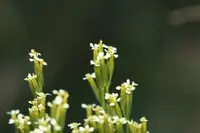
Plant in a perimeter band around vegetable beds to help repel certain nematodes and insect pests, but remove flowering tops before seeds set to prevent unwanted self-sowing.

Timed green manuring

For soil improvement, cut plants back and incorporate the soft green material into the top 10–15 cm of soil at least 3–4 weeks before planting the next crop so it has time to decompose.

Controlled height management

Pinch out the main stem tips when plants reach 20–30 cm to encourage a bushier shape and reduce lodging, especially in windy or exposed sites.

Essential oil harvest timing

For those using the aromatic foliage, harvest leaves and young shoots in the morning after dew has dried, when oil content and fragrance are typically highest.

Targeted self-seeding control

If you only want a small patch next season, allow a few flower heads to mature and dry on the plant, then collect and store seed in a paper envelope rather than letting all plants drop seed freely.

Common Pests and Diseases

Aphids

This pest often clusters on tender shoot tips and flower stems, sucking sap and causing curling or distortion of leaves and buds.

Solution

Rinse colonies off with a firm stream of water, then follow up with insecticidal soap or a light horticultural oil, making sure to coat the undersides of leaves. Encourage or introduce natural predators such as lady beetles, and avoid heavy nitrogen fertilization that promotes very soft, aphid-prone growth when trying to grow Tagetes minuta.

Spider mites

These insects thrive in hot, dry conditions and cause fine speckling, bronzing, and eventual leaf drop, often accompanied by delicate webbing.

Solution

Increase humidity around plants, then hose down foliage thoroughly to remove mites and webs. Apply insecticidal soap or a miticidal horticultural oil to all leaf surfaces at 5–7 day intervals until new growth appears clean, and improve airflow to reduce future flare-ups.

Whiteflies

This pest forms cloud-like swarms when plants are disturbed and feeds on leaf sap, leaving behind sticky honeydew and sometimes sooty mold growth.

Solution

Use yellow sticky traps to monitor and reduce adult populations, and regularly shake or tap plants to disturb resting insects. Treat leaf undersides with insecticidal soap or horticultural oil in the early morning, repeating weekly until numbers drop, and remove heavily infested foliage if possible.

Botrytis blight

This disease develops in cool, humid conditions, causing water-soaked spots on leaves and flowers that turn brown and develop gray, fuzzy mold.

Solution

Remove and discard all affected plant parts promptly and avoid overhead watering, especially late in the day. Improve spacing and airflow, keep foliage as dry as possible, and in persistent cases use a labeled fungicide as a protective spray during cool, damp spells.

Alternaria leaf spot

Symptoms include small dark lesions on leaves that enlarge into circular or irregular spots, sometimes with concentric rings and yellow halos, leading to premature defoliation in severe cases.

Solution

Prune out and destroy infected leaves, keep the plant base free of plant debris, and water at soil level to keep foliage dry. Rotate planting areas each year, provide good spacing for air movement, and use a preventive fungicide only if spots spread rapidly despite cultural corrections as part of broader Tagetes minuta plant care.

Interesting Facts

Powerful allelopathic roots

This species releases allelopathic chemicals from its roots that suppress the growth and germination of certain weeds and some parasitic nematodes in the soil, which is why it is often used as a green manure in crop rotations.

Strong anise-like aroma

Its foliage and glands produce a distinctive pungent scent often described as anise or tarragon-like, caused by essential oils rich in compounds such as (Z)-β-ocimene and dihydrotagetone.

South American highland native

The plant is native to the Andean regions of South America, where it occurs in disturbed habitats and field margins, and has since naturalized in many warm-temperate and subtropical regions worldwide as both a useful and sometimes invasive species.

Botan icon

Did you know?

The essential oil distilled from this species, sometimes marketed as tagetes or huacatay oil, is used in perfumery and flavoring for its complex herbaceous-fruity scent, but is handled carefully in industry due to its content of phototoxic thiophenes that can increase skin sensitivity to sunlight.

FAQs about muster John Henry

Lack of flowers usually comes from low light, poor nutrition, or crowding. Ensure full sun, avoid excessive nitrogen fertilizer, and give enough space. Removing spent flower heads can also redirect energy into new bud formation.

Grow Healthy Plants with Botan Care

Keep your plants happy and healthy with plant identification, disease detection, and easy care guidance.

Botan plant care app — identify plants on mobile

Explore More Plants