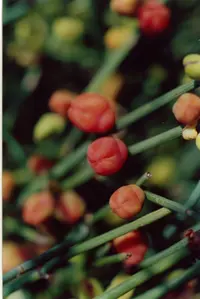
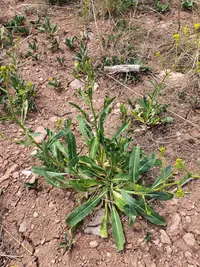
Cabbage Care (Brassica oleracea var. ramosa)

Also known as: Kale, Wild Cabbage
Cabbage

About Cabbage

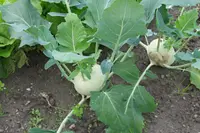
Cabbage, Brassica oleracea var. ramosa, is a cool-season leafy vegetable grown for its compact heads of layered, crisp leaves. It belongs to the brassica group, related to broccoli and kale.

Plants form low rosettes that develop into firm, rounded heads in green, reddish, or purple tones, depending on the variety. They are typically grown as annuals in home gardens and small farms.

This cabbage type originates from temperate regions of Europe and has been widely adapted to similar climates worldwide. It is considered fairly easy to grow if temperatures stay cool and soil fertility is maintained.

Consistent moisture, full sun, and nutrient-rich, well-drained soil are key factors when learning how to care for Cabbage.

Main Plant Requirements

Care Difficulty

Moderate Care

Light Preference

Full Sun

Water Requirements

Regular Water

Temperature Preference

Cool Climate

Hardiness Zone

2–11

Soil Texture

Loamy, Sandy, Organic-rich

Soil pH

Acidic (5.5–6.5), Slightly acidic (6.5–7.0)

Soil Drainage

Moist but well-drained

Fertilization

Moderate (every 2–4 weeks)

Get Personalized Care Plan

Scan your plant to receive care tips personalized for your specific plant

Available on iOS and Android

How to Care for the Cabbage

This cool-season leafy crop grows best with strong, consistent outdoor light exposure.

  • Provide 6–8 hours of direct sun daily, favoring morning sun and light afternoon shade in hot summers to reduce leaf scorch and bolting.
  • Plants tolerate partial shade (3–5 hours direct sun) but heads stay smaller and mature more slowly; yields drop in dense shade.
  • In late spring and summer, use shade cloth or plant near taller crops for filtered afternoon light; in cool seasons, give as much open sun as possible for compact Cabbage growth.

This plant prefers steadily moist, not saturated, soil for firm, healthy heads.

  • Irrigate when the top 3–5 cm of soil feels dry, applying a deep soak at the base so moisture reaches 15–20 cm rather than frequent shallow splashes.
  • Use well-drained, loamy soil; yellowing lower leaves, a sour smell, or soft stems suggest overwatering, while limp, dull, bluish leaves that perk up after rain indicate underwatering.
  • In cool spring and fall, watering needs drop; in hot, windy weather, check soil daily, mulch 5–8 cm deep, and avoid wetting foliage late in the day to limit disease on Brassica oleracea var. ramosa.

This cool-weather crop performs best in mild conditions without strong heat or hard frost.

  • Aim for 55–70°F (13–21°C) for active growth; plants can still grow, but more slowly, at 45–55°F (7–13°C).
  • Established plants tolerate short dips to 28–30°F (-2 to -1°C) with minor leaf damage, but repeated hard freezes can split heads and injure growing points.
  • Sustained heat above 80–85°F (27–29°C) increases bolting and loose heads; use mulch and light shade in summer and schedule main crops for spring and fall in most regions.

Humidity is rarely a limiting factor for Brassica oleracea var. ramosa grown outdoors in typical temperate climates.

This plant performs best in fertile, well-structured mineral soil that drains freely yet retains steady moisture.

  • Use a loamy soil with 3–5 cm of incorporated compost to provide organic matter and stable structure.
  • Aim for slightly acidic to neutral pH around 6.5–7.2 to support nutrient availability and reduce clubroot risk.
  • Improve drainage and aeration by mixing coarse sand or fine gravel into heavy clay before planting Brassica oleracea var. ramosa.
  • Avoid compacted, waterlogged, or very sandy soils that either stay saturated or dry out within a few hours after watering.

This species can be grown in containers if the pot is large and managed to avoid moisture extremes.

  • Choose a container at least 30–35 cm deep so the taproot and lateral roots can anchor without curling tightly at the base.
  • Use a heavy, stable pot or weight the base to prevent tall, leafy growth from tipping in strong wind.
  • Select a thick-walled plastic or glazed pot to slow evaporation so the mix does not swing quickly between soggy and bone dry.

This leafy Brassica benefits from moderate, consistent nutrition to support fast growth and leaf production.

  • Use a balanced NPK fertilizer (such as 10-10-10) or well-rotted compost in nutrient-poor soils before planting.
  • During the main growing season, feed every 3–4 weeks with a half-strength liquid or slow-release product.
  • Avoid high-nitrogen overfeeding, which can cause soft growth and reduce overall plant sturdiness.
  • In late fall and winter, stop feeding, as growth slows and excess nutrients may leach from the soil.

Pruning Brassica oleracea var. ramosa is light and mainly focused on hygiene and maintaining productive foliage.

  • Carry out most pruning during active growth, removing yellowing, diseased, or pest-damaged leaves promptly.
  • Use clean, sharp scissors or hand pruners to cut leaves at the base without tearing stems.
  • Thin crowded inner leaves to improve airflow, reducing fungal issues and supporting stronger outer growth.
  • Remove any flowering shoots if leafy production is desired, since flowering diverts energy from foliage.

This plant is usually grown in beds or vegetable plots, so care focuses on transplanting rather than long-term container culture.

  • Transplant sturdy seedlings outdoors when they have 3–4 true leaves and night temperatures stay above about 45°F.
  • If started in cells or pots, move them once roots hold the soil plug but are not yet circling heavily.
  • Plant into loose, fertile, well-drained soil at the same depth, firming gently around roots to remove air pockets.
  • Water thoroughly after transplanting and shade for 2–3 days if sun is strong to reduce transplant shock.

New plants are most commonly raised from seed, which is straightforward and reliable for this Brassica.

  • Sow seeds in late winter to early spring indoors, or early spring outdoors once soil is workable.
  • Use a fine, moist seed-starting mix, covering seeds lightly and keeping at 60–70°F for quick germination.
  • Provide bright light and good airflow for seedlings, avoiding waterlogged conditions that cause damping-off disease.
  • Harden off young plants for 7–10 days before planting into the garden, gradually increasing outdoor exposure.

In many temperate regions this crop is grown as a cool-season annual, so winter care focuses on extending harvest rather than long-term survival.

  • Plants tolerate light frosts, but sustained hard freezes can damage outer leaves and growing points.
  • Apply 5–8 cm of straw or leaf mulch around the base to insulate roots and moderate soil temperature.
  • In very cold climates, use row covers, cloches, or unheated tunnels to reduce freeze injury and wind stress.
  • Container-grown plants in small pots can be moved into a cool, bright, frost-free space to finish maturing heads.

Care Tips

Staggered Succession Planting

Sow small batches every 2–3 weeks rather than all at once so plants mature in waves, which reduces sudden nutrient demand and spreads out harvest time.

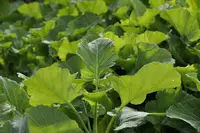
Targeted Row Cover Use

Install lightweight insect netting or floating row covers immediately after sowing or transplanting and keep edges well sealed to prevent cabbage white butterflies and flea beetles from reaching the plants, removing covers only once heads begin to size up and weather warms significantly.

Firm Soil Footing

After transplanting, gently heel in soil around each plant with your boot or hand to create a firm root zone, which stabilizes stems against wind rock and encourages stronger root anchoring.

Rotate With Non‑Brassicas

Plan beds so this crop does not follow any other brassicas for at least 3–4 years, which significantly lowers risk of clubroot and soil-borne diseases when growing Cabbage.

Targeted Side Dressing

Apply a narrow band of balanced granular fertilizer 5–8 cm away from the stem once plants are established, then lightly hoe it into the topsoil and water, which feeds the active root zone while reducing nutrient loss and fertilizer burn.

Common Pests and Diseases

Cabbage aphids

These insects cluster on young leaves and stems, sucking sap and causing curling, yellowing, and sticky honeydew that can attract sooty mold. Heavy infestations stunt heads and reduce yield quality.

Solution

Control by spraying plants with a strong stream of water, then treating undersides of leaves with insecticidal soap or neem oil every 5–7 days until populations drop. Remove heavily infested outer leaves and encourage beneficial insects such as lady beetles by avoiding broad-spectrum insecticides when caring for Cabbage outdoors or in protected beds.

Cabbage white caterpillars

This pest is the larval stage of the small white butterfly and chews large, irregular holes in leaves, often leaving only midribs on young plants. Symptoms include greenish droppings on leaf surfaces and reduced head formation.

Solution

Hand-pick caterpillars and egg clusters from leaves and destroy them, especially on young plants. Cover beds with fine mesh or row cover to exclude butterflies, and if needed apply Bacillus thuringiensis kurstaki (Bt) to leaf surfaces, reapplying after rain according to label directions.

Clubroot

This disease is caused by a soil-borne organism that leads to swollen, distorted roots and wilting foliage that does not recover fully after watering. Symptoms include stunted growth, yellowing leaves, and plants that collapse in warm weather.

Solution

Remove and destroy infected plants including as much root as possible, and do not compost them. Rotate out of all Brassica crops for at least 4–7 years, raise soil pH toward 7.2–7.5 with garden lime if appropriate, improve drainage, and avoid moving potentially contaminated soil or tools between beds.

Black rot

This disease produces yellow V-shaped lesions on leaf edges that progress inward, often with darkened veins, and can cause premature leaf drop and poor head or sprout development. In humid conditions, symptoms worsen and spread along the vascular tissue.

Solution

Promptly remove and discard infected leaves and entire plants if severely affected, and avoid overhead watering that keeps foliage wet. Use certified clean seed, practice a 3–4 year rotation away from Brassicas, disinfect tools, and provide good spacing and airflow so foliage dries quickly.

Flea beetles

These insects are small, jumping beetles that create many tiny shot-hole lesions in leaves, which can severely weaken seedlings and young plants. Damage is often most intense in warm, dry weather soon after transplanting or emergence.

Solution

Protect young plants with floating row covers and use sticky traps to monitor populations. Keep soil evenly moist, use mulch to reduce dust, and if damage remains high, apply a targeted product such as spinosad to foliage in the evening, following label instructions and avoiding treatment during peak pollinator activity.

Interesting Facts

Distinct branching habit

This cabbage form develops many small lateral branches rather than a single tight head, which creates a looser, more open plant architecture compared with standard headed cabbages.

Leaf and bud variation

It is selected for its numerous tender side shoots and leaves, which can differ in texture and shape from the central rosette, making it useful for repeated harvest of greens and small buds.

FAQs about Cabbage

Yellowing leaves often result from nutrient deficiency, especially nitrogen, or from waterlogged soil that limits oxygen to roots. Older bottom leaves naturally yellow as heads mature. Check drainage, adjust fertilization, and remove the most damaged foliage.

Grow Healthy Plants with Botan Care

Keep your plants happy and healthy with plant identification, disease detection, and easy care guidance.

Botan plant care app — identify plants on mobile

Explore More Plants