Ceylon olive Care (Elaeocarpus serratus)

Ceylon olive

About Ceylon olive

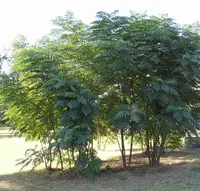
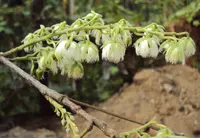
Ceylon olive, Elaeocarpus serratus, is an evergreen tree valued for its glossy foliage, small white fringed flowers, and elongated green to bluish fruits. It typically forms a dense, upright crown, making it suitable for larger gardens and warm landscapes rather than small indoor spaces.

This species is native to Sri Lanka and parts of South and Southeast Asia, where it grows in tropical to subtropical climates. It is moderately fast-growing but can be demanding in cooler or very dry regions.

The tree prefers consistent warmth, ample moisture, and well-drained, fertile soil, with good light exposure. Understanding these natural preferences is the basis of how to care for Ceylon olive in cultivation.

Main Plant Requirements

Care Difficulty

Moderate Care

Light Preference

Full Sun

Water Requirements

Regular Water

Temperature Preference

Tropical / Frost Sensitive

Hardiness Zone

10–12

Soil Texture

Loamy, Sandy, Organic-rich

Soil pH

Acidic (5.5–6.5), Slightly acidic (6.5–7.0)

Soil Drainage

Moist but well-drained

Fertilization

Minimal (feed rarely)

Get Personalized Care Plan

Scan your plant to receive care tips personalized for your specific plant

Available on iOS and Android

How to Care for the Ceylon olive

Elaeocarpus serratus prefers bright, warm conditions with protection from harsh midday sun.

  • Provide 4–6 hours of direct morning sun with light, filtered shade in the early afternoon to reduce leaf scorch risk.
  • Tolerates light to moderate partial shade, but flowering and fruiting Ceylon olive trees perform best with at least 3–4 hours of direct light daily.
  • In hot summers, protect from strong sun between 11 a.m. and 3 p.m.; in winter, maximize exposure by avoiding shade cast by buildings or large trees.

Elaeocarpus serratus benefits from consistently moist but not waterlogged soil.

  • Water when the top 3–5 cm of soil feel dry, allowing deeper soil to stay slightly damp rather than fully drying out.
  • Use deep, thorough watering so moisture reaches the root zone, then let excess drain freely to prevent root rot in poorly drained sites.
  • In cooler months, reduce frequency as growth slows; watch for drooping, dry leaves as a sign of underwatering and yellowing, mushy leaves as overwatering.

This species prefers warm, frost-free climates with stable temperatures.

  • Aim for 70–86°F (21–30°C) during active growth, which supports steady leaf and shoot development.
  • Avoid exposure below 45°F (7°C); light frost can damage young foliage, and prolonged temperatures under 40°F (4°C) may kill young plants.
  • Mature trees tolerate brief heat up to about 95°F (35°C) if soil moisture is maintained, but hot, dry winds can scorch leaves and stress the canopy.

Elaeocarpus serratus prefers moderately humid air but adapts if kept out of extremes.

  • Aim for 50–70% humidity, especially for young plants and container-grown Ceylon olive.
  • Tolerates brief dry indoor air, but leaf tips may brown and edges may curl when humidity stays low.
  • Increase humidity with grouped plants, a water-filled pebble tray under the pot, or a nearby humidifier rather than misting foliage heavily.

Elaeocarpus serratus grows best in deep, moist, well-drained, slightly acidic soil.

  • Use a loose loam with 40–60% organic matter (compost, leaf mold) blended with sand for faster drainage.
  • Aim for pH 5.5–6.5; add elemental sulfur or peat to lower pH if soil tests more alkaline.
  • In containers, combine potting mix with coarse sand and perlite to improve aeration and reduce waterlogging risk.
  • Avoid compacted clay, standing water, or constantly saturated substrates, which promote root rot and poor growth.

This species can be grown in containers when given enough root depth and stable support.

  • Choose a tall, heavy pot that resists tipping as the woody canopy becomes larger and wind-exposed.
  • Select a container material that matches local climate; terracotta dries faster and cools roots, while thick plastic retains more moisture.
  • Raise the pot slightly on feet or bricks so drainage holes clear quickly after watering and excess runoff does not reabsorb into the root zone.

Elaeocarpus serratus benefits from moderate feeding, especially when grown in containers or poor soils.

  • Use a balanced NPK granular or slow-release fertilizer, or well-rotted compost, at the start of spring for caring for Ceylon olive.
  • Feed every 6–8 weeks through the warm growing season, adjusting rates for plant size and soil fertility.
  • Apply fertilizers at half the label strength for young or container plants to avoid root burn and excessive soft growth.
  • Stop or greatly reduce feeding in late fall and winter, when growth slows and nutrient demand drops.

Pruning Elaeocarpus serratus is mainly used to maintain structure, remove damage, and manage size.

  • Carry out structural pruning in late winter or very early spring, before strong new growth begins.
  • Remove dead, diseased, crossing, or crowded branches first to improve airflow and light penetration.
  • Use clean, sharp bypass pruners or a pruning saw, making smooth cuts just outside the branch collar.
  • Light shaping after flowering can refine form without removing too much current-season growth.

This species is usually grown in the ground, so focus on careful transplanting rather than frequent repotting.

  • Transplant young trees in late winter or early spring, when soil is workable and temperatures are mild.
  • Look for signs such as roots circling the container, water running off quickly, or stunted growth as cues to up-pot or plant out.
  • Move to a hole or container 1–2 sizes larger, using well-drained soil and keeping the original soil level at the same height.
  • Water thoroughly after planting, shade from intense sun for 1–2 weeks, and keep soil evenly moist to reduce transplant shock.

Propagation of Elaeocarpus serratus is possible but slower than many common ornamentals.

  • Use semi-hardwood cuttings in late summer, treating the base with rooting hormone and placing in a warm, humid, bright but shaded environment.
  • Sow fresh seeds after cleaning the pulp, using a free-draining mix and mild warmth to support germination.
  • Maintain consistently moist, not waterlogged, media and good air movement to limit fungal problems during rooting or germination.
  • Allow young plants to grow a strong root system in small pots before shifting to larger containers or outdoor sites.

Elaeocarpus serratus is frost-sensitive and needs protection in regions with cold winters.

  • In USDA zones colder than 10, grow in a container and move indoors or to a greenhouse before temperatures drop below 40°F.
  • Mulch the root zone with 5–8 cm of organic material to moderate soil temperature and conserve moisture.
  • Shelter outdoor plants from cold, drying winds using windbreaks or by planting in a protected microclimate.

Care Tips

Formative framework pruning

In the first 3–5 years, remove only crossing, rubbing, or steeply upright shoots and keep 3–5 well-spaced main branches to build a strong, open canopy that supports better fruiting later.

Deep root establishment

During the first 2–3 growing seasons, give fewer but deeper irrigations and keep a 5–10 cm organic mulch ring over the root zone (but away from the trunk) to encourage deep rooting and better drought tolerance.

Wind and fruit support

In windy sites, install a sturdy stake or short tripod frame for young trees and thin heavy fruit clusters early so that remaining branches are less likely to snap under weight.

Targeted micronutrient checks

If new leaves look pale while veins stay greener, arrange a soil or leaf tissue test and use a chelated micronutrient product only if a specific deficiency is confirmed, rather than adding general fertilizers.

Sanitation for disease control

Collect and discard fallen leaves, flowers, and dropped fruit regularly and avoid overhead watering in the evening to reduce fungal disease pressure when caring for Ceylon olive.

Common Pests and Diseases

Tea mosquito bug

This pest feeds on young shoots, leaves, and developing fruits, causing brownish feeding lesions, distorted new growth, and fruit drop. Symptoms include corky patches on fruit skin and dieback of tender twigs in heavy infestations.

Solution

Prune and destroy heavily affected twigs and dropped fruits to reduce breeding sites, and avoid letting the canopy become too dense. For active infestations, use targeted sprays based on neem oil or a registered contact insecticide in the evening, focusing on young flushes and developing fruits while monitoring trees regularly for new damage.

Fruit fly infestation

These insects lay eggs inside maturing fruits, leading to soft brown patches, internal maggots, and premature fruit drop. This problem is most severe during warm, humid periods when fruits are sizing up and ripening.

Solution

Collect and destroy all fallen and visibly infested fruits to break the life cycle and reduce local populations. Use bait traps or lure traps hung in the canopy, and keep the area under the tree clean and free of rotting fruit to make conditions less favorable for fruit flies when growing Ceylon olive for harvest.

Leaf spot

This disease produces small water-soaked or brown spots on leaves that may enlarge, merge, and cause yellowing and early leaf drop. Symptoms include a thinner canopy and reduced vigor when many leaves are affected over time.

Solution

Remove and discard heavily spotted leaves from the tree and ground, and avoid overhead watering that keeps foliage wet for long periods. Improve air movement around the canopy through light pruning, and if the problem persists in humid weather, use a copper-based or other registered fungicide labeled for leaf spots as a preventive spray on clean foliage.

Sooty mold

This disease appears as a black, sooty coating on leaves and twigs that grows on the honeydew excreted by sap-sucking insects such as scale and aphids. Symptoms include dull, sticky foliage and reduced photosynthesis, which can weaken the tree over time.

Solution

First manage the underlying sap-sucking insects by washing affected parts with a firm water spray and using horticultural or neem oil to reduce their numbers. Once honeydew production declines, gently wipe or hose off the black coating from reachable branches, and thin crowded growth slightly to improve light and airflow in the canopy.

Scale insect infestation

These insects attach to stems, leaf veins, and sometimes fruits, appearing as small, immobile bumps that suck sap and produce sticky honeydew. This pest causes yellowing, reduced growth, and often leads to secondary sooty mold on leaves and branches.

Solution

Prune out and dispose of heavily infested twigs, then treat remaining colonies by dabbing individual scales with cotton soaked in rubbing alcohol or by applying horticultural oil to thoroughly coat the insects. Repeat oil sprays after 7–14 days if needed, and encourage natural predators such as lady beetles by avoiding broad-spectrum insecticides on the tree and surrounding vegetation.

Interesting Facts

Distinctive blue seeds

The ripe drupes contain a hard, sculptured stone that often appears bluish, a characteristic feature of this species that helps with identification in the genus Elaeocarpus.

Evergreen rainforest tree

This species is a medium to large evergreen tree native to moist lowland and mid-elevation forests of South and Southeast Asia, where it contributes to the multi-layered rainforest canopy structure.

Bird-dispersed fleshy fruits

Its olive-like fruits are eaten by various frugivorous birds, which then disperse the seeds, making the tree an important food and habitat resource in its native ecosystems.

Botan icon

Did you know?

In parts of Sri Lanka and southern India, the sour, fleshy fruits of this species are traditionally used as a tangy ingredient in curries and chutneys, and the tree is often planted near homesteads as a long-lived fruit and shade tree.

FAQs about Ceylon olive

Growth is moderate in warm, frost-free climates, typically adding 30–60 cm per year once established. Rate depends on soil fertility, moisture, and warmth. In cooler or nutrient-poor sites, expect noticeably slower extension growth.

Grow Healthy Plants with Botan Care

Keep your plants happy and healthy with plant identification, disease detection, and easy care guidance.

Botan plant care app — identify plants on mobile

Explore More Plants