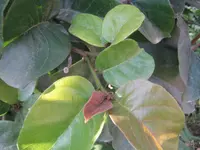
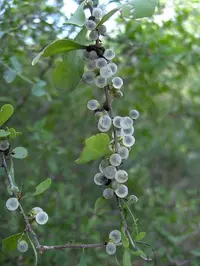
bell apple Care (Passiflora nitida)

bell apple

About bell apple

Bell apple, Passiflora nitida, is a tropical passionfruit vine valued for its aromatic, sweet fruits and ornamental foliage. It is a vigorous climber that needs firm support, such as a trellis or arbor.

In nature it occurs in lowland rainforests of northern South America, where conditions are warm, bright, and humid year-round. The plant bears dangling, bell-shaped fruits with juicy pulp and simple white to pale flowers.

Its fast growth and need for space can make it slightly challenging in small homes, but it rewards consistent care and stable warmth. Those who learn how to care for bell apple often grow it best in bright indirect light, evenly moist but well-drained soil, and sheltered, frost-free positions.

Main Plant Requirements

Care Difficulty

Moderate Care

Light Preference

Full Sun

Water Requirements

Regular Water

Temperature Preference

Tropical / Frost Sensitive

Hardiness Zone

10–12

Soil Texture

Sandy, Loamy, Organic-rich

Soil pH

Acidic (5.5–6.5), Slightly acidic (6.5–7.0)

Soil Drainage

Moist but well-drained

Fertilization

Moderate (every 2–4 weeks)

Get Personalized Care Plan

Scan your plant to receive care tips personalized for your specific plant

Available on iOS and Android

How to Care for the bell apple

This vigorous tropical vine needs strong light to flower and fruit well outdoors.

  • Provide 6–8 hours of direct sun daily, ideally with morning sun and light afternoon shade, especially in hot climates where bell apple leaves may scorch.
  • Tolerates bright partial shade (around 4–5 hours direct sun), but flowering and fruiting decrease as shade increases.
  • In cooler seasons, choose the warmest, sunniest spot available and keep vines free from dense overhead shade to maximize light interception.

This species prefers evenly moist but not waterlogged soil throughout the growing season.

  • Water when the top 3–5 cm of soil feels dry, soaking the root zone thoroughly, then let excess drain away to avoid root rot.
  • In summer growth, expect faster drying and more frequent watering; in cooler months, allow slightly more drying between waterings while preventing complete soil drought.
  • Signs of overwatering include yellowing, soft leaves and a sour smell in soil; wilting with dry, crumbly soil indicates underwatering in Passiflora nitida.

This tropical passionfruit relative thrives in consistently warm, frost‑free conditions.

  • Ideal growth occurs at 70–85°F (21–29°C), supporting strong vines, flowers, and fruit set in well-drained soil.
  • The plant is damaged near 32°F (0°C) and should be protected or relocated before frost; prolonged exposure below 40°F (4°C) weakens growth.
  • It tolerates brief heat up to about 95°F (35°C) if soil moisture is maintained and roots are mulched, but flowering may slow in extreme heat.

This species prefers warm, moderately humid air and reacts quickly to very dry conditions.

  • Aim for 50–70% humidity; it tolerates brief dips lower but growth slows in extended dry air.
  • Crisping leaf edges, stalled tendrils, and flower bud drop signal low humidity stress in bell apple vines.
  • Increase humidity with grouped plants, a nearby humidifier, or a wide pebble tray kept with water below the pot base.

This vine needs loose, airy, fast-draining soil that still holds some moisture.

  • Use a mix of roughly 40% peat or coco coir, 30% compost, and 30% perlite or coarse sand for structure and drainage.
  • Aim for slightly acidic pH around 6.0–6.5 to support nutrient uptake in Passiflora nitida.
  • Ensure the mix feels springy, not sticky; add more perlite or fine bark if water takes longer than 1–2 minutes to drain through.
  • Avoid heavy clay, compacted soil, or mixes with high fine-silt content that stay wet and exclude air from roots.

This species grows well in containers if root space, drainage, and vine support are managed carefully.

  • Choose a deep, heavy pot to counterbalance the climbing top growth and reduce tipping in wind.
  • Select thick-walled terracotta or similar porous material if extra evaporation is needed to prevent waterlogged roots.
  • Position a sturdy trellis or support directly in the pot so the container does not shift under the vine’s weight.

This fast-growing tropical vine benefits from steady, moderate feeding for strong growth and fruiting.

  • Use a balanced NPK fertilizer or rich compost as the main nutrient source for bell apple during the growing season.
  • Apply a diluted liquid feed at 1/2–1/4 strength every 2–4 weeks in spring and summer, depending on soil fertility.
  • In early spring, incorporate a slow-release fertilizer into the top 5–8 cm of soil for long-lasting support.
  • Reduce or stop fertilizing in fall and winter, when growth slows, to avoid weak, overly soft shoots.

Pruning supports manageable size and healthier flowering on Passiflora nitida.

  • Carry out main pruning in late winter or very early spring before vigorous new growth starts.
  • Remove dead, damaged, crossing, or heavily crowded stems to keep the canopy open and well lit.
  • Shorten overly long vines to control spread and encourage branching, which can increase flower and fruit production.
  • Use sharp, clean bypass pruners and make angled cuts just above a healthy bud or side shoot.

Container-grown plants and young vines benefit from thoughtful repotting or transplanting to sustain vigorous growth.

  • Plan major repotting or transplanting in late spring, once frost risk has passed and growth is active.
  • Look for signs such as roots circling the pot, water running straight through, or unexplained slow growth as cues to move up 1 pot size.
  • Transplant garden vines if overcrowded, placing them in well-drained, fertile soil with a stable support structure in place.
  • Handle the root ball gently, loosen only lightly, water thoroughly afterward, and shade for a few days to limit transplant shock.

New plants are commonly raised from seeds and semi-ripe cuttings.

  • Sow fresh seeds in spring in a sterile, well-drained mix, keeping temperatures around 70–80°F and humidity high for steady germination.
  • Lightly scarify or soak seeds for several hours to improve water uptake and shorten germination time.
  • Take semi-ripe tip cuttings in late spring or summer, 8–12 cm long, with 2–3 nodes and healthy leaves.
  • Place cuttings in a moist, free-draining medium under bright, indirect light and maintain high humidity until roots form.

This tropical vine is frost-sensitive and needs careful winter management in cooler climates.

  • In regions below USDA zone 10, grow in containers so plants can be moved indoors before nights drop near 40°F.
  • For in-ground plants in mild areas, mulch the root zone with 5–10 cm of organic material to buffer temperature swings.
  • If light frost is expected, wrap lower stems with horticultural fleece or use temporary covers during cold nights.
  • Indoors, overwinter in bright light, keep temperatures above 55°F, and water sparingly to prevent root rot during semi-dormancy.

Care Tips

Provide firm trellis

Install a sturdy trellis, wire panel, or tensioned mesh before planting, then gently tie new vines with soft ties every 20–30 cm to keep stems supported and reduce wind damage.

Encourage flowering wood

Pinch or lightly tip-prune overly long, whippy shoots in late spring to stimulate more lateral branches, since flowers and fruit form mainly on these side shoots.

Hand-pollinate blossoms

In areas with few suitable pollinators, use a small, dry paintbrush to transfer pollen from the anthers of one open flower to the stigma of another on the same day to improve fruit set when growing bell apple.

Mulch for root health

Apply a 5–8 cm layer of organic mulch around, but not touching, the stem base to keep roots cool, conserve moisture, and reduce weed competition.

Container root management

For plants grown in large pots, root prune every 2–3 years by trimming back the outer 2–3 cm of the root ball and refreshing the potting mix to prevent the vine from becoming rootbound and declining in vigor.

Common Pests and Diseases

Passionvine caterpillars

This pest is the larval stage of several Heliconius and related butterflies that specialize on passion vines, feeding heavily on young foliage and sometimes skeletonizing leaves. Symptoms include chewed leaf margins, missing leaf tissue, and frass (droppings) on and under the plant.

Solution

Hand-pick caterpillars from vines and dispose of them, focusing on shoot tips and tender growth, and prune heavily infested shoots if needed. For larger vines, encourage natural predators like birds, or use a targeted biological product containing Bacillus thuringiensis (Bt) in the evening, coating both upper and lower leaf surfaces while avoiding spraying when butterflies are actively laying eggs.

Passionvine mites

These insects are actually tiny arachnids, often broad or spider mites, that thrive in warm, dry conditions and attack the undersides of leaves. Symptoms include yellow stippling, bronzing, curling leaves, fine webbing, and slow growth, especially when bell apple is grown under glass or indoors.

Solution

Rinse foliage thoroughly with a strong but gentle stream of water, focusing on the underside of leaves, and repeat several times per week to disrupt colonies. If populations remain high, apply a horticultural oil or insecticidal soap labeled for mites, improving humidity and airflow to reduce reinfestation and support long-term Passiflora nitida care.

Passionflower woodiness virus

This disease is caused by a potyvirus that leads to deformed fruits, hard and woody rinds, leaf mosaic mottling, and stunted vines. Symptoms include distorted young leaves with irregular yellow-green patterns and reduced flowering and fruit quality.

Solution

Remove and destroy symptomatic vines promptly, including roots, to prevent the virus from serving as a reservoir for nearby passionfruit species. Control sap-sucking insects such as aphids that spread the virus, avoid reusing contaminated pruning tools without disinfecting, and replant only with certified virus-free material away from infected sites.

Fusarium wilt

This disease is caused by soil-borne Fusarium fungi that infect roots and vascular tissue, blocking water transport. Symptoms include one-sided wilting, yellowing leaves, vascular browning in stems, and gradual dieback even when soil appears moist.

Solution

Remove and discard severely affected vines with as much root material as possible and do not replant Passiflora in the same spot immediately. Improve soil drainage, avoid overwatering and mechanical root injury, and if growing in containers, switch to fresh, well-draining mix and disinfect pots before replanting.

Anthracnose

This disease is a fungal leaf and fruit problem favored by warm, humid conditions and frequent leaf wetting. Symptoms include small, dark, sunken spots on leaves, stems, and fruits that can expand, coalesce, and cause fruit drop or blemished bell apple fruits.

Solution

Prune to increase airflow, avoid overhead watering, and promptly remove and dispose of infected leaves and fruit mummies from around the plant. In situations with recurring issues, apply a copper-based or other labeled fungicide preventively at the start of warm, wet periods, covering foliage and young fruits while following label safety and interval directions for caring for bell apple.

Interesting Facts

Amazonian liana specialist

This species is native to lowland Amazon rainforest, where it grows as a woody vine climbing high into the canopy using tendrils to reach strong light above the forest floor.

White perfumed flowers

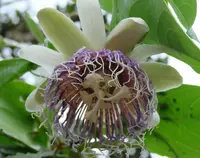
Its flowers are white to pale cream with a delicate, sweet fragrance and a showy crown of filaments, differing from the more boldly colored flowers typical of many other passionflower species.

Sweet bell-shaped fruit

The plant produces smooth, round to bell-shaped berries with translucent, aromatic pulp that is eaten fresh in parts of its native range and valued for its strong tropical flavor.

Botan icon

Did you know?

In its native Amazon habitat, this species often relies on large bees for pollination and small animals such as bats or arboreal mammals for seed dispersal, forming part of a complex forest food web around its highly scented flowers and sugary fruit.

FAQs about bell apple

Lack of flowers usually comes from insufficient light, too much nitrogen fertilizer, or the plant being immature. It flowers best with strong light, moderate feeding, good drainage, and a brief drier, cooler rest to trigger buds.

Grow Healthy Plants with Botan Care

Keep your plants happy and healthy with plant identification, disease detection, and easy care guidance.


Botan plant care app — identify plants on mobile

Explore More Plants