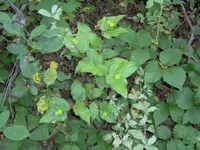
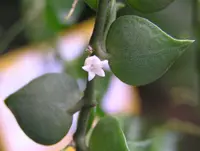
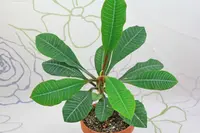
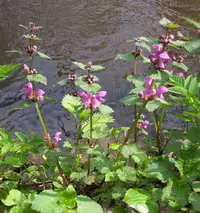
Mountain Manna Care (Begonia obliqua)

Mountain Manna

About Mountain Manna

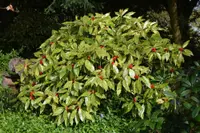
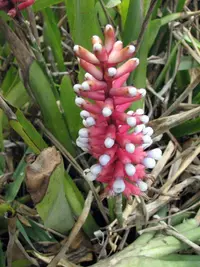
Mountain manna, Begonia obliqua, is a tropical rhizomatous begonia valued for its graceful foliage and delicate blooms. It usually forms a compact, bushy clump rather than long trailing stems.

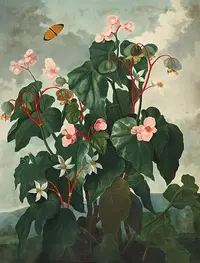
Leaves are often asymmetrical, soft-textured, and medium to deep green, sometimes with a subtle sheen. Flowers appear in loose clusters and lend a light, airy look.

This species is native to humid forest habitats in parts of Central and South America, where it grows in sheltered, filtered light. Its preference for stable moisture, moderate humidity, and gentle light makes it moderately demanding, but manageable once conditions are consistent.

Understanding how to care for Mountain Manna starts with providing even moisture, a loose, well-drained mix, and protection from harsh direct sun or cold drafts.

Main Plant Requirements

Care Difficulty

Moderate Care

Light Preference

Bright Indirect Light

Water Requirements

Keep Soil Moist

Temperature Preference

Tropical / Frost Sensitive

Hardiness Zone

10–11

Soil Texture

Loamy, Peaty, Organic-rich

Soil pH

Acidic (5.5–6.5), Slightly acidic (6.5–7.0)

Soil Drainage

Moist but well-drained

Fertilization

Light (every 4–6 weeks)

Get Personalized Care Plan

Scan your plant to receive care tips personalized for your specific plant

Available on iOS and Android

How to Care for the Mountain Manna

Begonia obliqua prefers bright, gentle light that mimics dappled forest conditions.

  • Provide 3–5 hours of soft morning sun with bright, filtered light the rest of the day; avoid direct midday and afternoon sun that can scorch leaves.
  • Tolerates partial shade, but in deep shade stems stretch, leaves pale, and flowering declines, especially in forms sold as Mountain Manna.
  • In summer, protect from intense western exposure; in winter, move closer to bright windows or use sheer curtains to increase light without harsh rays.

Begonia obliqua prefers evenly moist but never waterlogged soil.

  • Water when the top 2–3 cm of soil feels dry, using enough water to moisten the root zone, then allow excess to drain away fully.
  • Use a loose, well‑draining mix; persistent wetness, sour smell, or limp, translucent stems indicate overwatering and possible root rot.
  • In active growth and flowering, soil may dry faster; in cooler months, let the top 3–4 cm dry and watch for curled, crispy leaves as a sign of underwatering.

This species prefers warm, stable temperatures with no exposure to frost.

  • Aim for 65–80°F (18–27°C) for best growth; it stays most compact and floriferous near the middle of this range.
  • Protect from temperatures below 55°F (13°C); brief drops near this level can slow growth, while frost causes rapid leaf and stem damage.
  • In hot spells above 85°F (29°C), increase air circulation, shade from harsh sun, and avoid placing the plant near heat‑reflective walls or pavement.

This species prefers consistently moist air and reacts quickly to very dry conditions.

  • Aim for 60–70% humidity to keep foliage turgid and reduce leaf-edge browning when caring for Mountain Manna.
  • In dry indoor air, leaves may crisp at the tips, curl slightly, or show dull, stalled growth.
  • Raise humidity with a nearby humidifier, grouped plants, or a wide pebble tray under the pot without letting roots sit in water.

Begonia obliqua grows best in a light, airy, organic-rich potting mix that drains rapidly yet holds even moisture.

  • Use roughly 50% peat- or coir-based potting mix, 25% fine bark, and 25% perlite to create a loose, crumbly structure with many air spaces.
  • Keep pH slightly acidic to neutral, around 6.0–7.0, avoiding strongly alkaline mixes that can lock up nutrients and cause leaf chlorosis.
  • Improve drainage and aeration by increasing perlite or fine bark if the mix stays wet longer than 3–4 days after watering.
  • Avoid heavy garden soil, pure compost, or mixes with a high clay content, which compact easily and promote root and stem rot.

This species is well suited to container culture for controlled moisture and root conditions.

  • Choose a shallow to medium-depth pot that matches its relatively fine, fibrous root system, preventing a large unused soil volume that stays wet.
  • Select a stable, heavier container if growth becomes top-heavy, so the plant does not tip when foliage is fully developed or wet.
  • Use a container material that moderates moisture, such as unglazed clay for faster drying in humid climates or plastic to slow drying in arid homes.

Begonia obliqua benefits from light, consistent feeding during its active growing season.

  • Use a balanced liquid fertilizer (such as 10-10-10 or 20-20-20) diluted to 1/4–1/2 strength for Mountain Manna indoor care.
  • Apply every 3–4 weeks in spring and summer when growth is active.
  • Pause or reduce feeding to once every 6–8 weeks in fall and winter, when growth slows.
  • Avoid heavy compost or high-salt products that can burn fine roots; flush the potting mix with plain water occasionally.

Begonia obliqua responds well to light structural pruning that maintains a compact, healthy plant.

  • Best time for pruning is in late winter to early spring, just before new growth starts.
  • Use clean, sharp scissors or pruning shears to remove dead, damaged, or diseased stems and leaves.
  • Thin crowded stems to improve airflow and light penetration, which reduces fungal issues.
  • Pinch back soft tips to encourage branching and a fuller shape, but avoid removing more than 1/3 of growth at once.

This species prefers slightly snug pots and only needs repotting when growth or roots indicate crowding.

  • Repot when roots circle the container, emerge from drainage holes, or growth becomes smaller and slower.
  • Aim to repot every 2–3 years in spring, moving to a pot just 2–5 cm wider with fresh, well-draining mix.
  • Gently loosen circling roots and remove a little old soil, avoiding heavy disturbance of the root ball.
  • Water lightly after repotting, keep in bright indirect light, and maintain steady warmth to reduce transplant stress.

This begonia is commonly propagated from stem cuttings, which root reliably under warm, humid conditions.

  • Take 7–10 cm non-flowering stem cuttings in late spring or summer, each with 2–3 nodes.
  • Remove lower leaves, then place the cut end in moist, airy mix or water; rooting hormone can improve success.
  • Provide bright indirect light, 70–80°F warmth, and high humidity until new roots and leaves form.
  • For divisions, separate clumps with at least one healthy stem and root section, then pot individually and keep evenly moist.

Begonia obliqua is frost sensitive and needs protection in regions with cold winters.

  • Move container plants indoors before temperatures drop below 50°F, placing them in bright indirect light.
  • Maintain indoor temperatures around 60–70°F and avoid cold drafts near windows or doors.
  • Reduce watering in winter, keeping the soil slightly drier while preventing complete dryness.
  • In mild climates, grow outdoors in frost-free, sheltered spots or treat plants as annuals if freezing is expected.

Care Tips

Rhizome Positioning

Set the rhizomes just at or slightly above the soil surface instead of burying them deeply, which improves air flow around the crown and reduces the risk of rot in humid indoor conditions.

Targeted Leaf Cleaning

Gently wipe both sides of the larger leaves every 2–4 weeks with a soft, barely damp cloth to remove dust, which improves light capture and helps you spot early signs of mildew or mites.

Staggered Repotting

When the plant outgrows its pot, shift it only 2–3 cm wider and refresh the mix around the rootball rather than moving to a large container, which keeps the medium drying at a safe rate and limits root rot issues.

Preventive Air Circulation

Place a small, low-speed fan several feet away to keep gentle air movement around the foliage, especially in warm, humid rooms, to reduce powdery mildew and botrytis risk without chilling the plant.

Soft Support Stems

If arching stems begin to flop, use soft ties and small hoops or a low trellis to support them loosely, keeping leaves spaced for better light exposure and easier monitoring while growing Mountain Manna.

Common Pests and Diseases

Powdery mildew

This disease causes a white, powdery coating on leaves, often starting on older foliage and shaded parts of the plant. Symptoms include distorted new growth and a dull, greyish appearance on affected areas.

Solution

Increase air circulation around the plant, avoid wetting the leaves when watering, and remove heavily affected foliage. Treat remaining growth with a sulfur-based or potassium bicarbonate fungicide labeled for ornamentals, applied in the early stages of infection and repeated as directed on the product label.

Bacterial leaf spot

This disease produces translucent, water-soaked spots that turn brown and often develop a yellow halo, especially on thin Begonia leaves. Symptoms include rapid spread during warm, humid conditions and eventual leaf drop.

Solution

Immediately remove and discard affected leaves and avoid overhead watering to keep foliage dry. Improve spacing and airflow, sanitize tools between plants, and in severe cases discard heavily infected plants to protect nearby begonias, following local disposal guidelines.

Botrytis blight

This disease creates soft, brown lesions on leaves, stems, and flowers that develop a fuzzy grey mold in high humidity. Symptoms include collapse of tender tissues and a musty odor around badly affected plants.

Solution

Remove and discard all infected plant parts and dead debris, then improve ventilation and reduce humidity around the plant. Allow the soil surface to dry slightly between waterings and, if needed, treat with a fungicide labeled for Botrytis on ornamentals, applied according to the manufacturer’s directions.

Thrips

These insects rasp the leaf surface and suck sap, causing silvery streaks, fine brown scarring, and distorted new leaves, especially on tender Begonia obliqua growth. This pest often hides in flowers, folded leaves, and along midribs.

Solution

Isolate the plant, rinse foliage thoroughly with a gentle stream of water, and remove badly deformed leaves. Follow with repeated applications of insecticidal soap or neem oil, targeting leaf undersides and tight crevices every 5–7 days until no new damage or insects are seen, and use yellow or blue sticky traps to monitor adults.

Mealybugs

These insects appear as small white cottony clusters along stems, leaf nodes, and the undersides of leaves, where they suck sap and weaken the plant. Symptoms include sticky honeydew, sooty mold growth, and gradual yellowing or wilting of affected parts.

Solution

Dab visible pests with cotton swabs dipped in isopropyl alcohol (70%), then gently rinse the plant to remove residues and honeydew. Follow up with regular applications of insecticidal soap or neem oil, paying special attention to hidden nodes and leaf bases, and keep the plant isolated until no new mealybugs are found, which is essential for effective Begonia obliqua plant care.

Interesting Facts

Early described American begonia

Begonia obliqua was one of the first American begonias formally described in the 18th century, based on material from the Caribbean region. Its name has a long and complex taxonomic history, and older literature sometimes misapplied the name to other Begonia species.

Distinct oblique leaf base

The species name obliqua refers to the noticeably uneven, slanted base of its leaves. This asymmetric leaf shape is a key diagnostic feature that helps botanists distinguish it from closely related species in the same section.

Section Knesebeckia member

Begonia obliqua belongs to a specific group within the genus known as section Knesebeckia. Members of this section typically share similar floral structures and growth forms, which helps taxonomists understand their evolutionary relationships and how to take care of Mountain Manna in cultivation studies.

FAQs about Mountain Manna

Brown leaf edges usually result from low humidity, fertilizer burn, or irregular watering that lets the root zone dry too hard. Check for crispy margins, flush excess salts, increase ambient humidity, and keep moisture more consistent around the root area.

Grow Healthy Plants with Botan Care

Keep your plants happy and healthy with plant identification, disease detection, and easy care guidance.

Botan plant care app — identify plants on mobile

Explore More Plants