


Use wide pots
Choose a shallow, wider pot rather than a deep one so the rhizomatous stems can creep and branch, and rotate the pot 1–2 times per month to keep growth even and prevent the plant from leaning toward the light source.

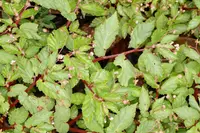
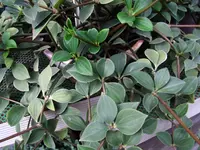
Begonia semiovata is a compact rhizomatous begonia, valued for its patterned foliage and small, delicate flowers. It is mainly grown as an ornamental houseplant or in sheltered shade collections. Leaves are typically green with lighter markings and a slightly asymmetric shape, forming a low, bushy clump rather than long trailing stems. The species originates from tropical regions of South America, so it prefers warm, humid, and shaded conditions. Its moderate growth rate and need for stable moisture make it somewhat sensitive to neglect, but it adapts well indoors when conditions are consistent. Understanding how to care for Begonia semiovata helps prevent leaf drop, rot, and stress-related problems.

Care Difficulty
Moderate Care

Light Preference
Bright Indirect Light

Water Requirements
Moderate Water

Temperature Preference
Tropical / Frost Sensitive

Hardiness Zone
10–11

Soil Texture
Loamy, Peaty, Organic-rich

Soil pH
Acidic (5.5–6.5)

Soil Drainage
Moist but well-drained

Fertilization
Light (every 4–6 weeks)
Scan your plant to receive care tips personalized for your specific plant
Available on iOS and Android
This species prefers bright, gentle light similar to a lightly shaded forest edge.
This plant needs consistently moist but not waterlogged soil for healthy growth.
Stable, mild warmth supports steady growth and reduces stress for this species.
This species prefers moderately high air humidity to keep foliage healthy and prevent stress.
Begonia semiovata grows best in loose, airy, organic-rich soil that drains quickly yet holds some moisture.
This species is well suited to container growing when the pot supports its shallow, fibrous root system.
This species responds well to light, consistent feeding during active growth.
Thoughtful pruning keeps Begonia semiovata compact, leafy, and healthy.
This plant prefers modest repotting, with minimal disturbance to its fine roots.
Propagation of Begonia semiovata is commonly done from stem or leaf cuttings under warm, humid conditions.
This species is frost-sensitive and needs protection in regions with cold winters.

Plant Health Check
Not sure what's wrong with your plant? Check your plant's health inside the app.
This species is native to the Atlantic Forest region of Brazil, where it naturally grows in humid, shaded habitats on forest floors and rocky slopes.
The species name semiovata refers to its characteristic leaf shape, which is roughly half-oval with an asymmetric base, a common trait in many begonias but especially conspicuous in this taxon.
Unlike many ornamental begonias with strongly colored blooms, this species bears relatively small, white flowers on branching inflorescences, contrasting with its green foliage and making it more valued for leaves than for floral display.
Brown, crispy edges usually come from low humidity, excess fertilizer salts, or inconsistent watering. Increase humidity, flush the potting mix with plain water occasionally, and keep moisture even but not saturated to prevent further tissue damage.
Keep your plants happy and healthy with plant identification, disease detection, and easy care guidance.

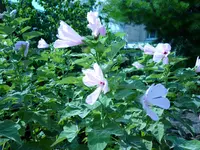
swamp rosemallow
Hibiscus grandiflorus
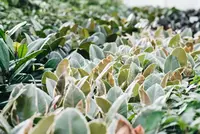
Rubber Tree
Ficus elastica 'Tineke'
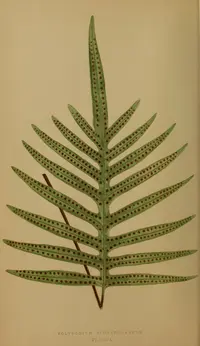
false golden polypody
Phlebodium pseudoaureum
Codonanthopsis crassifolia
Codonanthopsis crassifolia
Epidendrum denticulatum
Epidendrum denticulatum
 POPULAR
Friendship Plant
Pilea involucrata
stalked maidenhair
Adiantum petiolatum
peperomia
Peperomia pereskiifolia