Polygaloides balansae Care

About Polygaloides balansae

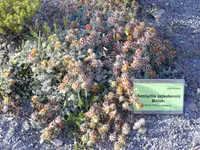
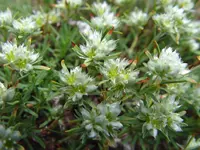
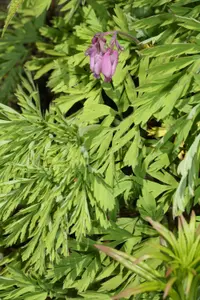
Polygaloides balansae is a small, herbaceous perennial from rocky, dry habitats in the Mediterranean region and North Africa. It usually forms low clumps with slender stems and narrow leaves. Its flowers are typically small but numerous, often giving the plant a soft, airy look when in bloom. Growth is generally compact, which suits rock gardens and troughs. This species is adapted to well-drained, often poor soils and tolerates dry conditions once established, which makes it relatively low-maintenance in suitable climates. Understanding how to care for Polygaloides balansae mainly involves providing enough sun and avoiding waterlogged soil.

Main Plant Requirements

Care Difficulty

Moderate Care

Light Preference

Full Sun

Water Requirements

Low Water

Temperature Preference

Warm Climate

Hardiness Zone

8–10

Soil Texture

Sandy, Loamy, Rocky

Soil pH

Slightly acidic (6.5–7.0), Neutral (7.0)

Soil Drainage

Well-drained

Fertilization

Minimal (feed rarely)

Get Personalized Care Plan

Scan your plant to receive care tips personalized for your specific plant

Available on iOS and Android

How to Care for the Polygaloides balansae

This small perennial prefers bright, open conditions without extreme afternoon exposure.

  • Provide 6–8 hours of direct sun daily, ideally with morning sun and light shade or filtered light after 2–3 pm in hotter regions.
  • In mild coastal or cool climates, it tolerates full sun all day, but in hot inland areas prolonged intense afternoon sun can scorch foliage and reduce flowering.
  • Polygaloides balansae benefits from a south or west exposure in spring and fall; in summer, slight shading prevents stress, while too much shade leads to weak, sparse growth.

This species prefers drying between waterings rather than constantly moist soil.

  • Allow the top 3–5 cm of soil to dry before watering, then soak the root zone thoroughly so excess water drains away completely.
  • Use sharply drained, gritty or sandy soil; prolonged soggy conditions, a sour smell, or yellowing lower leaves suggest overwatering and possible root rot.
  • In spring and early summer, watering is more frequent; in late summer and winter, reduce watering as growth slows, watching for dull, limp foliage as an underwatering sign.

This plant favors mild, temperate conditions and dislikes hard frost or extreme heat.

  • Optimal growth occurs around 60–75°F (16–24°C), with steady, moderate temperatures supporting compact form and reliable flowering.
  • It tolerates brief dips to about 20–25°F (-6 to -4°C) once established, but repeated freeze-thaw cycles or colder spells can damage stems and roots.
  • In hot summers above 90°F (32°C), provide mulch to cool the root zone and light afternoon shade to limit stress, while maintaining good air movement to prevent heat buildup.

This species handles typical outdoor humidity and does not usually need special adjustments.

This Mediterranean shrub prefers lean, well-drained mineral soil that never stays waterlogged.

  • Use sandy or gravelly loam with low to moderate organic matter to mimic its native rocky habitats.
  • Ensure rapid drainage by mixing in coarse sand or grit, avoiding heavy clay that retains water around the roots.
  • Aim for slightly alkaline to neutral pH, around 7.0–8.0, and avoid acidic peat-based mixes.
  • For containers, combine 50–60% mineral grit with a standard potting mix to maintain aeration and prevent compaction.

This species is suitable for container growing in sunny, outdoor spots.

  • Select a wide, stable pot to accommodate its low, spreading habit and prevent tipping in strong wind.
  • Use a relatively shallow container with ample surface area so the gritty mix dries evenly after rain or watering.
  • Choose unglazed terracotta if extra evaporation is needed in wet climates, or thicker ceramic in very hot, dry regions to slow moisture loss.

This low-nutrient-tolerant species usually needs only light feeding in cultivation.

  • Use a balanced, low-dose granular or liquid fertilizer (around 10-10-10) on established plants in poor soils.
  • Feed lightly once in mid-spring and again in midsummer during active growth, skipping rich garden soils.
  • Dilute liquid products to 1/2–1/4 strength to avoid soft, weak growth.
  • Stop feeding Polygaloides balansae in late summer so new tissue hardens before cold weather.

Pruning is mainly used to keep Polygaloides balansae tidy and flowering well.

  • Carry out light pruning in late winter or very early spring before new growth starts.
  • Remove dead, diseased, or crossing stems first, then thin congested shoots to improve light and air flow.
  • Shorten overly long stems to maintain a compact, bushy shape and support more flowering shoots.
  • Use clean, sharp hand pruners and make angled cuts just above a healthy bud or side shoot.

This small shrub is usually grown in the ground, but young plants may start in containers before transplanting.

  • Plan transplanting for early spring or early autumn when temperatures are mild and soil is workable.
  • Shift container plants when roots circle the pot base or growth slows despite good care, usually every 2–3 years.
  • Choose a slightly larger container or ground spot with free-draining soil and similar light exposure to reduce shock.
  • Water deeply after moving, then keep soil evenly moist for 2–3 weeks while roots re-establish, avoiding waterlogging.

Polygaloides balansae is most often propagated from seeds, with cuttings as a backup method for selected forms.

  • Sow fresh seed in late winter to early spring in a well-drained seed mix kept lightly moist and bright.
  • Provide cool to mild temperatures (55–65°F) and good air flow to support steady germination.
  • For cuttings, take semi-ripe stems in late spring to summer and remove lower leaves.
  • Insert cuttings into a gritty, free-draining medium, maintain high humidity, and avoid direct hot sun while rooting.

Mature plants are generally cold hardy in suitable climates and demand only modest winter attention.

  • In regions with freezing winters, apply a 5–8 cm mulch around the root zone, keeping it off the stems.
  • Ensure soil drains well going into winter to reduce root rot in cold, saturated ground.
  • Container plants in cold zones can be moved to a sheltered, unheated but frost-free spot until spring.

Care Tips

Rocky slope placement

Plant on a slight slope or raised bed with gravelly topdressing so rainwater drains away from the crown and woody base, which helps prevent rot in winter-wet climates.

Summer shearing timing

Lightly shear spent flower stems as soon as the main flush finishes, taking only the top 2–3 cm of growth to encourage a tighter cushion and a lighter second bloom without stressing the plant.

Crown protection strategy

In very cold, open sites, place a flat stone just upslope of the plant to deflect excess runoff and create a small microclimate that reduces freeze–thaw stress on the crown.

Companion spacing planning

Space neighboring alpine or rock-garden plants at least 20–25 cm away to allow good air movement around the mound, which reduces fungal spotting on foliage in damp seasons.

Container culture adjustments

When growing Polygaloides balansae in a pot, choose a wide, shallow container with several drainage holes and rotate it a quarter turn every 2–3 weeks so the cushion stays evenly shaped and does not lean toward the brightest side.

Common Pests and Diseases

Aphids

These insects feed on young shoots and flower stems, sucking sap and causing distorted growth and sticky honeydew on foliage. This pest is most common on soft, new growth during the active growing season.

Solution

Remove localized colonies by pinching off affected shoot tips or rinsing with a firm stream of water, then monitor new growth closely. For persistent infestations, apply an insecticidal soap or a ready-to-use neem oil spray, coating stems and leaf undersides in the early morning and repeating as needed according to label directions.

Spider mites

This pest thrives in hot, dry conditions and feeds on leaf undersides, causing fine stippling, dull foliage, and sometimes fine webbing between stems. Symptoms include gradual yellowing and reduced vigor, especially on plants grown in containers or against walls with reflected heat.

Solution

Increase humidity around the plant by occasional overhead rinsing and reduce heat stress where possible, then wash foliage thoroughly with water to remove mites and webbing. If damage continues, use insecticidal soap or horticultural oil targeted to the leaf undersides at 5–7 day intervals until new growth appears clean.

Leaf spot

This disease causes small brown to dark-purple spots on leaves that may merge into larger blotches, leading to premature leaf drop in humid or poorly ventilated locations. Symptoms include more severe spotting on older, lower foliage close to the soil surface.

Solution

Prune and discard heavily affected leaves and any dense, congested stems to improve airflow, avoiding overhead watering that keeps foliage wet. If spotting recurs, apply a copper-based or other ornamental-safe fungicide at the first sign of new lesions, and maintain drier foliage by watering at the base of the plant.

Botrytis blight

This disease favors cool, damp conditions and produces soft, water-soaked spots on leaves and flowers that turn brown and may develop a fuzzy gray mold. Symptoms include collapse of tender stems and flower parts, especially after long periods of wet weather or overcrowded planting.

Solution

Remove and dispose of all affected plant material and any fallen debris around the crown, then thin nearby plants to improve light and air movement. Water at soil level in the morning only, and in severe or recurring cases consider a labeled ornamental fungicide during prolonged wet spells as part of broader Polygaloides balansae care instructions.

Interesting Facts

North African specialist

This species is native to rocky, limestone-rich habitats in North Africa, where it grows in open, sun-exposed sites with very shallow, fast-draining soils.

Pea-like floral design

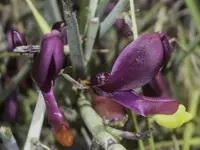
The flowers have a distinctive keel-shaped petal and wing-like lateral petals that resemble pea flowers, reflecting its membership in the Polygalaceae, a family closely related to true legumes.

Limestone affinity

It shows a marked preference for calcareous substrates, often occurring in crevices and thin soils over limestone where competition from taller vegetation is reduced.

FAQs about Polygaloides balansae

This species is generally evergreen in mild climates, keeping foliage through winter. In colder areas it may behave semi-evergreen, with some leaf drop after frost but regrowth from woody stems once temperatures improve.

Grow Healthy Plants with Botan Care

Keep your plants happy and healthy with plant identification, disease detection, and easy care guidance.

Botan plant care app — identify plants on mobile

Explore More Plants