


Mark Dormancy Zone
When the foliage dies back after seed set, mark the clump with a discreet stake or label so the shallow roots are not disturbed during summer weeding or soil work.

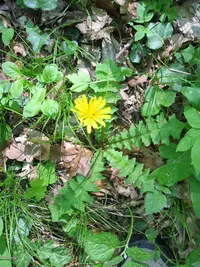
Aposeris foetida is a small, shade-loving perennial from European woodlands, often found in moist, cool forests and mountain meadows. It belongs to the daisy family and forms low rosettes of soft, green leaves. The plant produces single, yellow, dandelion-like flower heads on slender stems, giving a delicate appearance despite its simple structure. Its name refers to a faint, sometimes unpleasant scent when leaves are crushed. This species prefers humus-rich, consistently moist soil and sheltered, partially shaded sites that mimic its natural forest habitat. Once established in suitable conditions, care for Aposeris is fairly simple, though it dislikes drought, heat, and disturbed soil.

Care Difficulty
Moderate Care

Light Preference
Partial Shade

Water Requirements
Moderate Water

Temperature Preference
Cold Hardy

Hardiness Zone
5–9

Soil Texture
Loamy, Silty, Organic-rich

Soil pH
Acidic (5.5–6.5), Slightly acidic (6.5–7.0)

Soil Drainage
Moist but well-drained

Fertilization
Minimal (feed rarely)
Scan your plant to receive care tips personalized for your specific plant
Available on iOS and Android
This woodland perennial prefers cool, filtered light that mimics a lightly shaded forest floor.
This plant prefers consistently moist, cool soil without becoming waterlogged.
This species is adapted to cool, temperate woodland conditions and dislikes extreme heat.
Humidity is not a critical factor for Aposeris foetida under typical outdoor conditions.
Aposeris foetida prefers moist, loose, humus-rich soil that drains freely but does not dry out quickly.
This species can be grown in containers if the pot supports its shallow, spreading root system.
This woodland perennial from nutrient-rich habitats benefits from only light feeding in cultivation.
Pruning Aposeris foetida is minimal and focuses on hygiene rather than shaping.
This species is usually grown in the ground, so care focuses more on transplanting clumps than on frequent repotting.
Propagation of this woodland perennial is possible by both seed and careful division of established clumps.
This hardy woodland perennial tolerates typical temperate winters and usually needs only modest attention.

Plant Health Check
Not sure what's wrong with your plant? Check your plant's health inside the app.
This plant is the only species in the genus Aposeris, making it a monotypic genus within the daisy family Asteraceae.
It often emerges and flowers early in the growing season in European woodlands, taking advantage of higher light levels before the tree canopy fully closes.
Crushed leaves release a noticeably foetid, or bad, smell, which is the source of its species name foetida and may help deter herbivores.

Pollen studies and fossil-calibrated molecular data suggest that this woodland herb represents an ancient lineage within the Cichorieae tribe of Asteraceae, retaining several primitive features in its flower and fruit structure compared with many of its more derived relatives.
This species spreads slowly by short rhizomes and self-seeding, but it is not usually aggressive. In average garden conditions, clumps enlarge gradually and are easy to manage or divide if they drift beyond their intended space.
Keep your plants happy and healthy with plant identification, disease detection, and easy care guidance.


sweet granadilla
Passiflora ligularis
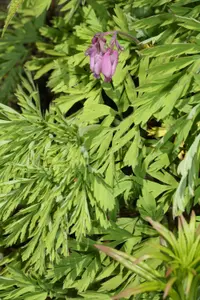
Pacific bleeding heart
Dicentra formosa
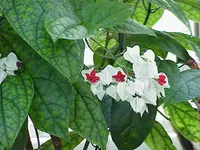
Bleeding glory-bower
Clerodendrum thomsoniae
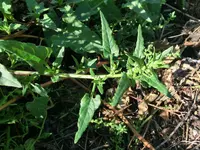
Patellifolia procumbens
Patellifolia procumbens
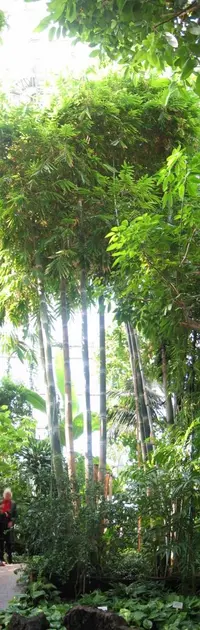
Giant Bamboo
Dendrocalamus giganteus
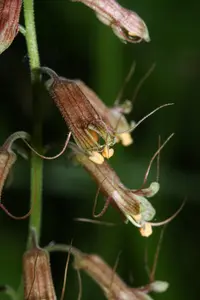
piggy-back plant
Tolmiea menziesii
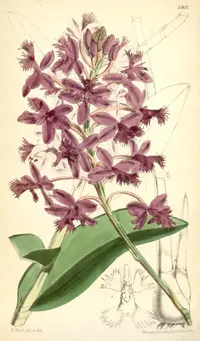
Jamieson's Epidendrum
Epidendrum jamiesonis
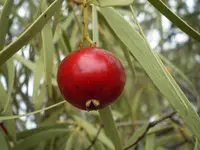
Desert Quandong
Santalum acuminatum