Desert Quandong Care (Santalum acuminatum)

Desert Quandong

About Desert Quandong

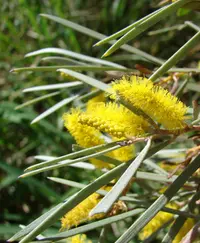
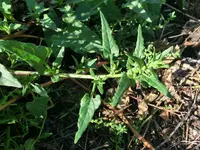
Desert quandong (Santalum acuminatum) is a semi-parasitic shrub or small tree native to the arid and semi-arid regions of inland Australia. It often grows 2–6 m tall with narrow grey-green leaves and rough, dark bark.

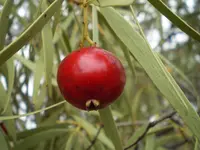
The plant is best known for its bright red edible fruits with a large textured stone, used traditionally as bushfood. Its roots naturally attach to nearby host plants to obtain water and nutrients, which is the main factor that makes it more challenging to cultivate.

Those who care for Desert Quandong need to provide very well-drained, low-fertility soil and full sun, usually together with suitable host plants for healthy long-term growth.

Main Plant Requirements

Care Difficulty

Hard Care

Light Preference

Full Sun

Water Requirements

Low Water

Temperature Preference

Warm Climate

Hardiness Zone

9–11

Soil Texture

Sandy, Loamy, Rocky

Soil pH

Slightly acidic (6.5–7.0), Neutral (7.0)

Soil Drainage

Well-drained

Fertilization

Minimal (feed rarely)

Get Personalized Care Plan

Scan your plant to receive care tips personalized for your specific plant

Available on iOS and Android

How to Care for the Desert Quandong

This arid-zone hemiparasitic tree needs abundant direct sun to grow and fruit well.

  • Provide 6–8 hours of full sun daily; Desert Quandong performs best in open, unshaded positions in the landscape.
  • Tolerates light afternoon shade in very hot regions, but growth may slow and flowering can reduce if sun drops below about 5 hours per day.
  • Young plants may scorch in sudden heat waves; introduce them gradually to intense sun and avoid reflective surfaces that amplify midday radiation.

This drought-adapted species prefers infrequent, deep watering and well-drained soils.

  • Allow the top 5–8 cm of soil to dry between waterings; in established trees the soil can dry deeper, as roots are adapted to arid conditions.
  • Reduce watering in cool seasons, increasing only during hot, dry periods when leaves lose turgor or new growth stalls, which signals mild water stress.
  • Use very free-draining, sandy or gravelly soil to prevent waterlogging; yellowing leaves and dieback of fine roots indicate chronic overwatering.

This species is adapted to hot, dry climates and dislikes prolonged cold or humidity.

  • Ideal growth occurs around 70–90°F (21–32°C), with warm, dry air promoting healthy foliage and fruit development.
  • Mature plants may tolerate brief drops near 28°F (-2°C), but young Santalum acuminatum are more cold-sensitive and benefit from protection from frost pockets.
  • In heatwaves above 100°F (38°C), trees usually cope if soil is not waterlogged; light mulch helps buffer root temperatures through seasonal extremes.

This arid-adapted species tolerates low humidity and seldom needs special humidity management.

This desert shrub requires very free-draining, low-fertility soil to prevent root rot and support its hemi-parasitic habit.

  • Use a sandy or sandy-loam mix with at least 50–70% coarse sand or fine gravel to mimic native desert soils.
  • Keep drainage very sharp by avoiding peat-heavy mixes and incorporating mineral grit, pumice, or perlite for aeration.
  • Maintain slightly acidic to neutral pH around 6.0–7.5, avoiding strongly acidic or alkaline extremes that limit nutrient availability.
  • Do not add rich compost or heavy manures; Santalum acuminatum prefers lean substrates and is sensitive to waterlogged or compacted conditions.

This species can be grown in containers for early stages and controlled conditions, but long-term growth is challenging.

  • Select a deep, heavy pot that resists tipping as the woody canopy develops and wind exposure increases.
  • Combine a very gritty mix with extra side drainage holes to keep the root zone dry between thorough waterings.
  • Plant a compatible host species in the same pot so the hemi-parasitic roots can attach and maintain vigorous growth.

This semi-parasitic Australian native needs only light feeding, especially when young or container-grown Desert Quandong.

  • Use a low–moderate strength balanced NPK or native-plant slow-release fertilizer at 25–50% label rate to avoid excess nutrients.
  • Feed once at the start of the warm growing season, then again mid-season if growth is weak.
  • Avoid rich manure; instead, top-dress thinly with well-aged compost away from the stem and host roots.
  • Do not fertilize in winter or during obvious dormancy, as cool conditions and low growth increase burn risk.

Pruning Santalum acuminatum is mainly structural and hygienic rather than heavy shaping.

  • Carry out light pruning in late winter to early spring before active growth, in frost-free conditions.
  • Remove dead, diseased, rubbing, or inward-facing branches to improve airflow and light penetration.
  • Shorten overly long or crossing shoots to maintain a balanced, open canopy and support fruiting wood.
  • Use clean, sharp bypass secateurs and make smooth cuts just above a bud or branch junction to reduce infection risk.

This species is usually grown in-ground with a host plant, so management focuses on careful transplanting of young trees rather than frequent repotting.

  • Transplant when roots lightly fill the nursery container, avoiding plants with roots circling heavily or growing out of drainage holes.
  • Plan moves for late winter to early spring, allowing establishment before intense summer heat or drought.
  • Expect only 1 transplant from tube or small pot to final position; repeated disturbance increases transplant shock in the hemiparasitic root system.
  • Water deeply before and after transplanting, keep the root ball intact, and shade the plant for 1–2 weeks to reduce stress.

Propagation of Santalum acuminatum is specialised and most successful from seed in controlled conditions.

  • Use fresh, cleaned seed; sow in late winter to early spring in a free-draining, sandy mix kept just moist and warm at 68–77°F.
  • Scarify the hard seed coat lightly and consider a short soak in warm water to improve germination rates.
  • Introduce a suitable host species in the same container or nearby bed early, as sandalwood forms haustoria that connect to host roots.
  • Maintain bright light, low to moderate watering, and very good drainage to minimise damping-off and root rot in seedlings.

This warm-temperate to arid tree is only lightly frost tolerant and benefits from basic winter protection in cooler regions.

  • In climates below about 28°F, grow in a sheltered microclimate or as a container specimen for easier management.
  • Mulch the root zone with a 5–8 cm layer of coarse organic material, keeping it a few cm away from the trunk.
  • For young or container plants, move under cover or against a warm wall during freezes and cold, drying winds.

Care Tips

Host Root Management

Plant compatible host species (such as acacias or myrtles) 30–100 cm from the trunk and prune them lightly once established so their roots stay active but do not outcompete the desert quandong for moisture and nutrients.

Early Wind Protection

Install shade cloth or open windbreak mesh on the windward side for the first 1–2 years to reduce wind scorch and trunk rocking, then gradually remove it as the tree develops a stronger root system.

Fruit Load Control

Thin young fruit by removing some developing drupes by hand after fruit set, especially on young or stressed trees, to reduce branch breakage and help the plant put more energy into root and canopy development.

Trunk Collar Care

Keep mulch and soil pulled back 5–10 cm from the trunk base so the root collar remains dry and well aerated, which helps prevent collar rot and borer problems.

Targeted Pest Monitoring

Inspect new flushes of growth and flower clusters every 1–2 weeks during warm seasons for scale insects and caterpillars, and spot-treat only the affected shoots with horticultural oil or hand removal to keep chemical use low while still effectively growing Desert Quandong.

Common Pests and Diseases

Quandong moth

This pest is the larval stage of a native moth that bores into developing fruit, causing premature fruit drop and internal damage. Symptoms include small entry holes, frass (sawdust-like droppings), and hollowed or rotten fruit.

Solution

Collect and destroy infested and fallen fruit to break the life cycle, and remove any larvae you see during inspection. Use fine netting over trees during the main fruiting period and maintain good orchard hygiene as part of broader Santalum acuminatum care to reduce moth pressure over time.

Quandong scale

These insects are sap-sucking scale pests that attach to stems, leaves, and sometimes fruit, leading to yellowing foliage, reduced vigor, and sticky honeydew that can support sooty mold growth. Heavy infestations can stunt young trees and reduce fruit yield.

Solution

Prune and dispose of heavily infested twigs, then wash remaining stems and leaves with a strong stream of water and a horticultural soap or light horticultural oil, ensuring full coverage of the scale. Encourage natural predators such as lady beetles where possible and avoid overuse of broad-spectrum insecticides that disrupt beneficial insects.

Parasitic mistletoe

This pest plant is a hemiparasitic (partly parasitic) shrub that attaches to branches and draws water and nutrients from the host, leading to dieback and reduced growth. Symptoms include dense clumps of foliage emerging from branches and gradual thinning of the host canopy around the infestation site.

Solution

Cut mistletoe off flush with the branch and, where practical, remove an additional 20–30 cm of the infected branch to reduce regrowth, then dispose of all removed material away from the planting area. Monitor trees at least once or twice a year and remove new mistletoe early before it becomes large and more damaging.

Dieback (Phytophthora)

This disease is caused by water-mold pathogens such as Phytophthora species that attack roots and the lower stem, leading to leaf yellowing, wilting, and branch dieback, often in poorly drained or overwatered sites. Symptoms include a sudden decline in tree vigor and browning of fine roots.

Solution

Improve drainage, avoid waterlogging, and reduce irrigation on affected plants, then remove and destroy severely affected individuals that do not recover. In high-risk areas, use raised beds or mounded rows, avoid moving contaminated soil, disinfect tools, and consider registered phosphite (phosphonate) treatments applied according to local regulations and label directions.

Rust

This disease is a fungal infection that can affect leaves and young shoots, producing orange to brown pustules on the underside of leaves and causing premature leaf drop. Symptoms include scattered spots, distorted young foliage, and a fine dusting of spores that rub off on fingers or clothing.

Solution

Prune and dispose of infected leaves and small shoots, improving airflow through the canopy by thinning dense growth and avoiding overhead irrigation where possible. In persistent or severe cases, apply a registered fungicide labeled for rust diseases on woody natives, following all label directions, and monitor new growth for early signs so treatment can start promptly.

Interesting Facts

Hemiparasitic root strategy

This species is a hemiparasite, meaning it performs photosynthesis but also taps into the roots of host plants to obtain water and minerals via specialized structures called haustoria.

Desert-adapted fruit production

Despite growing in arid and semi-arid regions of inland Australia, this tree produces relatively large, fleshy red fruits that develop after long dry periods and provide an important seasonal food source for wildlife.

Deep cultural significance

The species is an important traditional bushfood for many Aboriginal communities, with fruits eaten fresh or dried and the plant embedded in regional ecological knowledge and land management practices.

Botan icon

Did you know?

The seeds of this species have a very hard woody endocarp and show strong dormancy, so in natural conditions they may take years to germinate unless processes like weathering, fire, or mechanical damage help break the tough seed coat.

FAQs about Desert Quandong

The bright red fruit is edible and traditionally eaten fresh, dried, or cooked in jams and sauces. The kernel is also edible but very hard to extract. Only ripe, undamaged fruit should be harvested for food use.

Grow Healthy Plants with Botan Care

Keep your plants happy and healthy with plant identification, disease detection, and easy care guidance.

Botan plant care app — identify plants on mobile

Explore More Plants