cabeluda Care (Myrciaria glazioviana)

Also known as: yellow jaboticaba
cabeluda

About cabeluda

Cabeluda (Myrciaria glazioviana) is a small tropical fruit tree from the Atlantic Forest regions of Brazil. It belongs to the same family as jaboticaba and other Myrciaria species.

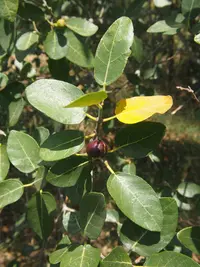
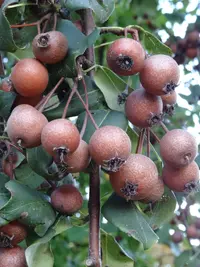
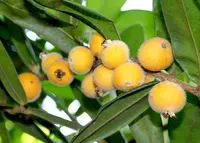
The plant forms a compact, branching crown with glossy green leaves and showy yellow, grape-sized fruits that grow along the branches. Its fruit is valued for fresh eating and small-scale home orchards.

In warm climates it adapts well to gardens or large containers, though growth is slower in cooler areas. Understanding how to care for cabeluda starts with providing warmth, steady moisture, and well-drained, slightly acidic soil.

Overall it is considered moderate in difficulty, mainly because it dislikes cold, long droughts, and poorly drained or compacted soil.

Main Plant Requirements

Care Difficulty

Moderate Care

Light Preference

Full Sun

Water Requirements

Regular Water

Temperature Preference

Tropical / Frost Sensitive

Hardiness Zone

10–11

Soil Texture

Sandy, Loamy, Organic-rich

Soil pH

Acidic (5.5–6.5)

Soil Drainage

Moist but well-drained

Fertilization

Light (every 4–6 weeks)

Get Personalized Care Plan

Scan your plant to receive care tips personalized for your specific plant

Available on iOS and Android

How to Care for the cabeluda

Myrciaria glazioviana grows best with bright light and some protection from harsh midday sun.

  • Provide 4–6 hours of direct morning sun or late-afternoon sun, with light shade during the strongest midday hours, especially in hotter climates.
  • Young cabeluda plants benefit from 30–50% filtered shade cloth or dappled tree shade to reduce leaf scorch while establishing.
  • Watch for pale, elongated shoots as a sign of insufficient light and for brown, crispy leaf edges as a sign of excessive intense sun exposure.

Myrciaria glazioviana prefers evenly moist, well-drained soil without long periods of drought or saturation.

  • Water when the top 3–5 cm of soil feels dry, allowing moisture to reach the deeper root zone but avoiding standing water around the trunk.
  • Use a deep, slow soak in well-draining soil; yellowing leaves and a sour smell in the root zone suggest overwatering and poor drainage.
  • In hotter months, monitor more often as leaves may droop slightly when thirsty; in cooler seasons, extend the interval between waterings as growth slows.

This species thrives in warm, frost-free conditions typical of subtropical and tropical climates.

  • Aim for 70–86°F (21–30°C) for active growth; development slows below about 65°F (18°C).
  • Protect the plant from temperatures below 40°F (4°C); light frost can damage young leaves and severe frost may kill young trees.
  • In hot spells above 95°F (35°C), provide extra mulch and some afternoon shade to limit heat stress and reduce leaf scorch risk.

This species benefits from moderately high, stable humidity to support steady growth and fruiting.

  • Aim for 50–70% humidity, which reflects its subtropical origin and keeps new leaves and flowers developing evenly.
  • It tolerates short periods of 35–40% air moisture but prolonged dry air can slow growth and cause leaf-edge browning or tip dieback.
  • Increase humidity around cabeluda with grouped plants, a pebble tray kept topped with water below the pot, or a nearby cool-mist humidifier.

Provide a deep, well-aerated, slightly acidic, moisture-retentive but free-draining substrate.

  • Use a loamy mix built from roughly 40% compost, 30% coconut coir or peat, and 30% perlite or coarse sand for structure and drainage.
  • Keep pH around 5.5–6.5; incorporate pine bark fines or leaf mold if native soil is more alkaline to gently acidify the mix.
  • Ensure strong drainage by avoiding heavy clay and by breaking up any compacted native layer before planting to prevent water stagnation.
  • For Myrciaria glazioviana, maintain consistent moisture without waterlogging by mulching with 3–5 cm of fine bark to moderate evaporation and surface compaction.

This species adapts well to container growing when root space, moisture balance, and stability are managed carefully.

  • Choose a tall, heavy container that resists tipping as the woody canopy develops and fruits add weight on windy days.
  • Select a pot volume that is generous but not oversized so the mix does not stay saturated for too long after watering.
  • Use a slightly moisture-retentive mix in non-glazed or fabric pots, which allow excess water and humidity to escape through the sides.

Myrciaria glazioviana benefits from moderate, consistent nutrition during the warm growing season.

  • Apply a balanced slow-release NPK fertilizer in spring at label rates to support healthy growth and fruiting when caring for cabeluda.
  • Supplement with a light top-dressing of compost once per year to improve soil structure and microbial activity.
  • During active growth, use a diluted liquid balanced fertilizer (about 1/2 strength) every 4–6 weeks if container-grown.
  • Reduce or stop feeding in late fall and winter, when growth naturally slows, to avoid weak, elongated shoots.

Myrciaria glazioviana responds well to light structural pruning that maintains an open, healthy canopy.

  • Carry out main pruning in late winter or very early spring before vigorous new growth starts.
  • Remove dead, damaged, crossing, or inward-growing branches to improve airflow and reduce disease risk.
  • Shorten overly long shoots to shape the canopy and keep fruit within easy reach without heavy heading cuts.
  • Use sharp, clean bypass pruners and make smooth cuts just above a bud or branch junction to encourage proper healing.

This species is often grown as a small tree, so focus on careful transplanting or container up-potting to avoid root shock.

  • Transplant or repot in spring, once frost risk has passed and new growth begins, for faster recovery.
  • Look for roots circling the pot, water running straight through, or slowed growth as signs it needs a larger container.
  • Move up only 1–2 pot sizes, gently loosen circling roots, and keep the original soil level at the same height in the new pot or ground.
  • Water thoroughly after planting, provide light shade for 1–2 weeks, and maintain even moisture to reduce transplant stress.

Myrciaria glazioviana is most commonly propagated from seeds, which require fresh, viable material and warm conditions.

  • Sow fresh seeds in late spring or early summer, as viability drops quickly once the fruit is harvested.
  • Use a well-drained, slightly acidic seed-starting mix and keep it evenly moist but not waterlogged.
  • Maintain warm temperatures around 75–85°F and high humidity to encourage faster, more uniform germination.
  • Provide bright, indirect light and transplant seedlings carefully once roots fill the small cell or pot.

This subtropical species is sensitive to freezing conditions and benefits from targeted winter protection in cooler climates.

  • Avoid exposure to temperatures below about 28–30°F, which can damage foliage and young stems.
  • Mulch the root zone with 5–8 cm of organic material, keeping it slightly away from the trunk to reduce rot risk.
  • Wrap young trunks with breathable frost cloth or horticultural fleece during cold snaps in marginal climates.
  • Move container plants indoors or into a greenhouse before the first hard frost, providing bright light and reduced watering.

Care Tips

Early structural pruning

In the first 2–3 years, remove crossing branches and shorten overly vigorous shoots in late winter to create a single sturdy trunk and 3–5 well‑spaced primary branches for long‑term fruiting structure.

Fruit‑load management

On young trees, thin clusters so fruits are spaced 3–5 cm apart along the branches, which reduces limb stress and improves fruit size and sweetness.

Wind and branch support

In exposed sites, install 2–3 sturdy stakes and use soft ties to stabilize the trunk, and add simple prop sticks under heavily loaded fruiting branches to prevent splitting during storms.

Cold‑event preparation

Before forecast lows near the plant’s minimum tolerance, water the root zone thoroughly, mulch to 5–8 cm, and cover the canopy with frost cloth supported on a frame so the fabric does not rest directly on the leaves.

Container root management

For potted plants, slip the tree from its container every 12–18 months, lightly prune circling roots, and move it into a pot only 5–8 cm wider to keep growth balanced and support long‑term growing cabeluda in limited space.

Common Pests and Diseases

Fruit flies

These insects are strongly attracted to the soft, sweet fruits and lay eggs in damaged or overripe berries, leading to rapid decay and maggoty fruit. Symptoms include tiny puncture marks on the skin, soft spots, and larvae inside the pulp.

Solution

Collect ripe fruits promptly, remove and dispose of fallen or damaged fruit, and use fine mesh bags around clusters to reduce egg laying. In outdoor orchards, deploy yeast or vinegar-based traps placed slightly away from the trees to monitor and reduce adult populations.

Scale insects

This pest feeds on sap, often colonizing young twigs and the undersides of leaves, which can cause yellowing, reduced vigor, and sticky honeydew that encourages sooty mold. Infestations are more common on sheltered, low-airflow trees or plants kept under cover.

Solution

Wipe or gently scrub affected stems and leaves with a soft cloth or brush dipped in mild soapy water, then rinse. For heavier infestations, use a horticultural oil spray, ensuring thorough coverage of stems and leaf undersides, and improve light and airflow around the plant.

Cercospora leaf spot

This disease causes small, circular to irregular brown or purplish spots on leaves, sometimes with a pale center and darker margin, leading to premature leaf drop in humid, warm conditions. Symptoms include thinning foliage on the inner canopy where moisture lingers longer.

Solution

Prune to open the canopy and improve airflow, remove and discard heavily spotted fallen leaves, and avoid overhead watering that keeps foliage wet for long periods. In regions with recurrent problems, apply a copper-based fungicide at the start of warm, wet periods according to label directions.

Anthracnose

This disease affects young leaves, shoots, and sometimes fruits, causing dark, sunken lesions, leaf distortion, and tip dieback, especially during rainy and humid weather. Symptoms include blighted leaf tips and small necrotic spots along veins.

Solution

Prune out and dispose of affected twigs and leaves, disinfecting tools between cuts, and avoid dense, shaded plantings that stay wet. In areas where anthracnose is common when growing cabeluda outdoors, preventively use an appropriate fungicide at bud break and repeat in prolonged wet periods if needed.

Mites

These pests are tiny sap feeders that thrive in hot, dry conditions and on stressed plants, causing fine stippling, bronzing, and sometimes webbing on the undersides of leaves. Symptoms include dull, rough-looking foliage and reduced growth on container-grown plants or those under cover.

Solution

Rinse foliage thoroughly with a strong but gentle stream of water, focusing on leaf undersides, and repeat several times over 1–2 weeks. If populations remain high, apply insecticidal soap or a light horticultural oil, and maintain moderate humidity and regular watering to reduce plant stress.

Interesting Facts

Brazilian restinga specialist

This species is native to the coastal Atlantic Forest and restinga ecosystems of southeastern Brazil, where it tolerates sandy, acidic, nutrient-poor soils and seasonal salt-laden winds better than many other fruit trees.

Pulp with carotenoids

The yellow to orange fruit pulp is rich in carotenoid pigments such as beta-carotene, which give the fruit its color and have antioxidant properties documented in broader Myrtaceae fruit studies.

Cauliflorous fruiting habit

The tree often bears fruit directly on older branches and the main trunk, a growth pattern called cauliflory that increases accessibility of the fruit to small mammals and other ground-foraging dispersers.

Botan icon

Did you know?

This species has been used in Brazil as a genetic resource in breeding and research programs aimed at improving jaboticaba-type fruits, because it combines relatively fast juvenile growth with desirable fruit quality traits such as aromatic pulp and thin skin.

FAQs about cabeluda

This species adapts well to large containers if root space and drainage are adequate. Use a deep pot, refresh the top substrate regularly, and up-pot gradually as roots fill the container to support long-term health.

Grow Healthy Plants with Botan Care

Keep your plants happy and healthy with plant identification, disease detection, and easy care guidance.

Botan plant care app — identify plants on mobile

Explore More Plants