Red Alder Care (Alnus rubra)

Also known as: Oregon Alder, Western alder
Red Alder

About Red Alder

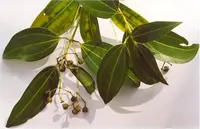
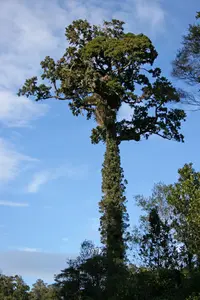
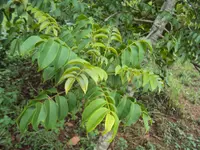
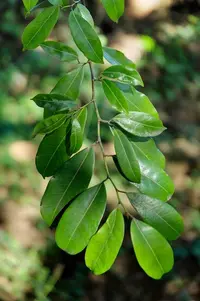
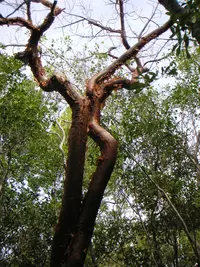
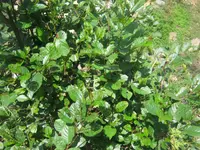
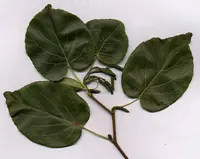
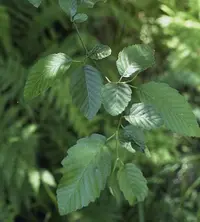
Red alder, Alnus rubra, is a fast-growing deciduous tree native to the Pacific Northwest of North America. It typically forms tall, straight trunks with a broad, light canopy and smooth gray bark that darkens with age. Leaves are oval, finely toothed, and remain a clear green until they drop in autumn.

In nature, red alder often colonizes moist riverbanks, disturbed sites, and forest edges, where it improves soil by fixing nitrogen in its roots. It prefers cool, moist climates, full sun, and reasonably well-drained, slightly acidic soils. These traits make it relatively easy to establish in suitable outdoor conditions, but its eventual size and moisture needs are important when planning how to care for Red Alder.

Main Plant Requirements

Care Difficulty

Moderate Care

Light Preference

Full Sun

Water Requirements

Keep Soil Moist

Temperature Preference

Cold Hardy

Hardiness Zone

4–7

Soil Texture

Loamy, Silty, Organic-rich

Soil pH

Strongly acidic (4.5–5.5), Acidic (5.5–6.5)

Soil Drainage

Waterlogged tolerant

Fertilization

Minimal (feed rarely)

Get Personalized Care Plan

Scan your plant to receive care tips personalized for your specific plant

Available on iOS and Android

How to Care for the Red Alder

This fast-growing native tree prefers bright, open sites with consistent sun exposure.

  • Provide 6–8 hours of direct sun daily; full sun promotes tallest growth and strongest stems for Red Alder.
  • Tolerates light to moderate partial shade, especially with morning sun and light afternoon shade, but dense shade leads to sparse, weak branches.
  • In hot inland areas, protect young trees from intense late-afternoon sun to reduce leaf scorch, and avoid shading them heavily in winter when light levels are lower.

This species is adapted to moist habitats and benefits from consistently damp, not stagnant, soil.

  • In the ground, aim for soil that stays evenly moist to a depth of 10–15 cm; do not allow long periods of cracking-dry soil around young Alnus rubra.
  • Choose soil with good structure and drainage near streams, swales, or low areas; avoid compacted sites where water pools for many days.
  • Watch for stress signs: yellowing leaves and dieback can indicate prolonged flooding, while curling, browning leaf edges suggest extended drought.

This temperate-climate tree is cold hardy but grows best under moderate temperature conditions.

  • Active growth is strongest around 55–75°F (13–24°C), with seedlings and saplings establishing fastest in this range.
  • Mature trees tolerate winter lows to about -20°F (-29°C) once established, but young plants benefit from protection from severe, exposed windchill.
  • Heat above 90°F (32°C) is tolerated if soil moisture is high; extended hot, dry spells can slow growth and increase leaf scorch risk.

Humidity is rarely a concern for Alnus rubra, which is adapted to a wide range of outdoor moisture conditions.

Alnus rubra prefers moist, deep soils but adapts if structure, drainage, and aeration are managed carefully.

  • Use a loamy, organic-rich soil that retains moisture yet remains friable, avoiding heavy compacted clay where roots suffocate.
  • Aim for slightly acidic to neutral pH, around 5.5–7.0, which supports nutrient availability and healthy microbial activity.
  • In poorly structured ground, blend in compost and coarse sand or fine gravel to improve drainage and oxygen movement around roots.
  • Avoid chronically waterlogged spots with standing water, which promote root rot and limit nitrogen-fixing root nodule function.

This species is generally unsuitable for long-term container growing, except as a very short-term nursery or restoration-stage plant.

This nitrogen-fixing tree usually needs little or no fertilizer in average garden soil.

Pruning Alnus rubra focuses on safety, structure, and removal of weak wood rather than frequent shaping.

  • Carry out main pruning in late winter while the tree is dormant, before bud break.
  • Remove dead, diseased, storm-damaged, or rubbing branches using clean, sharp loppers or a pruning saw.
  • Thin crowded interior branches to improve light penetration and strong scaffold structure.
  • Avoid heavy topping cuts; instead, make selective thinning cuts back to a lateral branch or trunk collar.

Transplanting this fast-growing native tree requires attention to root handling and timing.

  • Look for circling roots, roots emerging from drainage holes, or stunted growth in nursery containers as a cue to transplant.
  • Transplant young trees in late fall or early spring, when soil is workable and the tree is dormant.
  • Disturb the root ball as little as possible; gently tease apart circling roots without breaking the core root mass.
  • Water thoroughly after planting, apply 5–8 cm of mulch over the root zone, and keep soil evenly moist to reduce stress.

Alnus rubra is most often propagated from seed rather than vegetative methods.

  • Collect mature cones in late fall, dry them, and extract the small seeds for storage or immediate sowing.
  • Sow seeds in late winter to early spring in a cold frame or outdoor seedbed with moist, well-drained substrate.
  • Cold stratify stored seed for 30–90 days at 32–41°F to improve germination rates.
  • Keep seed evenly moist, provide full light, and transplant seedlings once they have several true leaves and sturdy stems.

Established Alnus rubra trees are cold hardy and usually need no special winter care in temperate climates.

  • Apply a 5–8 cm mulch layer around the root zone in late fall to moderate soil temperature and moisture.
  • For young or newly planted trees, avoid de-icing salts nearby, as they can damage roots and bark.

Care Tips

Manage Root Spread

Install a root barrier 45–60 cm deep between the planting site and nearby hardscape or septic lines to prevent aggressive roots from heaving pavement or invading pipes over time.

Use As Nurse Tree

Plant slower-growing conifers or hardwoods 2–3 m away on the south or west side of young alder stands so they benefit from wind protection and modest shade, then selectively thin the alder once companion trees are well established.

Coppice For Renewal

On young to mid-age trees in suitable sites, cut stems back to 30–60 cm above ground in late winter every 8–15 years to encourage vigorous new shoots and maintain a dense, healthy stand for biomass or habitat.

Encourage Natural Regeneration

After harvesting or removing trees, lightly scarify the soil surface and leave some slash or twiggy debris so seed can contact mineral soil while still benefiting from modest shelter, which improves natural reseeding success when growing Red Alder.

Monitor Nitrogen Effects

Because this species fixes nitrogen, regularly inspect adjacent lawns, pastures, or water bodies for lush weed growth or algal buildup and adjust surrounding fertilization and mowing regimes to avoid excessive nutrient loading.

Common Pests and Diseases

Alder flea beetle

This pest feeds on leaves, creating many small round holes and giving foliage a shot‑hole or lace‑like appearance.

Solution

Monitor young trees in spring and early summer and prune off heavily infested twigs if practical. For landscape trees, encourage birds and predatory insects, avoid excess nitrogen that promotes lush, tender growth, and if damage becomes severe, use a targeted contact or systemic insecticide labeled for beetles on trees, applied according to local regulations.

Defoliating sawflies

These insects skeletonize or completely strip leaves, especially on young or stressed trees, and can cause noticeable thinning of the canopy.

Solution

Inspect foliage in late spring and early summer for clusters of larvae on the undersides of leaves and remove or destroy infested leaves where feasible. In managed plantings, a biological product containing Bacillus thuringiensis (Bt) or a selective insecticide labeled for sawflies can be used early in the outbreak, while maintaining plant vigor through proper watering and avoiding mechanical root damage.

Alder canker

This disease causes sunken, often elongated lesions on stems and branches, which may ooze resinous exudate and lead to dieback above the affected area.

Solution

Prune out infected branches during dry weather, cutting several cm below visible symptoms and disinfecting tools between cuts with alcohol or a 10% bleach solution. Improve air circulation, avoid trunk wounds, and prevent prolonged soil compaction or flooding around the root zone to reduce stress and lower susceptibility.

Foliage rust

This disease produces yellow to orange spots on upper leaf surfaces and powdery rust pustules on the undersides, sometimes leading to early leaf drop.

Solution

Rake and remove fallen leaves in autumn to reduce overwintering spores and avoid overhead irrigation that keeps foliage wet for long periods. In high‑value plantings where rust recurs, a labeled protective fungicide can be applied at leaf emergence and repeated as directed, combined with good spacing and pruning to promote faster leaf drying.

Leaf spot complex

Symptoms include small brown to black spots on leaves that may coalesce, giving foliage a scorched or tattered look, especially in warm, wet periods.

Solution

Remove and dispose of heavily spotted leaves, both on the tree (where reachable) and on the ground, to lower inoculum levels. Provide good airflow, avoid wetting the foliage late in the day, and where how to take care of Red Alder is a priority in designed landscapes, consider preventative fungicide sprays during prolonged wet weather if local guidelines support such use.

Interesting Facts

Nitrogen-fixing pioneer

Red alder forms a symbiosis with the actinobacterium Frankia alni in root nodules, allowing the tree to fix atmospheric nitrogen and enrich poor or disturbed soils.

Rapid forest colonizer

This species quickly establishes after clear-cutting, landslides, or fires in the Pacific Northwest, often forming dense even-aged stands that prepare sites for later-successional conifers.

Stream-friendly leaf litter

Red alder leaf litter decomposes rapidly and releases nitrogen into streams, supporting algae, aquatic invertebrates, and salmonid food webs in its native range.

Botan icon

Did you know?

Red alder wood is widely used as a standard reference material in North American forestry and wood science because it is a common, relatively uniform hardwood that machines, finishes, and glues predictably for testing and product development.

FAQs about Red Alder

This species is notably fast-growing, often adding 60–120 cm in height per year when young in moist, open sites. Growth slows as it matures, especially if soil becomes compacted, excessively dry, or nutrient-poor.

Grow Healthy Plants with Botan Care

Keep your plants happy and healthy with plant identification, disease detection, and easy care guidance.

Botan plant care app — identify plants on mobile

Explore More Plants