Italian Alder Care (Alnus cordata)

Also known as: Alder of Corsica
Italian Alder

About Italian Alder

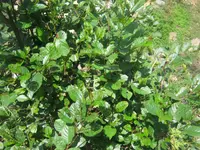
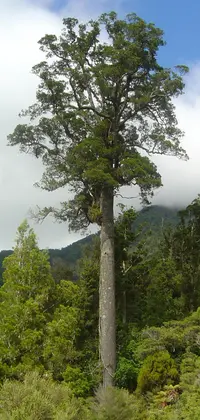
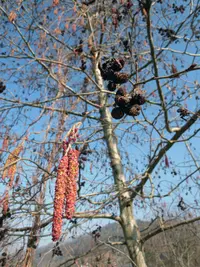
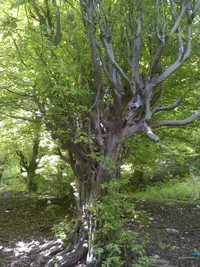
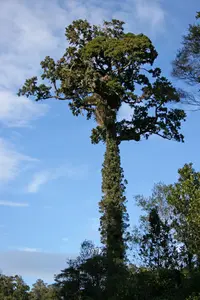
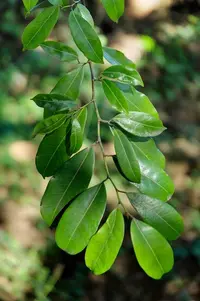
Italian alder, Alnus cordata, is a fast-growing deciduous tree valued for its narrow, upright crown and glossy, heart-shaped leaves that stay green late into autumn. It can reach medium to large tree size and forms a tidy, vertical silhouette suitable for streets, shelterbelts, and larger gardens.

This species is native to southern Italy and Corsica, where it naturally colonizes rocky slopes and moist mountain valleys. It improves soil by fixing nitrogen through root bacteria, which helps it tolerate poorer sites and reduces fertilization needs.

Italian alder generally prefers full sun, evenly moist but well-drained soil, and is considered relatively easy to establish and maintain once you understand how to care for Italian Alder.

Main Plant Requirements

Care Difficulty

Easy Care

Light Preference

Full Sun

Water Requirements

Regular Water

Temperature Preference

Cold Hardy

Hardiness Zone

5–7

Soil Texture

Sandy, Loamy, Clay

Soil pH

Slightly acidic (6.5–7.0), Neutral (7.0)

Soil Drainage

Moist but well-drained

Fertilization

Minimal (feed rarely)

Get Personalized Care Plan

Scan your plant to receive care tips personalized for your specific plant

Available on iOS and Android

How to Care for the Italian Alder

Alnus cordata grows best in bright, open sites with access to full sun for strong, dense growth.

  • Aim for 6–8 hours of direct sun daily; full sun to light shade works, but dense shade leads to weak, elongated shoots.
  • Allow some protection from intense, late-afternoon summer sun in hot regions to reduce leaf scorch and moisture stress.
  • In the first 2–3 years, avoid planting on heavily shaded north sides of buildings where winter low sun further limits growth.

This species prefers consistently moist, but not stagnant, soil, especially during its establishment phase.

  • Water young trees when the top 3–5 cm of soil feel just barely damp, not dry and powdery, focusing on the root zone, not the trunk.
  • In summer dry spells, deep-soak once soil begins to crack or grass around the tree yellows, then allow excess water to drain freely.
  • Reduce supplemental watering in fall and winter, watching for yellowing leaves and dieback as signs of prolonged waterlogging.

This tree is hardy and tolerates a broad temperature range when planted in the ground.

  • Optimal growing temperatures are around 60–77°F (16–25°C) during the main growing season for steady shoot and root development.
  • Fully dormant trees tolerate down to about 0°F (−18°C) once established, though young plants benefit from shelter from harsh winter winds.
  • Mature trees handle summer heat up to about 90–95°F (32–35°C) if soil moisture is maintained, but prolonged drought plus heat can stress foliage.

This species is adaptable and humidity is rarely a concern in outdoor settings across most temperate regions.

Alnus cordata establishes best in deep, moist, well-structured mineral soil that stays aerated.

  • Use a loamy or sandy-loam soil with moderate organic matter, such as garden soil blended with compost in the top layer.
  • Ensure steady moisture but avoid stagnant conditions; soils should drain freely yet not dry out completely between waterings.
  • Aim for slightly acidic to neutral pH, roughly 5.5–7.5, as strongly alkaline soils can reduce nutrient availability.
  • On compact or heavy clay sites, improve aeration and drainage by incorporating coarse sand or fine gravel into the upper soil profile.

This fast-growing tree is generally unsuited to long-term container culture except for temporary use in large, outdoor tubs.

  • Choose a very heavy, wide container to prevent wind rock, as the tree forms a tall, top-heavy canopy quickly.
  • Use a deep pot to accommodate a vigorous taproot and lateral roots, limiting restriction during the early growth phase.
  • Position the container where it is sheltered from strong prevailing winds, as leverage on the root ball is higher in pots than in-ground.

Alnus cordata generally grows well in average garden soil with modest feeding needs.

  • Apply a light layer of well-rotted compost around the root zone once in spring to support steady growth.
  • In poorer soils, use a balanced slow-release NPK fertilizer at half strength in early spring.
  • Avoid midsummer and late-season feeding to prevent soft growth that may not harden before winter.
  • Do not fertilize during winter dormancy; focus instead on watering only when soil is dry.

Pruning Alnus cordata focuses on structural safety and maintaining a stable crown.

  • Carry out main pruning in late winter to early spring, before bud break.
  • Remove dead, diseased, crossing, or storm-damaged branches using clean, sharp loppers or a pruning saw.
  • Thin crowded interior branches to improve light and airflow, shaping a single strong leader where possible.
  • Avoid heavy topping cuts; use reduction cuts back to side branches to preserve natural form.

Italian Alder is usually grown in the ground, so management centers on careful transplanting of young trees.

  • Transplant in late fall or early spring when the tree is dormant and soil is workable.
  • Look for slowed top growth or roots circling a nursery pot as signs a container-grown plant needs a larger space.
  • Move up only 1–2 pot sizes or into a well-prepared ground site, keeping the root flare at soil level.
  • Reduce stress by watering thoroughly before and after transplanting and mulching to keep soil evenly moist.

Propagation of Alnus cordata is usually done from seed for landscape use.

  • Collect ripe cones in late fall, then dry and extract seeds for sowing.
  • Cold stratify seeds at 35–40°F for 4–6 weeks to break dormancy and improve germination.
  • Sow in a free-draining seed mix, keep evenly moist, and provide bright, indirect light until seedlings establish.
  • Softwood cuttings in early summer root only under controlled conditions with high humidity and bottom heat.

This species is generally cold hardy in much of the US and needs minimal winter care once established.

  • Young or newly planted trees benefit from 5–8 cm of mulch over the root zone, kept away from the trunk.
  • Container-grown specimens should be moved to a sheltered, unheated space where roots stay above about 20°F.
  • Water only during extended winter dry spells to prevent root desiccation in exposed or potted plants.

Care Tips

Shelterbelt placement

When planting as a windbreak, stagger trees in a double row with 2.5–3 m between trees and 3–4 m between rows to create a dense, effective shelterbelt that still allows machinery access.

Root zone protection

Keep turfgrass and heavy foot traffic away from the root zone by maintaining a 60–90 cm wide, mulched ring around the trunk to reduce soil compaction and mechanical damage from mowers or string trimmers.

Nitrogen-fixing support

Avoid routinely adding high-nitrogen fertilizer and instead leave a light layer of leaf litter or chipped prunings under the canopy so the natural nitrogen-fixing root nodules and decomposing foliage can sustain soil fertility when growing Italian Alder.

Storm-resilient structure

In young trees exposed to strong winds, use a low, flexible staking system for only 1–2 years and carry out light structural pruning to favor 1 dominant leader and evenly spaced scaffold branches for better storm resistance.

Managing volunteer seedlings

Inspect surrounding beds and lawn edges 1–2 times per year and remove self-sown seedlings while they are under 20–30 cm tall, which keeps the planting under control and prevents unwanted thickets from forming.

Common Pests and Diseases

Alder leaf beetle

This pest feeds on the foliage, creating shot holes and sometimes skeletonizing leaves, which can make the tree look scorched and reduce vigor if infestations are heavy.

Solution

Prune and destroy heavily infested small branches early in the season, encourage natural predators such as birds, and, for young or high‑value trees, consider targeted foliar sprays with a labeled pyrethroid or neem product, focusing on the undersides of leaves and repeating as needed according to label directions.

Alder woolly aphid

These insects form white, woolly colonies on young shoots and leaf undersides, excreting sticky honeydew that can lead to sooty mold growth.

Solution

Wash colonies off with a strong stream of water, prune out and discard heavily infested shoots, and, if populations remain high, use an insecticidal soap or horticultural oil thoroughly on affected areas while ensuring good coverage of hidden aphids in leaf curls and crevices.

Alder leaf miner

This pest creates pale, winding tunnels inside leaves, which may turn brown and drop prematurely when damage is extensive.

Solution

Remove and destroy mined leaves as soon as damage appears to interrupt the life cycle, avoid high nitrogen fertilization that encourages lush, attractive new growth, and if repeated annual damage is severe, use a systemic insecticide labeled for leaf miners on alders in early spring when adults are active.

Phytophthora collar canker

This disease causes sunken, dark cankers at the root collar or lower stem, often accompanied by sparse foliage, branch dieback, and sometimes oozing from the bark.

Solution

Improve drainage, avoid planting in poorly drained or waterlogged sites, keep mulch and soil away from direct contact with the trunk, and remove severely affected young trees; in high‑value plantings, a certified arborist may recommend registered phosphonate trunk or soil treatments as part of broader Phytophthora management.

Alder leaf spot

This disease produces small, dark, angular spots on leaves that may merge into larger blotches, leading to early yellowing and leaf drop in humid seasons.

Solution

Rake and destroy fallen leaves to reduce overwintering spores, maintain good airflow by avoiding overcrowding, and, in nurseries or young plantings with repeated problems, apply a labeled copper or chlorothalonil fungicide early in the season and after wet periods according to product directions for Alnus cordata care instructions.

Interesting Facts

Heart‑shaped nitrogen fixer

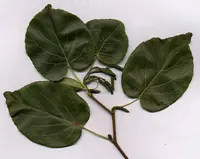
Italian alder has distinctive, glossy, heart-shaped leaves and forms root nodules with the bacterium Frankia alni, which allows it to fix atmospheric nitrogen and enrich poor soils around it.

Fast growth on poor sites

This species is unusually tolerant of compacted, low-fertility, or disturbed soils, and can reach small tree size relatively quickly, which makes it a common choice for shelterbelts, screening, and land reclamation in mild, temperate regions.

Deep but flexible rooting

Its root system tends to be deeper and less surface-dominant than many other alders, improving wind-firmness while still tolerating periodic waterlogging, a combination useful in stabilizing banks and slopes.

Botan icon

Did you know?

Alnus cordata is native only to a restricted area of southern Italy and Corsica but has been widely planted far beyond its natural range, where it often serves as a nurse tree that improves soil fertility and microclimate for slower-growing timber or native species.

FAQs about Italian Alder

This species is considered fast-growing, often adding 45–90 cm of height per year in suitable conditions. Growth is faster in deep, moist, fertile soil and slows in compacted, dry, or nutrient-poor sites.

Grow Healthy Plants with Botan Care

Keep your plants happy and healthy with plant identification, disease detection, and easy care guidance.

Botan plant care app — identify plants on mobile

Explore More Plants