Wind-hardening young trees
In the first 2–3 years, gradually expose young kahika to increasing wind by reducing temporary windbreaks over time so the trunk and roots strengthen without suffering wind snap.

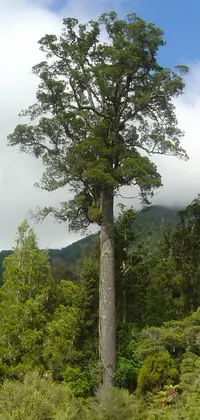
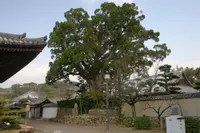
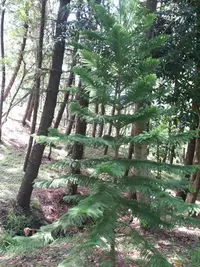
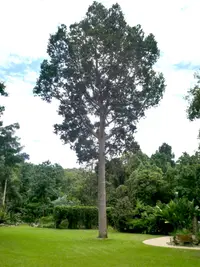
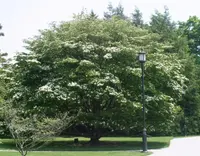
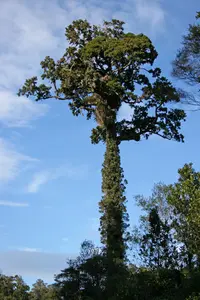
Kahika, or Dacrycarpus dacrydioides, is an evergreen coniferous tree native to wetlands and lowland forests of New Zealand. It is also known as white pine. The tree develops a tall, straight trunk with soft, feathery foliage that appears light and airy, especially on younger trees. Bark becomes thicker and more textured with age. In cultivation, kahika grows best in cool to mild climates with consistently moist, well-drained soil. It prefers full sun to light shade and does not tolerate prolonged drought. For gardeners interested in how to care for kahika, climate suitability and long-term space are the main factors to consider.

Care Difficulty
Moderate Care

Light Preference
Full Sun

Water Requirements
Regular Water

Temperature Preference
Cool Climate

Hardiness Zone
8–10

Soil Texture
Loamy, Silty, Organic-rich

Soil pH
Acidic (5.5–6.5), Slightly acidic (6.5–7.0)

Soil Drainage
Moist but well-drained

Fertilization
Minimal (feed rarely)
Scan your plant to receive care tips personalized for your specific plant
Available on iOS and Android
This New Zealand conifer prefers cool, consistently moist sites with soft, filtered light rather than harsh exposure.
This species prefers steadily moist, cool soils and does not tolerate prolonged drying.
This cool-temperate conifer grows best in mild, frost-tolerant climates without extreme heat or prolonged hard freezes.
Humidity plays a minor role for this hardy conifer but matters for young container plants, especially kahika kept sheltered.
Dacrycarpus dacrydioides prefers consistently moist, deep, well-drained soil with high organic content.
This species can be grown in containers for several years, mainly as a juvenile specimen.
This New Zealand conifer grows steadily in average soil and usually needs only modest feeding in cultivation.
Pruning Dacrycarpus dacrydioides is usually light and focused on maintaining a healthy, natural form.
This species is most often grown in the ground, so focus on careful transplanting of young trees rather than frequent repotting.
Propagation of this conifer is possible but relatively specialized and slower than many ornamental shrubs.
Mature plants are fairly cold hardy in mild to cool climates and usually need limited winter intervention.

Plant Health Check
Not sure what's wrong with your plant? Check your plant's health inside the app.
Kahikatea naturally dominates lowland swamps and floodplains in New Zealand, tolerating prolonged waterlogging that would kill many other tree species. Its shallow, wide-spreading root system is adapted to unstable, periodically flooded soils.
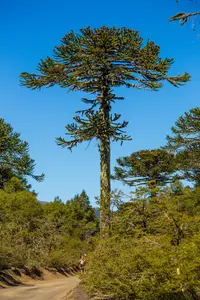
This species is New Zealand’s tallest native tree, with wild specimens often reaching 50–60 m and forming the emergent layer above the main forest canopy. Its straight, narrow trunk and small, scale-like leaves reduce wind resistance at great height.
Kahikatea produces fleshy, brightly colored receptacles around its seeds that are a key seasonal food for the native kererū (New Zealand pigeon). These birds swallow the seeds whole and disperse them over long distances, strongly influencing forest composition.

Dense stands of kahikatea were so extensive in pre-settlement New Zealand that they formed vast swamp forests, many of which were later drained and cleared, making intact old-growth kahikatea ecosystems now relatively rare and of high conservation value.
Growth is moderate in most gardens, often 20–40 cm per year once established. Rate depends on soil depth, moisture, and climate. Cooler, wind-sheltered, consistently moist sites support faster development and a straighter trunk.
Keep your plants happy and healthy with plant identification, disease detection, and easy care guidance.