Sicilian Fir Care (Abies nebrodensis)

Sicilian Fir

About Sicilian Fir

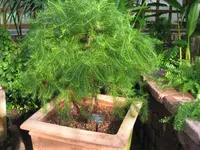
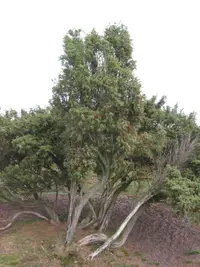
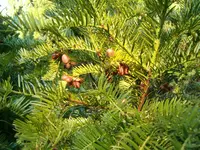
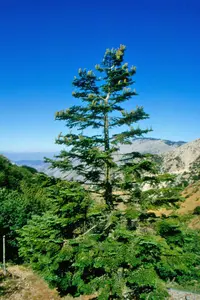
Abies nebrodensis, commonly called Sicilian fir, is a rare evergreen conifer known for its narrow, conical shape and dense, dark green needles. It is a slow-growing tree that can form a strong central trunk and a formal, architectural outline.

This species is native to the Madonie Mountains in Sicily, where it grows in cool, mountainous conditions. It is considered challenging to cultivate because it dislikes heat, drought, and pollution and needs stable, cool, moist conditions.

Gardeners who care for Sicilian Fir usually focus on providing cool summers, consistent moisture, and sharply drained, slightly acidic soil to keep roots healthy and growth steady.

Main Plant Requirements

Care Difficulty

Hard Care

Light Preference

Full Sun

Water Requirements

Moderate Water

Temperature Preference

Cold Hardy

Hardiness Zone

6–7

Soil Texture

Sandy, Loamy, Rocky

Soil pH

Strongly acidic (4.5–5.5), Acidic (5.5–6.5)

Soil Drainage

Well-drained

Fertilization

Minimal (feed rarely)

Get Personalized Care Plan

Scan your plant to receive care tips personalized for your specific plant

Available on iOS and Android

How to Care for the Sicilian Fir

This high-mountain conifer prefers cool, bright conditions with consistent direct light.

  • Provide 6–8 hours of full sun daily, ideally with direct morning to early afternoon sun and some light afternoon shade in hotter regions.
  • Young Sicilian Fir trees benefit from temporary light shade cloth or neighboring plants to prevent needle scorch in strong summer sun.
  • In deep or prolonged shade, expect sparse growth and thinner crowns; choose an open, unshaded planting site, especially in autumn and winter.

This species prefers evenly moist, cool, well-drained soil rather than frequent, shallow watering.

  • In the ground, water deeply when the top 3–5 cm of soil feels dry, then allow excess to drain fully to keep roots aerated.
  • Reduce watering in cool seasons, but never let newly planted Abies nebrodensis dry out completely during its first 1–2 years while roots establish.
  • Watch for yellowing, soft needles as a sign of overwatering and browning, brittle needles or drooping tips as signs of underwatering.

This hardy fir is adapted to cool, mountainous climates with cold winters and mild summers.

  • Optimal growth occurs around 40–70°F (4–21°C), with best vigor where summers are not hot and nights cool down consistently.
  • Mature trees tolerate down to about -10°F (-23°C) if soil drains well and roots are not waterlogged during freezes.
  • Extended heat above 85°F (29°C), especially with dry wind, can stress foliage; provide mulch and avoid heat-reflecting hardscape near the tree.

This fir tolerates a wide humidity range but prefers steady, moderately moist air outdoors.

  • Aim for 40–60% humidity; brief dips lower are tolerated without serious stress.
  • In very dry, hot wind, watch for browning needle tips and increased needle drop as humidity stress signs.
  • For young Sicilian Fir in exposed sites, use windbreaks, mulch the root zone, and avoid reflected heat to reduce drying.

Abies nebrodensis prefers cool, moist, aerated soil that drains freely yet does not dry out quickly.

  • Use a deep, loamy mix combining mineral soil, coarse sand, and well-rotted compost for structure and nutrients.
  • Ensure fast drainage by incorporating 20–30% coarse grit or fine bark to prevent waterlogging around the root zone.
  • Target slightly acidic to neutral pH around 5.5–7.0, avoiding very alkaline or compacted clay conditions.
  • On heavy sites, raise the planting area into a low mound or berm to improve aeration and lateral drainage.

This species can be grown in containers when young but demands careful moisture and stability management.

  • Choose a tall, heavy container to counteract the tree’s developing taproot and increasing top weight in windy positions.
  • Fill the pot with a deep, free-draining conifer mix and avoid shallow containers that restrict vertical root development.
  • Elevate the container on pot feet so drainage holes stay clear and excess water escapes quickly after rainfall or irrigation.

This slow-growing conifer needs minimal feeding, so use light, infrequent applications for healthy growth.

  • Apply a balanced slow-release NPK fertilizer at half strength once in early spring for young Sicilian Fir trees.
  • Avoid high-nitrogen lawn fertilizers near the root zone to prevent overly soft, frost-prone growth.
  • In nutrient-poor soils, top-dress annually with a thin layer of well-rotted compost over the root area.
  • Do not feed during winter dormancy; stop fertilizing by late summer to allow wood to harden before cold weather.

Abies nebrodensis needs only light, corrective pruning to maintain health and natural form.

  • Carry out pruning in late winter or very early spring before active growth starts.
  • Remove dead, diseased, or storm-damaged branches back to healthy wood using clean, sharp bypass pruners or a pruning saw.
  • Thin crowded interior shoots sparingly to improve airflow while preserving the central leader and overall conical shape.
  • Avoid cutting into large limbs or the main trunk, as heavy pruning can cause deformities and decay entry points.

This species is best transplanted when young, as established trees resent major root disturbance.

  • Transplant container-grown plants in early spring or early fall, before extreme heat or freezing conditions.
  • Look for roots circling the pot drainage holes or slowed top growth as cues the plant has outgrown its container.
  • Shift up only 1 pot size, teasing apart circling roots gently to reduce girdling without tearing the root ball.
  • Water thoroughly after planting, then keep soil evenly moist and sheltered from strong wind for several weeks to limit transplant shock.

Multiplying Abies nebrodensis is possible but slow, mainly through seeds under controlled conditions.

  • Collect ripe cones in late summer to early fall and extract seeds once scales open.
  • Provide cold stratification at 34–41°F for 6–8 weeks to break seed dormancy and improve germination.
  • Sow in a free-draining, slightly acidic medium, keeping it evenly moist and shaded from intense sun.
  • Use semi-hardwood cuttings only in specialist setups with mist and rooting hormones, as strike rates are low.

This cold-hardy fir usually needs little winter intervention once established in the landscape.

  • Young or newly transplanted trees benefit from 5–7 cm of organic mulch over the root zone, kept clear of the trunk.
  • In very exposed sites, use windbreak netting or burlap screens to reduce desiccating winter winds on foliage.
  • Container-grown plants are more vulnerable; move pots to a sheltered, unheated area where roots stay cold but do not freeze solid.

Care Tips

Shelter From Wind

Site young trees behind a windbreak or temporary shade cloth screen in exposed locations to reduce leader damage and desiccation, especially in the first 3–5 years.

Protect Central Leader

Stake and loosely tie the central leader with a soft tie if it bends or forks after snow, ice, or wind, so the tree maintains a single strong trunk and typical conical form.

Snow Load Management

After heavy, wet snowfall, gently brush snow downward off branches with a soft broom to prevent limb breakage, avoiding any upward or jerking motions that could snap brittle wood.

Mulch Root Zone

Apply a 5–8 cm ring of coarse organic mulch around the root zone, keeping it a few cm away from the trunk, to buffer soil temperature and moisture and support long-term Abies nebrodensis care.

Establish Mycorrhizae

When planting, incorporate a conifer‑appropriate mycorrhizal inoculant into the backfill or root zone to improve nutrient and water uptake, which can significantly help when growing Sicilian Fir in marginal soils.

Common Pests and Diseases

Bark beetles

These insects bore into trunks and branches, causing resin bleeding, small round exit holes, and progressive dieback of shoots or whole sections of the crown. This pest is a serious problem for stressed or drought-affected Sicilian firs in their native range.

Solution

Reduce tree stress by ensuring adequate but not excessive watering and avoiding mechanical damage to the trunk, then remove and destroy heavily infested branches to limit beetle populations. In high-risk areas, foresters sometimes use pheromone traps and, where regulations allow, targeted preventative trunk sprays by licensed professionals for high-value trees.

Armillaria root disease

This disease, caused by Armillaria fungi, leads to progressive decline with yellowing needles, sparse foliage, and dieback, often on poorly drained or previously forested sites. Symptoms include white fungal sheets under the bark near the base and dark rhizomorphs on roots.

Solution

Improve drainage and avoid planting Sicilian fir where Armillaria is known to be present or where old stumps and roots remain. For affected specimens, remove severely infected trees including as much root material as possible and replant only on well-drained, cleaned sites or with non-susceptible species.

Needle cast

This disease causes browning and premature shedding of needles, usually starting on inner or lower branches and moving upward, giving the tree a thinned, tufted appearance. This disease is favored by prolonged needle wetness and poor air circulation.

Solution

Prune and destroy affected lower branches to improve airflow and remove infected material, and avoid overhead irrigation that keeps foliage wet for long periods. In plantations or collections with repeated problems, correctly timed fungicide sprays labeled for fir needle cast may be used as part of integrated Abies nebrodensis care instructions.

Aphids

These insects feed on young shoots and needles, causing distortion, sticky honeydew, and sometimes sooty mold on the foliage. This pest is often more noticeable on new growth and can weaken young trees if populations are high.

Solution

Dislodge colonies with a strong stream of water and encourage natural predators such as lady beetles by avoiding broad-spectrum insecticides. For persistent infestations, use horticultural soap or light horticultural oil, ensuring thorough coverage of shoot tips and needle undersides.

Interesting Facts

Critically small wild population

This fir survives in the wild only on the north slope of the Madonie Mountains in Sicily, with a naturally occurring population that fell to just a few dozen mature trees before conservation efforts began.

Relict of a cooler past

Genetic and fossil evidence indicate it is a glacial relict, meaning it is a leftover population from cooler climatic periods when fir forests were more widespread in the Mediterranean region.

Genetic conservation priority

Because its entire natural range is confined to a small area, it is treated as a high-priority unit for conservation genetics, and wild trees are carefully monitored to preserve what remains of its original gene pool.

Botan icon

Did you know?

It was long thought to be extinct in the wild until a small group of surviving trees was rediscovered in the mid-20th century, which triggered intensive in situ and ex situ conservation programs and made it a flagship species for Mediterranean mountain forest restoration.

FAQs about Sicilian Fir

This species grows slowly, usually 10–20 cm per year in suitable conditions. Growth is slower in hot, dry, or compacted sites. Consistent moisture, cool summers, and deep, well‑drained soil support healthier, more even annual extension.

Grow Healthy Plants with Botan Care

Keep your plants happy and healthy with plant identification, disease detection, and easy care guidance.

Botan plant care app — identify plants on mobile

Explore More Plants