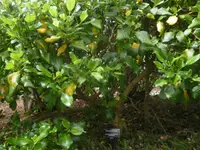
riverflat hawthorn Care (Crataegus opaca)

Also known as: mayhaw, Western Mayhaw
riverflat hawthorn

About riverflat hawthorn

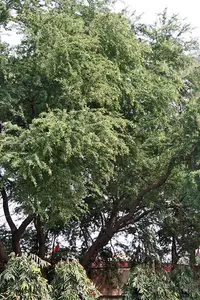
Riverflat hawthorn, Crataegus opaca, is a small deciduous tree or large shrub native to moist river bottoms and floodplains in the south-central United States. It often forms dense thickets with a rounded crown and stout thorns.

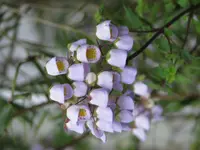
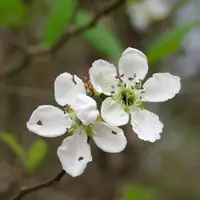
The plant produces glossy green leaves, white spring blossoms, and showy red fruit that attract birds and wildlife. Its tolerance of periodic flooding and heavy soils makes it useful for wet sites and naturalized plantings.

For those who want to care for riverflat hawthorn, its main needs are full sun, consistent soil moisture, and well-drained but fertile ground. Once established, it is generally hardy and low-maintenance in suitable climates.

Main Plant Requirements

Care Difficulty

Moderate Care

Light Preference

Full Sun

Water Requirements

Regular Water

Temperature Preference

Cold Hardy

Hardiness Zone

5–9

Soil Texture

Loamy, Clay, Silty

Soil pH

Acidic (5.5–6.5), Slightly acidic (6.5–7.0)

Soil Drainage

Moist but well-drained

Fertilization

Minimal (feed rarely)

Get Personalized Care Plan

Scan your plant to receive care tips personalized for your specific plant

Available on iOS and Android

How to Care for the riverflat hawthorn

This North American hawthorn performs best in open, bright sites that mimic its native river edges.

  • Provide full sun for 6–8 hours per day; light afternoon shade is helpful in hotter regions to reduce leaf scorch on riverflat hawthorn.
  • Tolerates partial shade (3–5 hours of direct sun), but flowering and fruiting decline and growth becomes more open and sparse.
  • In summer, prioritize morning sun with some filtered light later in the day; in winter, unobstructed sun helps ripen wood and supports better bud formation.

This species prefers consistently moist but not saturated soil, especially during establishment.

  • Allow the top 3–5 cm of soil to dry slightly between waterings, then water deeply so moisture reaches the full root zone.
  • In spring and summer, monitor rainfall; supplement only when leaves start to lose gloss or curl slightly, indicating mild drought stress in Crataegus opaca.
  • Avoid standing water; symptoms of overwatering include yellowing leaves, dieback of fine twigs, and a sour smell from poorly drained soil.

This hardy tree is adapted to warm, humid climates but tolerates a reasonable range of seasonal temperatures.

  • Active growth is strongest around 65–85°F (18–29°C); stable conditions in this range support good leaf and flower development.
  • Mature trees tolerate winter lows near 0°F (−18°C) once established, though young plants benefit from protection from severe frost and drying winds.
  • Heat tolerance is good up to about 95°F (35°C) if soil moisture is maintained; prolonged extremes above this can cause leaf scorch and early leaf drop.

Humidity is not a major factor for Crataegus opaca, which adapts well to typical outdoor air levels.

Crataegus opaca prefers moist, well-structured mineral soils that do not stay waterlogged.

  • Use a loamy or sandy-loam soil with moderate organic matter to balance moisture retention and aeration.
  • Aim for slightly acidic to neutral pH, roughly 6.0–7.0, and avoid strongly alkaline compacted subsoils.
  • In heavy clay, incorporate coarse sand and compost into the top 20–30 cm to improve structure and drainage.
  • Avoid sites where water stands after rain, since prolonged saturation increases root and collar rot risk.

This species can be grown in large outdoor containers, but long-term cultivation is challenging due to its eventual size.

  • Choose a deep, heavy container to anchor the developing woody root system and prevent wind tipping.
  • Use a sharply draining mix such as 60% loam-based soil with 40% coarse mineral material to avoid chronic wetness around roots.
  • Elevate the container slightly on feet or pavers so drainage holes remain clear and excess water exits quickly.

This native tree usually needs minimal feeding in the landscape, but light, balanced nutrition supports healthy growth when soil is poor.

  • Apply a balanced slow-release fertilizer (e.g., 8-8-8 or 10-10-10) once in early spring before new growth starts.
  • Use a low-to-moderate rate; for young trees, apply about half the label dose to avoid excessive, weak growth.
  • Supplement with a thin layer of compost over the root zone yearly to improve soil structure and microbial activity.
  • Avoid feeding riverflat hawthorn in late summer or winter, since dormant trees do not use extra nutrients effectively.

Thoughtful pruning keeps Crataegus opaca structurally sound and promotes better flowering and air flow.

  • Prune in late winter or very early spring, before bud break, to reduce bleeding and stress.
  • Remove dead, diseased, or storm-damaged branches first using clean, sharp bypass pruners or loppers.
  • Thin crossing and crowded interior shoots to open the canopy, which lowers disease risk and improves light penetration.
  • Shorten overly vigorous branches to maintain desired shape, making cuts just above outward-facing buds or side branches.

This species is usually grown in the ground, so focus on correct planting and minimal root disturbance.

  • Transplant young trees in late fall or very early spring when dormant, avoiding hot or dry periods.
  • Look for signs such as circling roots in nursery containers or poor growth as cues to step up to a slightly larger pot or planting hole.
  • Loosen or tease apart circling roots gently at planting, trimming only where necessary to encourage outward growth.
  • Set the tree at the same soil level as in the container, backfill with native soil, water deeply, and mulch to reduce transplant shock.

Crataegus opaca is usually raised from seed, which requires patience and specific conditions to germinate.

  • Collect ripe fruits in fall, clean away pulp, and sow seeds in a well-drained, gritty seed mix.
  • Provide cold stratification by keeping moist seeds at about 35–40°F for several months to break dormancy.
  • Keep seed trays outdoors in a protected spot, allowing natural temperature cycles; germination may take 1–2 years.
  • Semi-ripe cuttings in mid to late summer can root in high humidity and bottom warmth, but success rates are often low.

Established trees are quite cold hardy and generally need little special winter care in typical climates within their range.

  • Apply a 5–8 cm mulch layer around the root zone in late fall, keeping it a few cm away from the trunk to prevent rot.
  • Young or newly planted trees benefit from mulch rings and consistent soil moisture going into winter to reduce freeze–thaw stress.
  • Container-grown specimens in colder regions can be moved to an unheated garage or sheltered area to prevent root freezing.

Care Tips

Windward staking

In the first 2–3 years, install a single sturdy stake on the prevailing-wind side and use a loose, flexible tie at 2 points to keep the young trunk upright without rubbing bark.

Trunk borer checks

From late spring to midsummer, inspect the lower trunk monthly for small holes, sawdust-like frass, or sap ooze, and promptly prune out and destroy any visibly infested twigs before borers spread.

Crown lift shaping

During dormant season, gradually remove the lowest crossing or crowded branches over several years to raise the canopy for easier mowing access and better air flow through the crown.

Leaf litter sanitation

In autumn, rake up and remove fallen leaves and mummified fruits from under the tree to reduce overwintering fungal spores and insect pests that commonly affect hawthorns.

Wildlife-friendly spacing

When planting multiple trees, space them 4–6 m apart to form a loose thicket that supports birds and pollinators while still allowing enough air movement for healthier canopies when growing riverflat hawthorn.

Common Pests and Diseases

Cedar-apple rust

This disease produces bright orange or rust-colored spots on leaves and sometimes lesions on fruit, and can cause early leaf drop on riverflat hawthorn growing near junipers or eastern redcedar.

Solution

Prune out and destroy infected leaves and twigs, increase airflow through the canopy with selective thinning, and avoid planting near juniper or redcedar hosts; where disease pressure is high, apply a labeled myclobutanil or propiconazole fungicide at bud break and repeat according to label during wet spring periods.

Fire blight

This disease causes sudden blackening and wilting of blossoms and shoots that often bend into a characteristic shepherd’s crook and can progress into larger branches if not managed quickly.

Solution

Prune 20–30 cm below visible symptoms during dry weather, disinfecting tools between cuts, remove and discard all infected material, avoid high-nitrogen fertilization that drives soft new growth, and in high-risk areas consider a labeled copper or antibiotic blossom spray timed to bloom according to local extension guidance.

Hawthorn leaf spot

Symptoms include small purple to brown spots on leaves that may enlarge and cause yellowing and premature leaf drop, especially in humid, wet seasons.

Solution

Rake and remove fallen leaves to reduce spore sources, thin the canopy to improve light and air penetration, irrigate at soil level instead of overhead, and in severe recurring cases use a preventive fungicide labeled for hawthorn leaf spots starting at leaf emergence in spring.

Hawthorn lace bug

These insects feed on the undersides of leaves, causing pale stippling, yellowing, and a dirty appearance from dark droppings, which can weaken the tree under heavy infestations.

Solution

Spray the leaf undersides with a strong stream of water to dislodge nymphs, encourage natural predators by avoiding broad-spectrum insecticides, and if needed use a horticultural oil or insecticidal soap thoroughly applied to the undersides of leaves in late spring when nymphs first appear.

Hawthorn leafminers

This pest creates winding or blotchy pale tunnels inside leaves as larvae feed between leaf surfaces, which can lead to a scorched appearance when many leaves are affected.

Solution

Pick off and destroy mined leaves early in the season to reduce the next generation, keep the tree otherwise healthy with proper watering and mulching, and where damage is consistently severe use a systemic insecticide labeled for leafminers applied at bud break according to label directions for Crataegus opaca care.

Interesting Facts

Native wetland specialist

This species is naturally found in floodplains, riverbanks, and seasonally inundated bottomlands of the south-central United States, tolerating periodic flooding better than many other hawthorns.

Soft, edible pomes

Its fruit are relatively large, soft, and mealy for a hawthorn, with a sweet, mild flavor that local wildlife and people sometimes eat fresh or use in simple preserves.

Important wildlife resource

Dense, thorny branches provide nesting and protective cover for small birds, while the flowers support pollinators and the late-season fruit feeds many bird and small mammal species in riparian habitats.

Botan icon

Did you know?

This species often forms small, multi-stemmed thickets along rivers that can act as natural erosion control, helping stabilize alluvial soils in dynamic floodplain systems.

FAQs about riverflat hawthorn

This species grows at a moderate rate, typically adding about 30–60 cm per year under good conditions. Growth is faster in deep, moist, alluvial soil and full light, and slower in compacted, dry, or nutrient-poor sites.

Grow Healthy Plants with Botan Care

Keep your plants happy and healthy with plant identification, disease detection, and easy care guidance.

Botan plant care app — identify plants on mobile

Explore More Plants