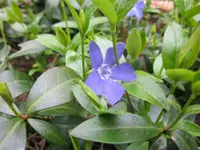
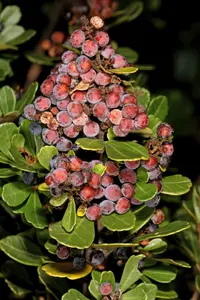
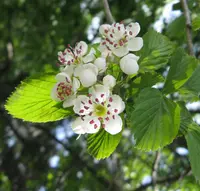
California blackberry Care (Rubus ursinus)

Also known as: trailing blackberry, California dewberry, Douglas-berry, Pacific blackberry, Pacific dewberry, Pacific trailing blackberry, Pacific Coast blackberry
California blackberry

About California blackberry

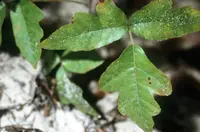
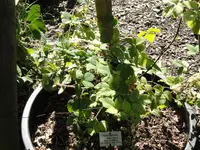
California blackberry (Rubus ursinus) is a sprawling, deciduous bramble native to the West Coast of North America. It naturally occurs in open woods, stream banks, and disturbed areas.

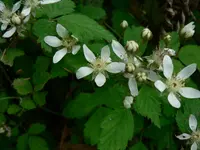
The plant forms arching or trailing canes with small white to pale pink flowers followed by dark, sweet berries. Stems are armed with sharp prickles, so placement and handling need some care.

This species is generally vigorous and resilient, which makes it relatively easy to establish in suitable climates. It prefers sun to light shade, moist but well-drained soil, and benefits from some support or space to spread. Basic knowledge of how to care for California blackberry helps control its growth and maintain good fruiting.

Main Plant Requirements

Care Difficulty

Moderate Care

Light Preference

Full Sun

Water Requirements

Moderate Water

Temperature Preference

Cold Hardy

Hardiness Zone

6–9

Soil Texture

Sandy, Loamy, Organic-rich

Soil pH

Acidic (5.5–6.5), Slightly acidic (6.5–7.0)

Soil Drainage

Moist but well-drained

Fertilization

Minimal (feed rarely)

Get Personalized Care Plan

Scan your plant to receive care tips personalized for your specific plant

Available on iOS and Android

How to Care for the California blackberry

This trailing bramble thrives in cool sun with some daily shade, especially in warmer regions.

  • Provide 4–6 hours of direct sun, ideally morning sun with light afternoon shade, to balance flowering and fruiting with leaf health.
  • In hot, inland areas, give filtered light or dappled shade after 12–2 p.m. to reduce leaf scorch and moisture stress for California blackberry.
  • If canes grow long, pale, and produce few flowers, increase sun exposure; if leaves crisp or bronze at edges, add shade or mulch to protect roots.

Rubus ursinus prefers evenly moist, well-drained soil, especially during establishment and fruiting.

  • Water when the top 3–5 cm of soil feels dry, applying a deep soak so moisture reaches 15–20 cm, then allow excess to drain away.
  • In spring and summer, check moisture 2–3 times per week in sandy or sloped sites; reduce watering in fall and winter, especially in rainy climates.
  • Watch for wilted, dull leaves and dry soil as signs of underwatering; yellowing, soft canes or sour-smelling, soggy soil indicate overwatering and poor drainage.

This species is adapted to mild, temperate climates with cool winters and moderate summers.

  • Active growth and fruiting occur best around 60–80°F (16–27°C), with cooler nights supporting strong canes and flower bud development.
  • Established plants tolerate down to about 10–15°F (-12 to -9°C); snow cover or mulch helps protect crowns and roots in colder snaps.
  • During heat above 90°F (32°C), expect stress; provide extra mulch and soil moisture, and use afternoon shade to limit cane scorching and fruit shrivel.

This species handles a wide humidity range but grows best in moderately moist air.

  • Target 40–60% humidity, similar to typical outdoor conditions in mild coastal or temperate areas.
  • California blackberry tolerates drier air if soil moisture is steady, but extended hot, dry winds can desiccate new shoots.
  • Wilting, crisp leaf edges, and stalled new growth during dry, hot spells signal humidity stress; use mulch and wind protection to buffer moisture loss.

Rubus ursinus prefers loose, moist, well‑drained ground that never stays waterlogged.

  • Use a loamy, organic‑rich soil that blends garden loam with compost for structure and sustained nutrients.
  • Ensure drainage by avoiding heavy, compacted clay; amend dense soils with coarse sand or fine gravel plus compost to improve both aeration and percolation.
  • Aim for slightly acidic to neutral pH around 5.5–7.0, avoiding strongly alkaline or saline sites that limit nutrient uptake.
  • Do not plant in low spots where water collects or in thin, stony subsoil that dries out rapidly and restricts root spread.

This species can be grown in containers if the pot allows extensive root spread and trailing growth.

  • Choose a wide, at least 30–40 cm deep container to accommodate long, spreading roots and reduce rapid drying.
  • Select a heavy, stable pot material, such as thick terracotta or concrete, to prevent tipping from arching canes or support structures.
  • Provide a sturdy rim or anchored trellis at the container edge so trailing canes can be tied and directed without pulling the pot off balance.

Rubus ursinus benefits from modest feeding but often thrives in reasonably fertile garden soil.

  • Apply a thin layer of compost or well-rotted manure around plants in early spring to support strong cane and fruit development.
  • Use a balanced slow-release fertilizer (such as 10-10-10) at low label rates once in spring for caring for California blackberry.
  • Avoid summer overfeeding, which promotes excessive leafy growth at the expense of fruiting and can increase disease susceptibility.
  • Do not fertilize during winter dormancy; stop feeding by late summer so new growth hardens before cold weather.

Thoughtful pruning keeps Rubus ursinus productive, manageable, and healthy.

  • Prune in late winter or very early spring before new growth to clearly see cane structure.
  • Remove dead, damaged, or diseased canes at ground level using sharp, clean bypass pruners or loppers.
  • Cut out older, spent fruiting canes after harvest to stimulate new primocane growth and better flowering next season.
  • Thin crowded canes along the row or support to improve air flow, light penetration, and fruit quality.

This species is usually grown in the ground, so focus on careful transplanting rather than frequent repotting.

  • Transplant young plants in late fall or early spring when soil is workable and temperatures are mild.
  • Move or up-pot only when roots circle the container, growth slows, or soil dries extremely fast between waterings.
  • Prepare a wide planting hole with well-drained, organic-rich soil and set crowns at the same depth as before.
  • Water thoroughly after transplanting, then keep soil evenly moist and shade new transplants from intense sun for 1–2 weeks to reduce stress.

Rubus ursinus is commonly propagated vegetatively to maintain desirable fruiting traits.

  • Use tip layering in late summer by pinning cane tips into moist soil; roots form in several weeks, then detach and plant.
  • Take semi-ripe stem cuttings in late spring to early summer, place in a free-draining medium, and keep humid until rooted.
  • Divide established clumps in early spring or fall, ensuring each division has healthy roots and at least 1–2 strong buds.
  • Sow seeds from ripe fruit after cold stratification, noting that seedlings vary and may not match the parent plant.

This blackberry is generally cold hardy and needs minimal winter care in most temperate gardens.

  • Mulch the root zone with 5–8 cm of straw, leaves, or compost in late fall to buffer freeze–thaw cycles.
  • In colder regions, tie canes to supports to prevent wind damage and snow breakage.
  • For container-grown plants in very cold areas, move pots into an unheated garage or against a sheltered wall to avoid root freezing.

Care Tips

Train New Canes

Install a strong trellis or wire system and tie in first-year canes horizontally or in gentle arches to increase flowering and make harvesting easier the following year.

Rotate Fruiting Canes

After harvest, remove spent second-year canes at ground level and immediately select and mark the strongest new primocanes to keep, which maintains airflow and consistent yields year to year.

Mulch For Root Zone

Apply a 5–8 cm layer of coarse organic mulch over the root area, keeping it a few cm away from the crown, to moderate soil temperature, reduce weed competition, and protect shallow roots from disturbance.

Weed-Safe Edge Strip

Maintain a weed-free strip at least 30–45 cm wide along the row using shallow hand cultivation or an appropriate mulch so the shallow feeder roots are not damaged by deep hoeing or aggressive tools.

Monitor Cane Borers

Check canes in late spring and summer for wilting tips or swellings, then prune out affected sections 5–8 cm below the damage and remove them from the site to limit cane borer spread when growing California blackberry.

Common Pests and Diseases

Cane blight

This disease causes dark, sunken lesions on canes that may crack, wilt, and die back from the tips, often after pruning or mechanical injury. Symptoms include poor shoot growth and reduced berry production on affected canes.

Solution

Prune out and destroy infected canes back to healthy tissue during dry weather, disinfecting tools between cuts. Avoid injuring canes, make pruning cuts above healthy buds, improve air circulation by proper spacing and training, and in high-pressure areas consider using a labeled copper or lime sulfur spray during dormancy as part of Rubus ursinus care instructions.

Anthracnose

This disease produces small, purplish spots on young canes that expand into gray centers with raised, dark margins, and leaves may show shot-hole lesions. Symptoms include weak growth, poor vigor, and reduced fruit quality.

Solution

Remove and destroy heavily infected canes and any prunings after harvest to reduce inoculum. Promote fast drying of foliage by proper spacing, keeping rows weed-free, avoiding overhead irrigation when possible, and in recurrent cases use a labeled fungicide timed to early shoot growth and pre-bloom according to local extension guidance.

Botrytis fruit rot

This disease affects flowers and ripening berries, which develop soft, brown areas that quickly become covered with gray, fuzzy mold, especially in cool, wet weather. Symptoms include berries that collapse and remain mummified on the plant.

Solution

Harvest fruit frequently, remove and discard overripe or moldy berries, and avoid splashing water onto flowers and fruit. Improve airflow by thinning canes, managing weeds, and in wet climates use a labeled bloom-time fungicide if botrytis has been a recurring problem.

Raspberry crown borer

This pest lives as larvae in the lower canes and crown, tunneling inside and causing wilting, weak growth, and eventual cane death, often with sawdust-like frass at the base. Symptoms include stunted plants that break or collapse near ground level.

Solution

Inspect plants for wilting canes and remove and destroy any with borer galleries, including the crown if heavily infested. Maintain vigorous plants, remove wild Rubus hosts nearby, use pheromone traps or degree-day models where available, and apply a labeled systemic or trunk-directed insecticide in late summer or fall when recommended by local extension services.

Redberry mite

These microscopic mites feed on developing fruit, causing drupelets to remain hard and bright red while others ripen normally, resulting in unevenly colored, off-flavor berries. Symptoms include clusters with some drupelets that never soften or sweeten.

Solution

Remove and destroy affected fruit to reduce mite populations and prevent carryover. During dormancy or early spring, apply a labeled horticultural oil or sulfur product according to local recommendations, and maintain good sanitation by clearing old fruiting canes and debris after harvest.

Interesting Facts

Native Pacific bramble

This species is native to the Pacific coast of North America, from British Columbia to California, and is a key understory shrub in coastal forests, woodland edges, and riparian areas where it stabilizes soil and provides dense cover for wildlife.

Complex hybrid parent

Rubus ursinus is a wild parent of the cultivated boysenberry, formed historically by crossing it with other Rubus species, which contributes to the boysenberry’s flavor and vigor.

Dioecious flowering habit

Many populations of this species are functionally dioecious, meaning male and female flowers occur on separate plants, so cross-pollination by bees and other insects is important for good fruit set.

Botan icon

Did you know?

Rubus ursinus produces some of the smallest seeds among North American blackberry relatives, which pass through the digestive systems of birds and mammals and are then deposited in new locations, making this plant an especially effective colonizer of disturbed coastal habitats.

FAQs about California blackberry

This species spreads vigorously by arching canes and underground runners. In favorable conditions it can form dense thickets, so gardeners often use edging, mowing, or barriers to keep it within a defined area.

Grow Healthy Plants with Botan Care

Keep your plants happy and healthy with plant identification, disease detection, and easy care guidance.

Botan plant care app — identify plants on mobile

Explore More Plants