eastern poison oak Care (Toxicodendron pubescens)

Also known as: poison-oak, eastern poison oak, pizen-oak
eastern poison oak

About eastern poison oak

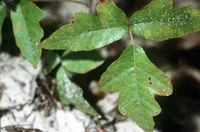
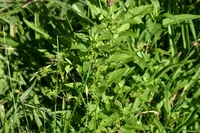
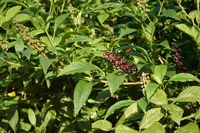
Eastern poison oak, Toxicodendron pubescens, is a woody shrub or small vine known for its three-parted leaves that resemble oak foliage. It often forms dense thickets in sunny, dry, or sandy habitats.

This species is native to the southeastern United States, where it grows along forest edges, clearings, and disturbed sites. It is well adapted to poor soils and can spread aggressively through both seeds and underground stems.

The plant is resilient and tolerant of heat, drought, and a range of soil types, which makes it easy to establish but hard to control. Anyone planning to care for eastern poison oak must understand its strong skin-irritating properties and handle it with extreme caution.


Main Plant Requirements

Care Difficulty

Easy Care

Light Preference

Partial Sun

Water Requirements

Moderate Water

Temperature Preference

Cold Hardy

Hardiness Zone

5–9

Soil Texture

Sandy, Loamy, Rocky

Soil pH

Acidic (5.5–6.5), Slightly acidic (6.5–7.0)

Soil Drainage

Well-drained

Fertilization

Minimal (feed rarely)

Get Personalized Care Plan

Scan your plant to receive care tips personalized for your specific plant

Available on iOS and Android

How to Care for the eastern poison oak

This sun-loving shrub thrives in open, bright sites typical of its native habitats.

  • Provide 6–8 hours of direct sun daily; morning sun with light afternoon shade reduces leaf scorch on exposed sites.
  • It tolerates light or dappled shade, but eastern poison oak may grow more sparsely and develop fewer leaves in less than 4 hours of sun.
  • In summer, avoid reflected heat from pavement or walls that can overheat foliage, and consider slightly more shade in hotter southern climates.

This species prefers soil that dries slightly between natural rainfall events.

  • In the ground, allow the top 3–5 cm of soil to dry before any supplemental watering, then soak the root zone deeply and infrequently.
  • During the first growing season, watch for wilting or dull, folding leaves as a sign to water; established plants usually rely mainly on rainfall.
  • Use freely draining soil; persistent puddling, sour odor, or blackening stems indicate overwatering, while crisp, bronzed leaf edges suggest chronic drought stress.

This plant is adapted to temperate climates with distinct winters and warm summers.

  • Active growth is strongest around 70–85°F (21–29°C), with adequate warmth needed in spring for vigorous leaf-out and stem extension.
  • Mature plants tolerate winter lows near 0°F (−18°C) once established, but young plants benefit from protection from sudden hard freezes.
  • Heat tolerance is good up to about 95°F (35°C) if soil moisture is not extremely low; prolonged heat plus drought can cause leaf drop, especially on exposed slopes.

This species tolerates a wide humidity range and usually needs no special humidity management outdoors.

  • Target 30–70% air humidity, which covers most outdoor conditions in eastern poison oak habitats.
  • Dry air rarely harms the plant; prioritize light and soil drainage before adjusting humidity.
  • Only in extremely arid, windy sites may foliage brown at edges, where windbreaks and ground mulching reduce desiccation.

Toxicodendron pubescens prefers light, well-drained mineral soils rather than dense, rich substrates.

  • Use sandy or sandy-loam soil with moderate organic matter so roots anchor well but water drains quickly.
  • Aim for slightly acidic to neutral pH around 5.5–7.0, similar to many woodland and scrub habitats.
  • Blend native soil with coarse sand and a small amount of compost to improve structure without making it waterlogged.
  • Avoid heavy clay, peat-heavy mixes, or low-lying spots where water lingers, since poor aeration encourages root decline.

This species is generally unsuitable for container growing except in controlled research or restoration settings.

  • If containment is absolutely required, select a wide, heavy pot to limit spread and resist tipping from lateral growth.
  • Use a deep, sharply draining substrate so roots do not sit in stagnant moisture despite irrigation or rainfall.
  • Position the container where accidental contact is minimized, treating it as a controlled hazard rather than an ornamental feature.

This native shrub generally thrives in poor soils and needs little to no fertilizer.

Pruning Toxicodendron pubescens is mainly done for safety, access, and containment rather than plant health.

  • Plan any work for late winter or very early spring, before new growth starts and while visibility is higher.
  • Cut back only necessary stems, focusing on those invading paths, structures, or desirable vegetation.
  • Use sharp loppers or a pruning saw, making clean cuts close to the base without shredding bark.
  • Avoid shredding or chipping cut material; bag it carefully and dispose of it according to local guidelines.

This species is almost always grown in ground, so transplanting is more relevant than repotting.

  • Move plants only when necessary, for example if encroaching on high-traffic areas or restoration sites.
  • Plan transplants for late fall or very early spring, when the plant is dormant and soil is workable.
  • Water the area in advance, then dig widely to lift a generous root ball with minimal disturbance.
  • Replant at the same depth in well-drained soil, firm gently, and irrigate deeply once to settle roots.

Deliberate propagation of Toxicodendron pubescens is rarely recommended because of significant skin-irritant risks.

This deciduous shrub is cold hardy in much of its native range and generally needs no special winter care.

Care Tips

Dedicated handling gear

Assign a specific pair of gloves, long sleeves, and pruners for this plant only, label them clearly, and rinse tools with soapy water after use to reduce the risk of urushiol transfer to other plants or surfaces when caring for eastern poison oak.

Containment barrier edging

Install a physical root and shoot barrier 20–30 cm deep around the planting zone to limit underground spread and make it easier to monitor and control unwanted suckers in surrounding beds or naturalized areas.

Controlled thicket management

Once plants are established, thin out older stems at ground level every 2–3 years during dormancy to maintain an open, manageable thicket structure that is easier to inspect and access safely.

Seasonal visibility marking

Mark the plant footprint with discreet flags or stakes in late fall so that the location remains visible in winter and early spring when stems are bare and less noticeable, reducing accidental contact during other garden work.

Dedicated disposal protocol

Bag all trimmings in heavy-duty plastic and dispose of them with household trash rather than composting or burning, since composting does not reliably destroy urushiol and smoke from burning material is hazardous.

Common Pests and Diseases

Anthracnose

This disease causes irregular tan to dark brown lesions on leaflets and can lead to early leaf drop in humid spring weather.

Solution

Remove and dispose of heavily spotted or fallen leaves to reduce spore spread, and avoid overhead irrigation to keep foliage as dry as possible; in high-value plantings, a copper-based fungicide applied at bud break and repeated during wet periods can help protect new growth.

Leaf rust

This disease produces small yellow to orange pustules on the undersides of leaves, sometimes leading to yellowing and premature defoliation by late summer.

Solution

Rake and destroy infected leaves at the end of the season to break the disease cycle, and improve air circulation around the plant; in sites where rust recurs and the plant must be preserved, a labeled systemic fungicide can be applied early in the season according to local extension guidance.

Leaf spot fungi

Symptoms include scattered brown to purplish round or irregular spots on leaves, often with pale centers and dark margins, which may coalesce in wet years.

Solution

Prune to open dense thickets so foliage dries faster after rain, avoid wetting the foliage when watering, and remove the worst-affected leaves; for persistent problems in managed landscapes, seasonal use of a broad-spectrum foliar fungicide at the first sign of spotting can limit further spread.

Scale insects

These insects appear as small, fixed bumps on stems and twigs and may cause localized yellowing, reduced vigor, and sticky honeydew that can lead to sooty mold on nearby vegetation or structures.

Solution

Prune and discard heavily infested stems, then treat remaining branches with a horticultural oil spray during the dormant or crawler stage to suffocate scales; in light infestations, gently scrubbing stems with a soft brush and soapy water can remove many insects mechanically.

Leaf-feeding caterpillars

This pest group includes several moth and butterfly larvae that chew irregular holes or skeletonize leaflets, occasionally defoliating young plants in outbreak years.

Solution

Hand-pick and dispose of visible caterpillars on reachable plants and encourage natural predators by minimizing broad-spectrum insecticides; if defoliation is extensive and control is necessary, a targeted Bacillus thuringiensis (Bt) product applied to actively feeding larvae is usually effective and relatively selective.

Interesting Facts

Southeastern coastal specialist

This shrub is native almost exclusively to the sandy, well-drained soils of the southeastern and mid-Atlantic Coastal Plain in the US, where it often dominates dry, open pine woodlands and old fields.

Leaf hair adaptation

Its leaves and young stems are softly hairy (pubescent), a trait that likely helps reduce water loss and provides some protection from herbivores and intense sun in its dry, exposed habitats.

Variable leaf shapes

Although the leaves always appear in clusters of three leaflets, the leaflet edges can vary from nearly smooth to distinctly lobed or toothed, which often leads to confusion with other shrubs and vines in overlapping ranges.

Botan icon

Did you know?

Unlike its close relative eastern poison ivy, which can grow as a climbing vine, this species remains a low, bushy shrub rarely exceeding about 1 m in height, forming dense thickets that can significantly shape the structure of understory plant communities in dry pine–oak ecosystems.

FAQs about eastern poison oak

This species spreads steadily by seeds and underground rhizomes. Birds disperse the berries, helping new colonies appear far from the original plant. In favorable conditions it can form dense thickets that are difficult to remove safely.

Grow Healthy Plants with Botan Care

Keep your plants happy and healthy with plant identification, disease detection, and easy care guidance.

Botan plant care app — identify plants on mobile

Explore More Plants